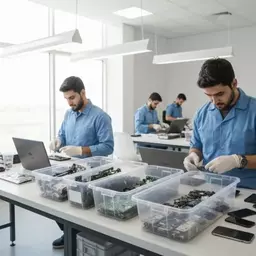
Have you ever wondered about the hidden costs of your latest gadget upgrade? The rise of electronic waste in the UAE poses significant environmental challenges, making it essential to understand responsible disposal practices.
What You Will Learn
- E-waste generation is increasing rapidly in high-income countries, particularly in the UAE due to consumer demand for the latest electronics.
- Effective e-waste management promotes a circular economy, reducing environmental pollution and conserving natural resources.
- Improper disposal of e-waste can lead to soil and water contamination, posing health risks to communities and wildlife.
- Stakeholders, including individuals, businesses, and governments, play a crucial role in promoting sustainable practices for e-waste disposal.
- Community education and participation in recycling initiatives are key strategies for improving disposal behaviors and fostering sustainability.
The E-Waste Cycle in the UAE: A Stakeholder Overview
Understanding the journey of e-waste from disposal to a sustainable future involves several key players. This visual highlights the crucial roles individuals, businesses, governments, and NGOs play in promoting a circular economy.
Individuals: Responsible Disposal
Proper disposal of e-waste at designated recycling points to reduce environmental harm.
Businesses: Sustainable Practices
Implementing eco-design, ensuring compliance, and partnering with recycling facilities.
Governments: Policy & Regulation
Creating and enforcing policies to promote effective e-waste management.
NGOs: Awareness & Education
Raising public awareness and educating communities on the importance of recycling.
Understanding E-Waste: The Landscape in the UAE
The trend of electronic waste, commonly known as e-waste, is rapidly escalating in high-income countries, including the UAE. With the swift advancement of technology, many households and businesses find themselves frequently upgrading their devices. Unfortunately, this results in a growing mountain of discarded electronics. Have you ever wondered what happens to that old smartphone or tablet when it's no longer in use? Understanding e-waste is crucial for effective management and recycling practices.

In fact, the UAE has become one of the global leaders in e-waste generation, largely due to its affluent population and high consumption rates of electronic devices. This is a significant challenge, as highlighted in reports such as the Regional E-waste Monitor: Arab States 2021, which details the scale of e-waste generation in the region. We need to recognize that responsible disposal of these materials is not just a personal responsibility but a collective one!
The Rise of E-Waste in High-Income Countries
As noted, high-income countries are witnessing significant increases in e-waste. The primary drivers include rapid technological advancements, consumer demand for newer gadgets, and a culture of disposability. In the UAE, with a focus on modernization and innovation, this trend is even more pronounced. According to analysis by MarkNtel Advisors, the e-waste management market in the UAE is expected to grow, underscoring the urgent need for robust solutions. Here are some contributing factors:
- Frequent upgrades to smartphones and computers.
- Increased reliance on electronic appliances in homes.
- A thriving market for new technologies.
While technology enhances our lives, it's essential to consider the environmental consequences of our e-waste footprint. This brings us to the importance of effective e-waste management, particularly in promoting sustainability.
Why E-Waste Management Matters for Sustainable Development
Effective e-waste management is a cornerstone of sustainable development. It not only helps reduce environmental pollution but also promotes a circular economy, where materials are reused and recycled rather than discarded. Through initiatives like EcoScrap UAE, we aim to educate the community on the significance of recycling e-waste responsibly. Here’s why this is crucial:
- Reduces harmful pollutants released into the environment.
- Conserves valuable natural resources by recycling metals and plastics.
- Creates job opportunities in sustainable industries.
By fostering awareness around e-waste management, we can significantly impact our community. Everyone has a role to play, and understanding the importance of proper disposal is the first step!
The Environmental Impact of E-Waste in the UAE
The environmental consequences of improperly disposed e-waste are alarming. In the UAE, electronic devices often end up in landfills, releasing toxic substances that pose serious health risks to both people and wildlife. To combat this, we need to focus on eco-friendly disposal methods and drive initiatives that promote responsible recycling. As reported by The National News, the growing problem of e-waste can only be addressed through greater awareness and recycling efforts in the UAE. Here are some key environmental impacts:
- Soil contamination from hazardous materials.
- Water pollution through runoff from landfills.
- Air pollution from incineration of e-waste.
As a passionate advocate for recycling, I believe that every action counts. By choosing to recycle e-waste through facilities like EcoScrap UAE, we contribute to a cleaner and healthier environment. Together, we can work towards a sustainable future for the UAE!
Pro Tip
Did you know? Recycling just one million mobile phones can recover over 24,000 pounds of gold, 35,000 pounds of copper, and 770 pounds of silver? By making conscious decisions to recycle your old electronics, you not only contribute to reducing e-waste but also play a vital role in conserving valuable resources. Remember, every device counts!
Frequently Asked Questions About E-Waste in the UAE
Summarizing the Importance of E-Waste Management in the UAE
E-waste management is crucial for creating a sustainable future in the UAE. As we embrace technology, the volume of electronic waste continues to rise, making it essential to manage it effectively. By understanding the implications of e-waste, we can foster a culture of responsible disposal, protecting our environment and resources for future generations.
The role of various stakeholders—including individuals, businesses, and governments—cannot be overstated. Each plays a pivotal role in promoting circular economy practices that are essential for sustainable development.
The Role of Stakeholders in Promoting Circular Economy Practices
In the context of e-waste management, stakeholders come together to build a more sustainable ecosystem. Here’s how different groups contribute:
- Individuals: Responsible for proper disposal of e-waste at designated recycling points.
- Businesses: Implementing sustainable practices and ensuring compliance with regulations.
- Governments: Creating policies and regulations that promote effective e-waste management.
- NGOs: Raising awareness and educating the public on the importance of recycling.
When stakeholders collaborate, they can amplify their efforts, making significant strides toward a healthier environment. At EcoScrap UAE, we’re dedicated to being a trusted partner in this journey, ensuring that every piece of e-waste is handled responsibly.

Creating a Sustainable Future through Improved Disposal Behaviors
Improving disposal behaviors is a collective effort that requires awareness and education. When individuals understand the impact of their actions, they are more likely to engage in responsible recycling practices. Here are a few strategies to enhance disposal behaviors:
- Educating the community about the harmful effects of improper e-waste disposal.
- Encouraging participation in local recycling programs and initiatives.
- Promoting the benefits of donating or selling working electronics instead of discarding them.
At EcoScrap UAE, we believe that every small action contributes to a larger movement. Together, we can empower our community to make informed decisions about e-waste disposal, paving the way for a greener future.
Corporate Social Responsibility and Its Importance in E-Waste Management
Corporate social responsibility (CSR) is instrumental in shaping how businesses approach e-waste management. Companies that prioritize CSR are not just fulfilling legal obligations; they are also demonstrating their commitment to sustainable practices. Key aspects of CSR in e-waste management include:
- Reducing e-waste through eco-design and sustainable product development.
- Partnering with recycling facilities like EcoScrap UAE to ensure proper disposal.
- Investing in community education about responsible e-waste practices.
When businesses actively engage in CSR, they foster trust and loyalty among their customers. This not only enhances their brand image but also contributes to a collective effort in reducing e-waste, thereby supporting the circular economy.
Recap of Key Points
Here is a quick recap of the important points discussed in the article:
- The UAE is a global leader in e-waste generation due to rapid technological advancements and high consumption rates.
- Effective e-waste management is essential for reducing environmental pollution and promoting a circular economy.
- Improper disposal of e-waste can lead to severe environmental consequences, including soil and water pollution.
- Stakeholders, including individuals, businesses, and governments, play a crucial role in promoting responsible disposal practices.
- Community education and participation in recycling initiatives are vital for improving disposal behaviors and fostering sustainability.