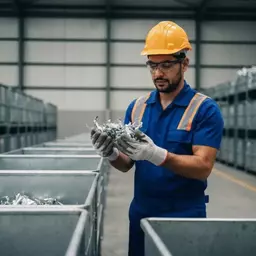
As we grapple with the burgeoning challenge of plastic waste in the UAE, it's vital to recognize our role in shaping a sustainable future. The alarming statistics around waste generation demand our attention and action. How can we each contribute to a greener environment? Here are the key insights you can take away.
What You Will Learn
- The UAE has one of the highest per capita rates of plastic waste generation globally.
- A small percentage of plastic waste is recycled, with most ending up in landfills or oceans.
- Current government initiatives like UAE Vision 2021 aim for sustainable development and responsible waste management.
- Incorporating Extended Producer Responsibility (EPR) can significantly enhance recycling efforts and reduce plastic waste.
- Community engagement and public awareness campaigns are essential for fostering a culture of recycling.
Key Insights into UAE Waste Management
Delving into the challenges and policies shaping the UAE's approach to waste, particularly plastic, reveals significant opportunities for sustainable change.
Understanding the Importance of Waste Management in the UAE
As an environmental advocate with a passion for sustainability, I often reflect on how crucial waste management is in the UAE. With rapid urbanization and population growth, the challenge of managing waste, especially plastic, has become more pressing than ever. Understanding the importance of effective waste management practices is not just about keeping our cities clean; it’s about ensuring a sustainable future for the generations to come.
Every piece of plastic we use contributes to a larger issue. Have you noticed how plastic waste has permeated our landscapes? According to recent studies, the UAE produces significant amounts of plastic waste annually, leading to environmental degradation and health hazards. It’s imperative that we acknowledge these challenges and work collectively towards innovative solutions.
The Growing Challenge of Plastic Waste in the UAE
The statistics around plastic waste in the UAE can be staggering! The country generates a considerable volume of plastic waste, with a significant portion ending up in landfills or, worse, in our oceans. It’s not just an eyesore; it poses serious risks to wildlife and our ecosystem. Imagine marine animals mistaking plastic for food—it’s a dire situation that we must address!
- UAE's plastic waste generation is among the highest per capita globally.
- Only a fraction of plastic waste is recycled, leaving a vast amount to accumulate.
- Environmental impacts include pollution, harm to marine life, and increased carbon emissions.
As the founder of EcoScrap UAE, I’ve seen firsthand the impact of our collective actions. By advocating for responsible plastic disposal and recycling, we can turn this challenge into an opportunity for change. Together, we can promote practices that not only reduce waste but also support local communities.

Current Waste Management Policies and Goals in the UAE
The UAE government takes waste management seriously, implementing various policies to tackle these challenges. The UAE Vision 2021 and Net Zero 2050 initiatives emphasize sustainable development and responsible waste management practices. These goals reflect a commitment to fostering a greener and cleaner environment for our children.
To achieve these ambitious targets, the UAE is enhancing its waste management systems through education, technology, and community involvement. For example, the Dubai Municipality launched an initiative to collect and recycle 3 million plastic packaging units, demonstrating a tangible step towards these goals. As residents, we all have a role in this mission! By participating in local recycling efforts and staying informed, we can all contribute to a sustainable future.
UAE Government Policies Supporting Sustainable Development
Several key policies guide the UAE’s waste management strategies:
- Waste Management Law: This law sets strict guidelines for waste collection, sorting, and recycling, underpinning efforts like the UAE Circular Economy Policy.
- National Waste Management Strategy: Aiming to increase recycling rates and reduce landfill waste, supported by resources such as the Technical Guideline No. 9 for Recyclable Waste Materials.
- Public Awareness Campaigns: Initiatives to educate citizens about responsible waste disposal and recycling.
These policies are a part of a larger vision aimed at creating a sustainable ecosystem. As we engage with these initiatives, we can drive significant change, one recycling bin at a time! At EcoScrap UAE, we are committed to supporting these goals and helping individuals and businesses navigate their recycling journeys effectively.
We Want to Hear From You!
What do you think about the current waste management practices in the UAE? Share your thoughts below:
Making Informed Decisions for a Sustainable Future
As we look toward a greener future, it’s essential that we all play our part in responsible waste management. At EcoScrap UAE, I believe that informed decisions can lead to impactful changes, particularly when it comes to enhancing our recycling programs. By understanding the challenges and opportunities present in our current systems, we can align our efforts with sustainable practices that benefit both our environment and our economy.
One key area for improvement is the incorporation of Extended Producer Responsibility (EPR). This policy approach holds manufacturers accountable for the entire lifecycle of their products, encouraging them to design for recyclability and think about waste management from the very beginning. By implementing EPR, we can significantly reduce plastic waste and promote better recycling rates across the UAE.

Policy Recommendations for Enhancing Recycling Programs
- Implement Extended Producer Responsibility for better product lifecycle management
- Encourage local businesses to participate in recycling initiatives
- Strengthen regulations that incentivize sustainable packaging
- Increase funding for research into innovative recycling technologies
By focusing on these recommendations, we can create a more sustainable waste management system. EcoScrap UAE actively advocates for these changes, as it aligns with our mission to lead in sustainable recycling practices throughout the UAE!
Incorporating Extended Producer Responsibility in Waste Management
Incorporating EPR into waste management policies could transform how we handle plastic products. This approach encourages manufacturers to minimize waste through design and incentivizes them to take back their products after use. When businesses prioritize sustainability, we collectively contribute to reducing landfill waste and enhancing recycling efforts.
Moreover, fostering partnerships between government, businesses, and the community can amplify the effectiveness of EPR initiatives. It’s about working together to create a culture that values sustainability—something I am passionate about as an advocate for responsible waste management.
Encouraging Community Engagement in Recycling Initiatives
Community involvement is vital for the success of recycling initiatives. By raising awareness and building a culture of recycling, we can empower individuals and businesses to take action. At EcoScrap UAE, we engage with local communities to share knowledge and inspire proactive participation in recycling programs.
Imagine a neighborhood where everyone is enthusiastic about recycling! It can happen through education and collaboration. By implementing community-driven campaigns, we can educate residents on the benefits of recycling and the proper ways to dispose of waste.
Public Awareness Campaigns: Building a Culture of Recycling
- Organize local workshops to teach effective recycling practices
- Utilize social media to spread awareness of recycling initiatives
- Collaborate with schools to implement educational programs on waste management
- Host community events to celebrate recycling efforts and achievements
These types of campaigns can inspire individuals and families to make informed choices about waste disposal. By working together, we can foster a community that values recycling and sustainability, ultimately leading to a cleaner, healthier environment for everyone!
Frequently Asked Questions (FAQs)
Recap of Key Points
Here is a quick recap of the important points discussed in the article:
- The UAE faces a significant challenge with plastic waste, producing high volumes annually that contribute to environmental degradation.
- Understanding and participating in local recycling initiatives can foster community engagement and support sustainable practices.
- Government policies, including the Waste Management Law and National Waste Management Strategy, aim to improve recycling rates and reduce landfill waste.
- Implementing Extended Producer Responsibility (EPR) can enhance product lifecycle management and reduce plastic waste significantly.
- Public awareness campaigns and community-driven initiatives can effectively promote a culture of recycling and sustainability.