Have you ever considered the impact of your electronic waste on the environment? The growing issue of e-waste in the UAE poses significant challenges, but understanding it can empower you to make a difference.
What You Will Learn
- The UAE generates approximately 1.3 million tons of e-waste annually, with numbers expected to rise.
- Innovative technologies enhance recycling efficiency, improving material recovery rates and reducing environmental impact.
- Government regulations are crucial for fostering responsible e-waste management and recycling initiatives.
- Extended Producer Responsibility (EPR) encourages manufacturers to design more recyclable products and promotes consumer awareness.
- Community engagement and corporate responsibility are vital for effective e-waste management practices.
E-Waste in the UAE: Key Challenges and Solutions
The visual below highlights the critical statistics and factors driving the e-waste challenge in the UAE, along with key technological and regulatory solutions.
Annual E-Waste Generation in UAE
~1.3 Million Tons
(Projected to rise with increased electronics demand)
Key Drivers of E-Waste
- • Increased Consumption
- • Rapid Tech Upgrades
- • Low Recycling Awareness
Impact of Innovative Tech
- • Enhanced Sorting Accuracy
- • Reduced Processing Time
- • Increased Material Recovery
Role of Regulations
- • Govt. Regulations
- • Recycling Initiatives
- • Awareness Campaigns
Extended Producer Responsibility (EPR) Benefits
- • Sustainable Design
- • Waste Reduction
- • Consumer Awareness
Understanding E-Waste and Its Environmental Impact in the UAE
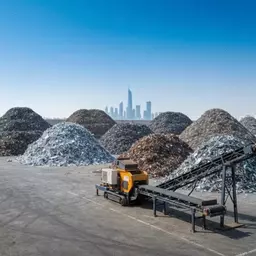
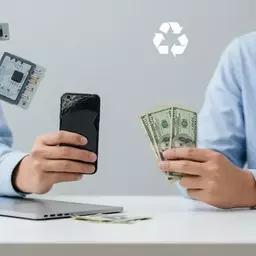
As an environmental advocate, I often find myself discussing the critical issue of electronic waste (e-waste). In the UAE, this challenge is growing rapidly, and it's vital to understand the implications of our electronic consumption on the environment. E-waste includes discarded devices like phones, computers, and appliances that can lead to significant environmental hazards if not disposed of properly.
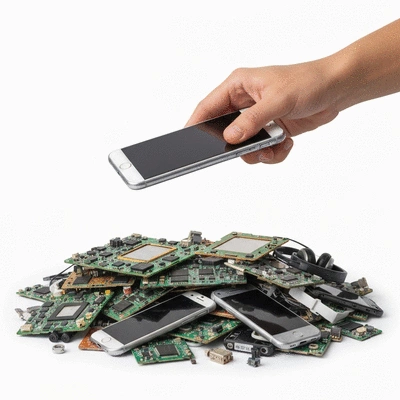
Did you know that the UAE generates **approximately 1.3 million tons** of e-waste annually? This figure is projected to rise as the demand for electronics increases, as detailed in The Global E-waste Monitor 2024. The improper handling of these materials can release harmful substances into our land and water, affecting our health and the health of our planet!
The Growing Challenge of E-Waste in the UAE
In the UAE, the challenge of e-waste is becoming more pronounced. With rapid technological advancements, older devices are often discarded in favor of newer models. This cycle creates a significant amount of e-waste that, if not managed correctly, can have dire consequences. We must face this issue head-on and take actionable steps to mitigate its impact, a concern also highlighted by Ecomena regarding e-waste recyclers.
- Increased consumption of electronics
- Rapid technological upgrades
- Lack of awareness about e-waste recycling
By addressing these factors, we can create a more sustainable future. At EcoScrap UAE, we are committed to providing effective recycling solutions to help manage this growing problem. Together, we can change the narrative surrounding e-waste!
Why Innovative Technologies are Crucial for E-Waste Management
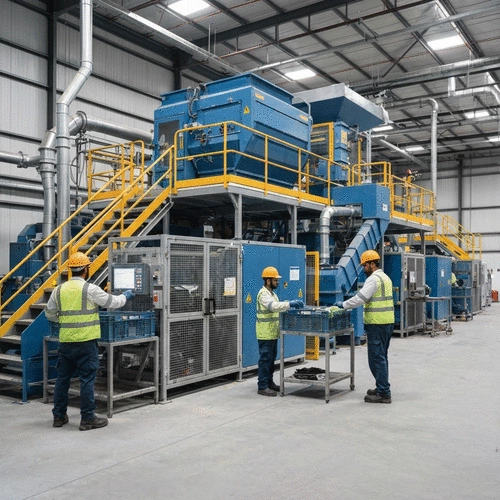
Innovative technologies play a pivotal role in tackling the e-waste crisis. As a recycling expert, I have witnessed firsthand how advancements in technology can enhance the efficiency of recycling processes. For instance, automated sorting systems can significantly improve material recovery rates, ensuring valuable resources are not lost in landfills.
- Enhanced sorting accuracy
- Reduction in processing time
- Increased recovery of recyclable materials
Embracing these technologies is essential for the UAE to manage e-waste effectively. As we adopt smarter solutions, we can contribute to a healthier environment and promote sustainability in our communities.
Environmental Regulations and Their Role in E-Waste Management
Regulatory frameworks are critical in shaping effective e-waste management practices. In the UAE, regulations are evolving to address the growing e-waste challenge. By enforcing laws that promote responsible disposal and recycling, we can ensure that both individuals and businesses understand their roles in protecting the environment. Further insights into sustainable development and policy can be found in research such as this article on sustainable development.
- Establishment of e-waste regulations by the UAE government
- Encouragement of recycling initiatives
- Support for education and awareness campaigns
At EcoScrap UAE, we align our services with these regulations to provide compliant solutions that ensure proper e-waste management. Together, we can foster a culture of sustainability and responsibility!
Pro Tip
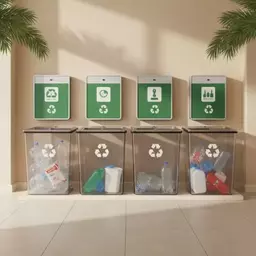
Did you know? Properly sorting your e-waste before disposal can significantly enhance recycling efficiency. Take a moment to separate devices by type—such as metals, plastics, and electronics—before dropping them off. This simple step can help recycling facilities recover valuable materials more effectively!
Frequently Asked Questions About E-Waste in the UAE
Summarizing the Impact of Innovative Technologies on E-Waste Management
As we look to the future, the impact of innovative technologies on e-waste management in the UAE cannot be overstated. Technological advancements have become essential in helping the region meet its sustainability targets. From enhancing recycling efficiency to improving recovery rates, these innovations play a crucial role in transforming how we handle electronic waste.

Moreover, technologies like AI-powered sorting systems and mechanical separation techniques ensure that we can process more e-waste effectively. This not only aids in resource recovery but also helps in minimizing environmental impact. As someone who is deeply passionate about responsible waste management at EcoScrap UAE, I see these developments as a beacon of hope for a cleaner and more sustainable future.
The Role of Technology in Meeting UAE's Sustainability Targets
Technology is at the forefront of the UAE's efforts to achieve its ambitious sustainability goals. We can break down its contributions into several key areas:
- Increased Efficiency: Automated systems streamline processes, reducing labor costs and time.
- Enhanced Recovery Rates: Cutting-edge machinery allows for higher recovery of valuable materials.
- Data Management: Advanced tracking systems improve transparency in the recycling process.
- Reduced Environmental Footprint: Innovative technologies help minimize pollution and waste.
By harnessing these advancements, we can significantly reduce e-waste's impact, aligning with the UAE's commitment to sustainability and environmental stewardship.
Industry Collaborations: Strengthening E-Waste Management Efforts
Collaborations between various stakeholders are vital to strengthening e-waste management efforts. This includes partnerships between recycling companies, government agencies, and educational institutions. Here are a few ways these collaborations enhance the recycling landscape:
- Research and Development: Joint efforts in research lead to innovative recycling techniques and improved processes.
- Knowledge Sharing: Partnerships facilitate the exchange of best practices among industry leaders.
- Community Engagement: Collaborative campaigns raise awareness and educate the public about proper e-waste disposal.
At EcoScrap UAE, we actively seek to engage with local communities and organizations to foster a culture of sustainability. Together, we can amplify our impact and encourage responsible recycling practices.
Engaging with E-Waste Recycling: The Path Forward
As we continue to explore ways to manage e-waste responsibly, engaging with the community is key. Each of us has a part to play in shaping a sustainable future, and at EcoScrap UAE, I believe everyone can contribute meaningfully!
How You Can Contribute to E-Waste Recycling Efforts
Wondering how you can get involved? Here are simple yet effective ways to contribute to e-waste recycling:
- Recycle Responsibly: Always check what e-waste can be recycled and how.
- Spread the Word: Encourage friends and family to recycle their electronic devices.
- Participate in Local Drives: Join community recycling events or organize one in your area.
- Educate Others: Share information about the importance of e-waste recycling on social media.
By taking these steps, we can collectively make a significant difference in reducing e-waste and promoting sustainable practices.
Encouraging Corporate Responsibility in E-Waste Management
Businesses also play a pivotal role in responsible e-waste management. Encouraging corporate responsibility can lead to significant advancements in sustainability. Companies can:
- Implement Recycling Programs: Establish in-house recycling initiatives for electronic devices.
- Invest in Green Technologies: Adopt innovative technologies that streamline recycling processes.
- Engage with Stakeholders: Partner with local recycling firms to ensure proper disposal of e-waste.
As a business owner, I recognize the importance of a proactive approach to sustainability. When companies take responsibility, they not only help the environment but also inspire others to follow suit.
Extended Producer Responsibility: A Key to Sustainable E-Waste Solutions
Lastly, Extended Producer Responsibility (EPR) is a vital aspect of sustainable e-waste management. EPR policies hold manufacturers accountable for the entire lifecycle of their products, from design to disposal. Here’s how EPR can benefit our recycling efforts:
- Encourages Sustainable Design: Companies are motivated to create products that are easier to recycle.
- Reduces Waste: EPR programs help divert e-waste from landfills.
- Promotes Consumer Awareness: EPR initiatives educate consumers about proper disposal methods.
At EcoScrap UAE, I believe that embracing EPR can lead to a cultural shift in how we view e-waste, fostering a more responsible and sustainable future for all.
Recap of Key Points
Here is a quick recap of the important points discussed in the article:
- The UAE generates approximately 1.3 million tons of e-waste annually, highlighting the urgency for effective management.
- Innovative technologies, like automated sorting systems, enhance recycling efficiency and material recovery rates.
- Regulatory frameworks are evolving in the UAE to promote responsible disposal and recycling practices.
- Collaboration between recycling companies, government, and educational institutions strengthens e-waste management efforts.
- Community engagement and awareness campaigns are essential for encouraging responsible e-waste recycling.