What if the waste we generate could be transformed into valuable resources? As the UAE embarks on its journey toward sustainability, understanding the role of technological innovations in recycling is crucial. This article explores how these advancements not only contribute to environmental preservation but also empower communities to engage in responsible waste management.
What You Will Learn
- The UAE's Net Zero 2050 strategy aims to divert 75% of waste from landfills, emphasizing the importance of sustainable practices.
- Innovative technologies like AI and IoT are revolutionizing recycling processes, enhancing efficiency and community engagement.
- Advanced methods such as enzymatic recycling and plasma gasification promise significant energy savings and improved material recovery.
- The shift towards a circular economy not only benefits the environment but also creates economic opportunities and jobs in the recycling sector.
UAE’s Recycling Vision: Goals & Technological Drivers
The UAE is aggressively pursuing a sustainable future through ambitious recycling targets and innovative technologies.
UAE's Net Zero 2050 Strategy
**Goal:** Achieve 75% Landfill Diversion
**Key Action:** Bans on single-use plastics to foster sustainability.
Policy & Economic Drivers
- Circular Economy: Recycling & resource recovery.
- Government Policies: Incentivize green practices.
- Tech Advancements: Enhance efficiency.
Innovative Technologies
- AI-Powered: Revolutionizes waste sorting.
- IoT Solutions: Smart bins & real-time tracking.
- Advanced Techniques: Enzymatic & Plasma Gasification.
Economic Benefits of Greener Recycling
- Job Creation: New roles in operations & innovation.
- ROI: Reduced waste disposal, increased material recovery.
- Sustainable Supply Chains: Enhanced efficiency & resilience.
Understanding the Role of Technological Innovations in Greener Recycling Processes in the UAE
As we navigate the path towards a sustainable future, the UAE's commitment to greener recycling is becoming increasingly vital. Central to this vision is the Net Zero 2050 strategy, which aims to achieve a remarkable 75% diversion of waste from landfills. This ambitious goal is supported by recent bans on single-use plastics, reflecting the UAE's dedication to fostering a culture of sustainability.
Imagine a world where waste isn't just discarded but transformed into valuable resources! The implications of these strategies are profound, impacting not only our environment but also our community's approach to waste management. At EcoScrap UAE, we believe that such policies encourage responsible recycling practices and empower individuals and businesses to actively participate in this transformative journey.
Setting the Stage: UAE’s Commitment to Greener Recycling
- Net Zero 2050 Strategy: Aiming for a sustainable future by minimizing carbon emissions.
- 75% Landfill Diversion Goal: This ambitious target sets the stage for innovative waste management practices.
- Bans on Single-Use Plastics: Encouraging alternatives that reduce plastic waste and promote eco-friendly products.
These initiatives pave the way for remarkable changes in how we perceive waste. For instance, at EcoScrap UAE, we engage with the community, highlighting the importance of recycling various materials, from metals to electronics, ensuring that every item finds a new life. The UAE's commitment to sustainability is more than a goal; it's a movement that we can all join!
Key Drivers of Change: Policy and Economic Factors
The transition towards a circular economy in the UAE is driven by robust policies and economic incentives. Under the guidance of the UAE Ministry of Climate Change and Environment, there is a strong push for technological advancements in recycling. This initiative not only enhances operational efficiencies but also reduces the environmental footprint of waste management.
As I reflect on our mission at EcoScrap UAE, I see the power of these policies to inspire change. The collaborative efforts between businesses and government bodies create a framework that supports innovation in recycling processes, enabling us to implement advanced technologies that can streamline operations and maximize recovery rates. The UAE Circular Economy Policy 2021-2031 provides a comprehensive framework for this transition.
- Circular Economy Model: A system that emphasizes recycling, resource recovery, and sustainability.
- Government Policies: These policies are essential for incentivizing businesses to adopt greener practices.
- Technological Advancements: Improved processes lead to higher efficiency and effectiveness in waste management.
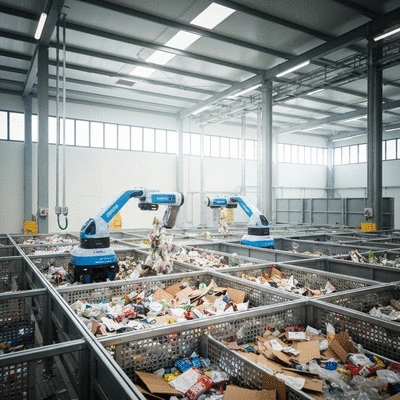
In essence, the synergy between policy and technology is setting a powerful precedent for how recycling can evolve. We should all be encouraged by these changes and consider how we can take part in this collective mission to protect our environment through responsible waste management practices.
Innovative Technologies Transforming Recycling Practices
AI-Powered Waste Management: Revolutionizing Sorting and Processing
Artificial Intelligence (AI) is at the forefront of transforming recycling practices. By enhancing the accuracy and efficiency of waste sorting, AI technologies are making significant strides in the industry. Leading companies in the UAE, such as Bee'ah and EnviroServe, are implementing these technologies to streamline processing and improve recycling rates.
At EcoScrap UAE, we recognize how crucial these innovations are for optimizing our services. By leveraging AI, we can ensure that materials are sorted correctly, which directly contributes to higher recovery rates and lower contamination levels in the recycling stream.
Smart Solutions: The Impact of IoT on Recycling Operations
The Internet of Things (IoT) is another game-changer in the recycling landscape. IoT-enabled smart bins and connected devices are helping optimize the collection and processing of recyclables. For example, initiatives by Dubai Sustainable City showcase how technology can enhance efficiency and reduce waste.
- Smart Bins: These bins can monitor fill levels and notify collection services when they need to be emptied.
- Connected Devices: Allow real-time tracking of recycling efforts, enabling better resource management.
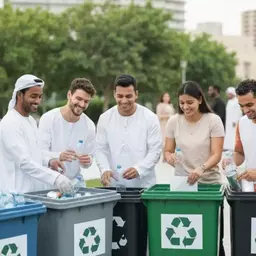
- Community Engagement: Technology fosters greater participation in recycling initiatives among residents.
Such innovations not only improve operational efficiency but also promote community involvement in recycling efforts. By encouraging everyone to participate, we can amplify our impact on sustainability across the UAE!
Advanced Recycling Techniques: Enzymatic and Plasma Gasification Processes
Innovative recycling techniques, such as enzymatic recycling and plasma gasification, are paving the way for more sustainable waste management practices. These cutting-edge methods offer significant benefits, including reduced energy consumption and increased material recovery.
At EcoScrap UAE, we are excited about the potential of these technologies. Collaborations with organizations like the International Renewable Energy Agency (IRENA) are essential in promoting these advancements within the UAE. Embracing such revolutionary methods allows us to not only recycle more effectively but also contribute to a cleaner planet.
- Enzymatic Recycling: Uses enzymes to break down plastics efficiently, turning them back into valuable raw materials.
- Plasma Gasification: Converts waste into gas, which can be used to generate energy, minimizing landfill use.
- Partnerships: Working with international organizations fosters innovation and knowledge exchange.
As we embrace these advanced techniques, we move closer to achieving our sustainability goals. It's an exciting time for recycling in the UAE, and at EcoScrap UAE, we're proud to be part of this journey towards innovation and environmental stewardship!
Pro Tip
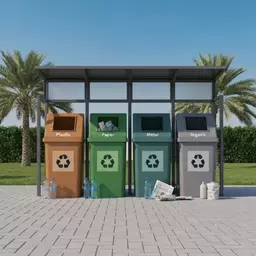
To maximize your recycling efforts, consider implementing a simple sorting system at home. Designate specific bins for different materials—plastics, metals, and paper. This not only keeps your recycling organized but also encourages family members to participate actively in sustainable practices!
Frequently Asked Questions (FAQs)
What is the UAE's Net Zero 2050 strategy?
The UAE's Net Zero 2050 strategy is an ambitious plan to minimize carbon emissions and achieve a 75% diversion of waste from landfills, promoting sustainable practices across the nation.
How are AI and IoT transforming recycling in the UAE?
AI is revolutionizing waste sorting by enhancing accuracy and efficiency, while IoT solutions, such as smart bins and connected devices, optimize collection and processing of recyclables, fostering community engagement.
What are enzymatic recycling and plasma gasification?
Enzymatic recycling uses enzymes to efficiently break down plastics into raw materials, and plasma gasification converts waste into gas for energy generation, both aiming to reduce landfill use and enhance material recovery.
What are the economic benefits of greener recycling processes?
Greener recycling processes create jobs, offer significant returns on investment through reduced waste disposal costs, improve sustainable supply chain management, and promote green logistics.
How can communities participate in the UAE's recycling efforts?
Community involvement is crucial. Participation can include sorting waste at home, attending educational workshops, joining community clean-up days, and engaging in recycling drives, all supported by technological tools and resources.
Looking Ahead: The Future of Recycling in the UAE
As we look towards the future, the advancements in recycling technologies in the UAE are becoming more interconnected with the nation’s sustainability goals. At EcoScrap UAE, I firmly believe that technological innovations like AI and IoT will play a pivotal role in enhancing our waste management systems. Moreover, the integration of renewable energy solutions in waste processing promises to not only boost efficiency but also reduce our carbon footprint significantly.
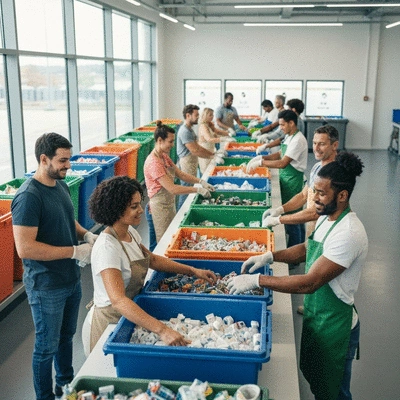
These developments align closely with the UAE’s broader vision for a sustainable future, paving the way for cleaner cities and a healthier environment. It's exciting to see how innovations are reshaping our approach to recycling, transforming waste into valuable resources.
Exploring the Economic Benefits of Greener Recycling
The adoption of greener recycling processes is not just about environmental sustainability; it also brings substantial economic benefits. Here are a few key implications:
- Job Creation: New recycling initiatives require skilled labor for operation, management, and innovation, contributing to local employment.
- Return on Investment: Companies that invest in modern recycling technologies can see significant returns through reduced waste disposal costs and increased material recovery.
- Sustainable Supply Chain Management: Greener practices enhance the efficiency of supply chains, making them more resilient and eco-friendly.
- Green Logistics: Implementing sustainable practices in logistics can reduce emissions and lower transportation costs.
These factors not only strengthen the economy but also encourage a shift towards more responsible consumption patterns. At EcoScrap UAE, we see firsthand how these benefits create opportunities for businesses and communities alike!
Final Thoughts: Bridging Technological Innovations with Community Engagement
Ultimately, the success of recycling initiatives will hinge on community involvement. Technology alone cannot drive change; it requires a collaborative effort between businesses, consumers, and local governments. Initiatives that promote environmental awareness—like community clean-up days, educational workshops, and recycling drives—are invaluable in fostering this culture of engagement.
As I have witnessed through my work at EcoScrap UAE, when communities come together to embrace sustainable practices, the impact is profound. Technology facilitates this engagement by providing tools and resources that empower individuals to participate meaningfully in recycling efforts.
Let’s bridge the gap between innovation and community action, creating a collective movement toward a greener, cleaner future in the UAE!
Recap of Key Points
Here is a quick recap of the important points discussed in the article:
- Net Zero 2050 Strategy: The UAE aims for a sustainable future by minimizing carbon emissions and achieving a 75% diversion of waste from landfills.
- Technological Innovations: AI and IoT are revolutionizing waste management, enhancing sorting accuracy and optimizing collection processes.
- Advanced Recycling Techniques: Methods such as enzymatic recycling and plasma gasification are paving the way for more sustainable practices.
- Community Engagement: Successful recycling initiatives depend on active participation from the community and collaboration with local governments.
- Economic Benefits: Greener recycling processes contribute to job creation, improved supply chain management, and significant returns on investment for businesses.