What if every time you recycled, you actively contributed to a healthier planet? The choices we make regarding metal production and recycling can significantly impact our environment, and understanding these effects is crucial for fostering sustainable practices.
What You Will Learn
- Recycled metals consume up to 95% less energy compared to virgin metals, leading to a lower environmental impact.
- Utilizing recycled materials significantly decreases greenhouse gas emissions and conserves natural resources.
- Recycling supports local economies by creating jobs and reducing waste through responsible management.
- Understanding environmental footprints can guide better production practices and encourage sustainable choices.
- Government policies play a vital role in promoting recycling initiatives and supporting community engagement.
- Embracing the circular economy emphasizes resource recovery, longevity in product design, and minimal waste.
Environmental Impact: Recycled vs. Virgin Metal Production
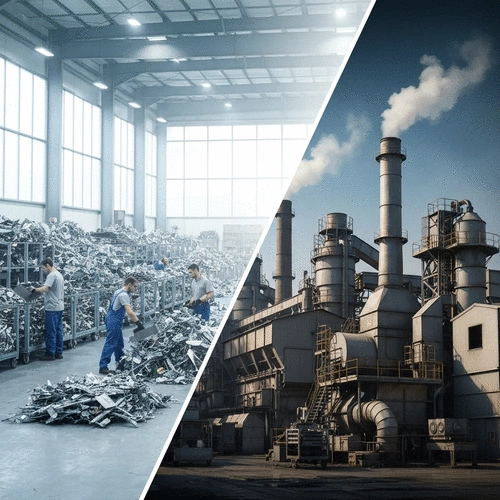
Comparing the quantifiable benefits of recycling in terms of energy consumption and environmental emissions.
Recycled Metal Production
- ✓ Up to 95% Less Energy
- ✓ Significantly Lower Emissions
- ✓ Conservation of Resources
- ✓ Economic Benefits (Job Creation)
Virgin Metal Production
- ✗ High Energy Consumption
- ✗ Significant Greenhouse Gas Emissions
- ✗ Depletion of Natural Resources
- ✗ Land Disruption (Mining)
Understanding the Environmental Impact of Metal Production
As an environmental advocate, I find it crucial to discuss the impact of metal production on our planet. Metal is all around us, from the cars we drive to the electronics we use every day. However, the methods used to produce these metals can have severe environmental consequences. Understanding the difference between recycled and virgin metal production is essential in recognizing how we can make a positive change.
Defining Recycled vs. Virgin Metal Production
Recycled metal is obtained from scrap materials and repurposed into new products, while virgin metal comes from mining and processing raw ore. The difference is significant, not just in the materials used, but in the environmental consequences of each method. Recycling metals drastically reduces the need for mining, which can lead to less land disruption and lower emissions.
- Recycled metals use up to 95% less energy compared to virgin metals.
- Recycling helps decrease greenhouse gas emissions significantly.
- Using recycled materials supports local economies and reduces waste.
The Role of Environmental Footprints in Metal Production
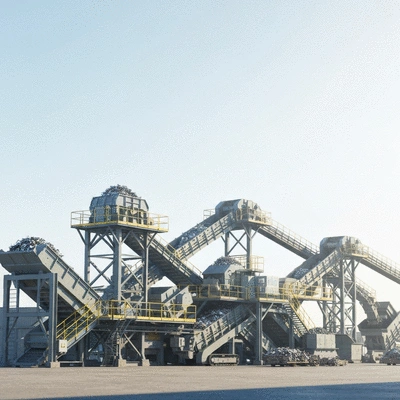
Environmental footprints measure the impact of a production process on the environment, including factors like energy consumption, water usage, and emissions. In metal production, these footprints can reveal how sustainable our choices are. For instance, producing a ton of aluminum from recycled material results in significantly lower emissions than producing it from raw materials. This is supported by studies demonstrating how recycling technology can significantly cut carbon footprints.
This awareness allows us to make informed decisions. By choosing recycled metals, we can collectively decrease our environmental burden and promote a healthier planet, as recycling positively impacts climate change.
Why the Focus on Environmental Footprints?
Focusing on environmental footprints is essential because it provides a clear picture of the true costs associated with metal production. Understanding these impacts encourages industries and individuals to adopt more sustainable practices. At EcoScrap UAE, we advocate for recycling because it directly benefits both the environment and communities.
- Highlight the importance of reducing emissions.
- Encourage responsible waste management practices.
- Promote community engagement in recycling efforts.
By emphasizing environmental footprints, we can inspire others to join us on this journey toward sustainability. Every action counts, and together, we can drive meaningful change!
Energy and Emissions: The Quantifiable Benefits of Recycling
Recycling isn't just beneficial for the planet; it also offers incredible savings in energy and emissions. As we explore the quantifiable benefits of recycling metals, it's important to understand how much energy we can save and the positive impact it has on our climate.
- Recycling metals saves substantial energy, reducing reliance on fossil fuels.
- Lower emissions contribute to a healthier atmosphere.
- Recycling creates new opportunities for jobs and economic growth.
Let's dive into the specifics of energy savings and emissions reductions in metal production!
We Want to Hear From You!
How do you incorporate recycling into your daily life? Share your thoughts below:
Frequently Asked Questions
Here are some common questions about metal recycling and its environmental impact:
- Q: What is the primary difference between recycled and virgin metal production?
- A: Recycled metal is made from existing scrap materials, requiring significantly less energy and producing fewer emissions. Virgin metal is extracted from raw ore through mining, which is energy-intensive and causes more environmental disruption.
- Q: How much energy can be saved by recycling metals?
- A: Recycling metals can save up to 95% of the energy compared to producing new metals from raw materials.
- Q: What are environmental footprints, and why are they important in metal production?
- A: Environmental footprints measure the overall impact of a production process on the environment, including energy, water, and emissions. They are crucial for assessing sustainability and guiding decisions toward greener practices.
- Q: How does recycling contribute to the economy?
- A: Recycling creates jobs, stimulates local economies through recycling programs, and reduces waste, leading to overall economic benefits.
- Q: What is the circular economy, and how does it relate to sustainability?
- A: The circular economy is an economic model that aims to keep resources in use for as long as possible, emphasizing design for longevity, resource recovery, and minimal waste. It is fundamental to achieving long-term sustainability by moving away from the traditional "take-make-dispose" model.
Encouraging Sustainable Practices: Call to Action
At EcoScrap UAE, I believe that fostering a culture of recycling is vital for creating a sustainable future. In this section, we'll explore why individuals and businesses should recycle, how policy plays a role in promoting recycling initiatives, and the significance of understanding the circular economy.
Why Individuals and Businesses Should Recycle
Recycling is more than just a trend; it's a responsibility we all share. Here are a few compelling reasons to engage in recycling:
- Conservation of Resources: Recycling helps conserve precious natural resources that we would otherwise deplete through virgin production.
- Energy Savings: The energy saved from recycling metals can power homes and businesses, reducing utility costs and contributing to a reduction in climate change impacts.
- Reduction of Waste: By recycling, we divert materials from landfills, which lowers environmental pollution and the need for new landfills.
- Economic Benefits: Recycling creates jobs and stimulates local economies through recycling programs and businesses.
As a passionate advocate for recycling, I see firsthand how small actions lead to big changes. For businesses, adopting recycling practices can also enhance brand reputation and customer loyalty, as more consumers are inclined to support environmentally responsible companies.
The Role of Policy in Promoting Recycling Initiatives
Government policies play a crucial role in establishing effective recycling programs. Without supportive policies, recycling efforts can falter. Here are some key ways that policy can foster recycling:
- Incentives for Businesses: Tax breaks and grants for companies that implement robust recycling programs can motivate participation.
- Education Campaigns: Policies that support public education on recycling can increase awareness and participation rates.
- Regulations on Waste Management: Establishing strict regulations on waste disposal can encourage businesses and individuals to recycle.
It's essential for policymakers to recognize the importance of recycling initiatives. They should strive to create legislation that supports sustainable practices and encourages community involvement in recycling efforts.
Understanding the Circular Economy and Its Role in Sustainability
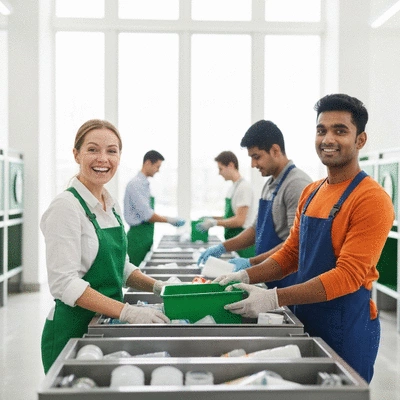
The concept of the circular economy is pivotal in today’s sustainability conversation. Unlike the traditional linear economy, which follows a "take-make-dispose" model, the circular economy emphasizes keeping resources in use for as long as possible. Here are its key principles:
- Design for Longevity: Products should be designed for durability and ease of repair.
- Resource Recovery: Efficient systems should be in place to recover materials at the end of a product's life cycle. The National Institute of Standards and Technology provides resources on recycling in the context of the circular economy.
- Minimal Waste: The goal is to minimize waste through recycling and responsible consumption.
At EcoScrap UAE, we are committed to promoting these principles in our community. By embracing the circular economy, we can contribute to a more sustainable future, reducing our overall environmental footprint while fostering a responsible approach to resource management.
Final Thoughts on Comparing Environmental Footprints
As we wrap up our discussion, let’s reflect on the key advantages of recycling over virgin metal production. Recycling not only conserves energy and resources but also significantly reduces harmful emissions. By choosing recycled materials, we're taking a stand for the environment!
Recap of Key Advantages of Recycling Over Virgin Metal Production
- Lower energy consumption in the recycling process.
- Reduced greenhouse gas emissions.
- Conservation of natural resources.
- Significant economic benefits through job creation.
In conclusion, the transition towards sustainable metal production is not just beneficial—it's necessary. It's vital for both our environment and future generations. Let’s be proactive in our recycling efforts and inspire others to join this essential movement!
Looking Ahead: The Future of Metal Production and Sustainability
The future of metal production is bright, especially with innovations in recycling technologies and practices. As more individuals and businesses recognize the importance of sustainability, we can expect to see increased investments in recycling programs and a stronger commitment to reducing our environmental impact. Together, we can pave the way for a cleaner, greener planet, and I’m excited to see what we can achieve!
Recap of Key Points
Here is a quick recap of the important points discussed in the article:
- Recycling vs. Virgin Production: Recycled metals use up to 95% less energy and significantly reduce greenhouse gas emissions.
- Environmental Footprints: Understanding the environmental impact of metal production helps promote sustainable practices.
- Economic Benefits: Recycling creates jobs and stimulates local economies while conserving natural resources.
- Importance of Policy: Supportive government policies are crucial for promoting recycling initiatives and community engagement.
- Circular Economy Principles: Emphasizing design for longevity, resource recovery, and minimal waste is key to sustainability.