Consider how much waste is generated in our daily lives. What if every discarded item could be transformed into something valuable? The recycling market in the UAE stands at a pivotal point where innovation meets sustainability, unlocking immense potential for environmental stewardship.
What You Will Learn
- The UAE's scrap recycling market is experiencing significant growth due to increased industrialization and urbanization.
- Non-ferrous metals are in high demand, driven by their lightweight properties and recyclable nature.
- Innovative technologies, such as Electric Arc Furnace (EAF), are enhancing recycling efficiency.
- Environmental regulations are creating stricter compliance requirements, encouraging sustainable practices in recycling facilities.
- Recycling significantly reduces carbon emissions by lowering energy consumption compared to using new raw materials.
- Community-driven initiatives, like Dubai’s Paper Recycling Program, showcase the tangible environmental benefits of recycling efforts.
- The concept of a circular economy is fostering an innovative approach to waste management, encouraging resource repurposing.
Driving Factors and Environmental Impacts in UAE Scrap Recycling
The UAE's scrap recycling market is experiencing significant growth, fueled by several key factors and yielding substantial environmental benefits. Below is an overview of these drivers and positive impacts.
Understanding the Landscape of UAE’s Scrap Recycling Market
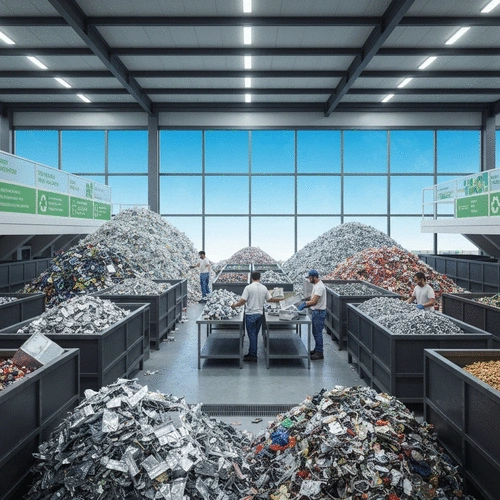
As we dive into the UAE’s scrap recycling market, it's vital to understand the current trends and growth trajectories, particularly in ferrous and non-ferrous scrap recycling. Over the years, the UAE has seen a significant shift in how we approach recycling, with a strong emphasis on sustainable practices. The demand for more efficient and responsible recycling has grown, driven by the industrial and urban development within the region.
Notably, the market dynamics reflect a growing consciousness about resource conservation and environmental sustainability. With increasing industrial activities, the need for effective recycling processes has never been more crucial. As the founder of EcoScrap UAE, I am excited to be part of this transformative journey, where we can turn waste into valuable resources!
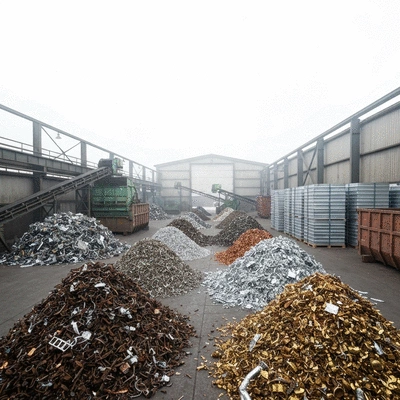
Insights into Ferrous and Non-Ferrous Scrap Recycling Trends
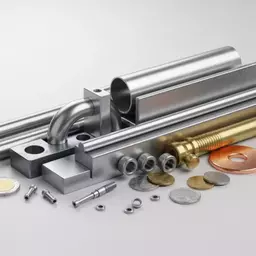
The recycling industry in the UAE is primarily categorized into ferrous and non-ferrous scrap. Ferrous materials, which include iron and steel, are crucial for various industries, while non-ferrous metals like aluminum, copper, and lead also play a significant role. Here are some key insights into the current trends:
- Growing demand for non-ferrous metals due to their recyclable nature and lightweight properties.
- Increased focus on recycling ferrous scrap as industries seek to reduce production costs.
- Emergence of innovative technologies that enhance sorting and processing efficiencies.
These trends indicate a vibrant market that is evolving alongside technological advancements and a growing appreciation for sustainable practices. As a community, we have the power to embrace these changes and foster a recycling culture that benefits everyone!
Driving Factors Behind Market Growth in UAE Scrap Recycling
Three primary driving factors are propelling the growth of the scrap recycling market in the UAE. They include:
- Industrialization: As industries expand, so does the generation of scrap materials, creating a perpetual need for recycling.
- Urbanization: Rapid urban development leads to increased waste generation, sparking a demand for efficient recycling solutions.
- Adoption of Electric Arc Furnace (EAF) technology: This innovative technology allows for more efficient recycling of metals, contributing significantly to sustainability efforts.
These factors not only fuel the growth of the recycling industry but also pave the way for a more sustainable future. At EcoScrap UAE, we strive to align our efforts with these trends to support both the environment and the local community!
Overview of Scrap Metal Prices in the UAE
Understanding the current trends in scrap metal pricing is crucial for evaluating the health of the recycling industry. As prices fluctuate, they significantly impact the motivation to recycle. Factors influencing these prices include:
- Global demand and supply dynamics for metals.
- Changes in production rates in key industries.
- Local regulations and environmental policies that can affect operational costs.
By staying informed about these trends, we can better strategize our recycling efforts and ensure that we are contributing positively to the environment and economy. As an advocate for responsible waste management, I encourage everyone to pay attention to these price movements as they directly relate to our recycling capabilities!
Impacts of UAE Environmental Regulations on Scrap Recycling
The UAE government has implemented various environmental regulations that shape scrap recycling practices. These regulations aim to promote sustainability and encourage responsible waste management. The UAE's official portal on waste management provides comprehensive information on these initiatives. Some key impacts include:
- Increased compliance requirements for recycling facilities to ensure environmentally friendly practices.
- Incentives for businesses that adopt sustainable recycling methods, leading to innovation and efficiency.
- Community awareness programs that educate the public on the importance of recycling and how they can contribute.
As a result of these regulations, the landscape of scrap recycling in the UAE is becoming increasingly well-equipped to handle the challenges of waste management. At EcoScrap UAE, we are proud to be part of this initiative, dedicating our services to meet and exceed these standards while helping our community become more sustainable!
Pro Tip
Did you know? Engaging in local recycling programs not only helps the environment but also fosters community connections. Consider joining or organizing a neighborhood recycling initiative to share knowledge, resources, and motivate others to participate in sustainable practices!
Environmental Considerations in Scrap Recycling
As we delve into the environmental considerations associated with scrap recycling in the UAE, it's essential to recognize the profound impact that recycling can have on our planet. By effectively recycling ferrous and non-ferrous materials, we can significantly contribute to the reduction of carbon emissions and promote sustainability. This is not just about reducing waste; it’s about creating a cleaner future for generations to come!
Impact of Recycling on Carbon Emissions in the UAE
When we recycle materials, we reduce the need for new raw materials, which in turn cuts down on energy consumption. This process leads to lower CO2 emissions in several ways:
- Recycling metals often requires less energy than mining and processing virgin materials.
- Recycling plastics reduces the fossil fuel consumption associated with their production.
- Using recycled materials in manufacturing leads to fewer emissions across the supply chain.
At EcoScrap UAE, we are committed to educating our clients about these benefits. Every recycled item represents a step towards a more sustainable future. By engaging in recycling, we collectively reduce our carbon footprint, contributing to a healthier environment.
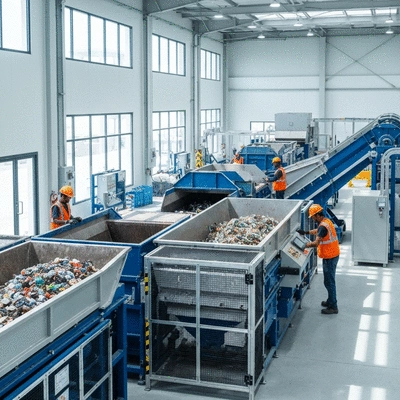
Case Studies on Environmental Benefits of Recycling
Throughout the UAE, various successful recycling initiatives showcase the environmental benefits of our efforts. Here are a few noteworthy examples:
- Dubai’s Paper Recycling Program: This initiative has successfully diverted thousands of tons of paper waste from landfills, resulting in significant reductions in deforestation.
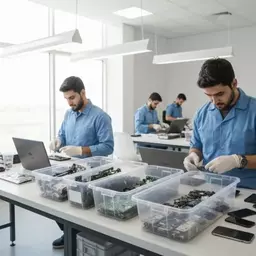
- Abu Dhabi’s Electronic Waste Campaign: By collecting and recycling electronic waste, this campaign has reduced heavy metal pollution in our soil and water sources.
- Sharjah’s Plastic Recycling Initiative: By turning plastic waste into new products, this program has not only minimized landfill use but also created employment opportunities within the community.
Each of these initiatives highlights how community-driven efforts can yield measurable environmental impacts, aligning with our mission at EcoScrap UAE to promote sustainability and responsible waste management.
The Role of Circular Economy in UAE's Recycling Efforts
The concept of a circular economy is gaining traction in the UAE, reshaping how we view waste and resources. By applying this framework, we aim to:
- Keep materials in circulation for longer, reducing the need for new resources.
- Transform waste into a resource through recycling and repurposing initiatives.
- Encourage the design of products that are easier to recycle.
As we embrace the circular economy, we at EcoScrap UAE strive to lead by example. It’s about creating systems that benefit both our economy and the environment—an approach that I believe will define the future of waste management.
Life Cycle Assessment of Recycling Practices in the UAE
To understand the full environmental impact of recycling, we utilize life cycle assessments (LCAs). This method evaluates the environmental effects of a product from its initial production to its end-of-life. Key aspects of LCAs in recycling include:
- Assessing energy use and emissions at each stage of a product's life.
- Identifying opportunities for improvement in recycling processes.
- Providing data to support informed decision-making for businesses and consumers alike.
By employing LCAs, we can make better choices that enhance our recycling practices and ultimately lead to a more sustainable future. At EcoScrap UAE, we are dedicated to leveraging these assessments to improve our services and help our clients understand their environmental impact.
Frequently Asked Questions About UAE Scrap Recycling
What is driving the growth of the UAE's scrap recycling market?
The market's growth is primarily driven by increased industrialization, rapid urbanization leading to more waste generation, and the adoption of advanced technologies like Electric Arc Furnaces (EAF) for efficient metal recycling.
What are the main categories of scrap recycled in the UAE?
The recycling industry in the UAE mainly deals with ferrous materials (like iron and steel) and non-ferrous metals (such as aluminum, copper, and lead).
How do environmental regulations impact scrap recycling in the UAE?
UAE environmental regulations increase compliance requirements for recycling facilities, incentivize sustainable recycling methods, and promote community awareness programs, all contributing to more responsible waste management.
How does recycling help reduce carbon emissions?
Recycling reduces carbon emissions by decreasing the need for new raw materials, which in turn lowers energy consumption for extraction and processing. This applies to metals, plastics, and other materials, leading to fewer emissions across the supply chain.
What is the circular economy's role in UAE's recycling efforts?
The circular economy aims to keep materials in circulation longer, transforming waste into resources through recycling and repurposing. It encourages designing products that are easier to recycle, fostering a system that benefits both the economy and the environment.
Where can I find official statistics on waste management in the UAE?
Official statistics on waste management in the UAE, including data on waste generation and recycling efforts, are available from the Ministry of Climate Change and Environment (MOCCAE).
Are there reports available on the industrial waste management market in the UAE?
Yes, detailed reports on the UAE industrial waste management market, offering insights into trends, drivers, and forecasts, can be found from market intelligence providers such as Mordor Intelligence.
Recap of Key Points
Here is a quick recap of the important points discussed in the article:
- The UAE's scrap recycling market is evolving with a strong emphasis on sustainability and efficient practices.
- Growing demand for non-ferrous metals and innovative technologies are driving trends in recycling.
- Key growth factors include industrialization, urbanization, and the adoption of Electric Arc Furnace technology.
- Understanding scrap metal pricing trends is essential for evaluating the recycling industry’s health.
- Environmental regulations are shaping responsible waste management and promoting community engagement.
- Recycling significantly reduces carbon emissions, contributing to a cleaner future.
- Successful community initiatives demonstrate the tangible environmental benefits of recycling.
- Embracing a circular economy can enhance resource efficiency and sustainability in the UAE.