
What are the most significant hurdles in the scrap metal collection industry? Understanding these challenges can empower recycling businesses to implement effective solutions, driving both sustainability and efficiency.
What You Will Learn
- Contamination poses a major challenge in scrap metal collection, requiring proactive measures like public education and clear labeling to improve recycling quality.
- Logistical hurdles, such as transportation costs and traffic conditions, can be managed through route optimization and local partnerships for enhanced efficiency.
- Market volatility is a significant risk for businesses; strategies such as hedging contracts and diversifying material types can provide financial stability.
- Regulatory compliance is crucial; staying informed about environmental laws and ensuring proper licensing can prevent legal issues and promote responsible practices.
- Cost management is essential for profitability; investing in energy-efficient equipment and bulk purchasing can significantly reduce operational expenses.
Key Challenges & Solutions in UAE Scrap Metal Collection
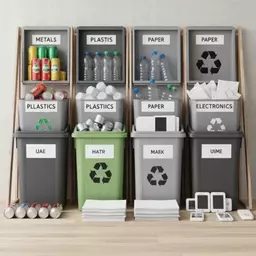
This visual outlines the primary challenges faced in scrap metal collection in the UAE and the effective strategies implemented to address them, ensuring a sustainable and efficient recycling process.
Understanding the Primary Challenges in Scrap Metal Collection in the UAE
As someone deeply embedded in the recycling industry through EcoScrap UAE, I’ve witnessed firsthand the unique challenges faced in scrap metal collection across the UAE. These issues not only impact our operations but also the overall sustainability efforts in the region. In this section, we're going to explore these challenges thoroughly, ensuring you're well-equipped with knowledge and strategies to navigate them.
Identifying Contamination Issues in Scrap Metal
One of the most pressing challenges we encounter in scrap metal collection is contamination. Contamination occurs when non-recyclable materials mix with scrap metals, significantly diminishing the value of the entire batch. Understanding the types of contamination can help us tackle this issue more effectively.
Types of Contamination: Mixed Materials and Their Impact
Contamination can come from various sources, including:
- Mixed materials: Metals combined with plastics or other non-metal materials.
- Food residue: Leftover waste from containers that can spoil the recycling process.
- Hazardous materials: Chemicals or electronic components that can be harmful and complicate recycling efforts.
These contaminants can lead to increased processing costs and reduced quality of recycled materials. By identifying and addressing these issues upfront, we can mitigate their effects on our operations. For more information on the environmental impact of improper waste disposal, you can refer to resources like Public Health Watch's insights on environmental impact.
Best Practices for Reducing Contamination in Collection
To minimize contamination, I recommend implementing the following best practices:
- Public education: Informing the community about proper disposal methods can dramatically reduce contamination rates.
- Clear labeling: Ensuring that bins are clearly labeled helps guide individuals in what can and cannot be recycled.
- Regular inspections: Performing routine checks on collected materials can help catch contamination before processing.
By adopting these practices, not only do we improve the quality of our recycled materials, but we also promote a culture of responsible waste management.
Navigating Logistics and Transportation Hurdles
Logistics and transportation represent another significant hurdle in scrap metal collection. The intricacies of moving materials efficiently across the UAE can lead to increased costs and delays if not managed properly. Understanding key factors affecting transportation can help optimize our process.
Key Factors Affecting Transportation Costs in the UAE
Several factors influence transportation costs, including:
- Distance: Longer distances require more fuel and time, increasing expenses.
- Traffic conditions: Congestion can lead to delays and increased fuel consumption.
- Type of vehicle used: Specialized vehicles for scrap collection may have higher operational costs.
By analyzing these factors, we can develop strategies that keep costs down while ensuring timely collection.
Effective Logistics Strategies for Efficient Collection

Here are some effective logistics strategies I have found beneficial:
- Route optimization: Using software tools to find the most efficient collection routes can save time and reduce fuel costs.
- Schedule flexibility: Adjusting collection times based on traffic patterns can enhance efficiency.
- Partnerships with local transporters: Collaborating with local logistics providers can improve service delivery and reduce costs.
By integrating these strategies, we at EcoScrap UAE can enhance our operations, serving our clients better while maintaining sustainability.
Analyzing the Impact of Fluctuating Market Prices
The scrap metal market is notoriously volatile, with prices fluctuating based on a variety of factors. Understanding these fluctuations can help businesses like EcoScrap navigate financial risks effectively.
Understanding Price Volatility in Scrap Metal Markets
Market prices for scrap metals can be influenced by:
- Global supply and demand: Changes in production rates in countries that import metals can lead to price variations.
- Economic conditions: Recessions or booms can shift demand for metals, impacting prices.
- Currency exchange rates: As metals are often traded globally, currency fluctuations can affect pricing.
Understanding these elements is crucial for predicting market trends and making informed business decisions.
Strategies to Mitigate Financial Risks from Price Fluctuations
To mitigate the risks associated with price volatility, consider these strategies:
- Hedging contracts: Using contracts to lock in prices can protect against sudden market shifts.
- Diversification: Expanding into various types of scrap materials can reduce dependency on one market.
- Building relationships with buyers: Establishing strong ties with regular clients can ensure consistent demand, even during price dips.
These strategies can provide a buffer against the unpredictability of scrap metal prices, helping us remain stable and sustainable.
Addressing Regulatory Compliance and Licensing Challenges
In the recycling industry, staying compliant with regulations is essential. The UAE has set various standards that businesses must adhere to, making it crucial to understand these rules thoroughly.
Overview of Key UAE Regulations and VAT Rules
Some key regulations affecting scrap metal collection include:
- Environmental regulations: These laws ensure that recycling practices do not harm the environment.
- Licensing requirements: All recycling businesses must obtain proper licenses to operate legally.
- VAT implications: Businesses must understand how value-added tax applies to their services to maintain compliance.
Staying informed about these regulations is vital for successful operations. For deeper insights into regulatory aspects of waste management, you can consult resources such as the EOXS guide to waste management regulations in Dubai.
Steps to Ensure Compliance and Avoid Penalties
To avoid penalties and ensure compliance, consider these steps:
- Regular training: Keeping staff updated on regulations helps maintain compliance.
- Consulting experts: Hiring legal or compliance experts can provide guidance on complex regulations.
- Documenting processes: Keeping thorough records can protect against misunderstandings during inspections.
Implementing these steps can safeguard your business from potential legal issues and promote a responsible recycling approach.
Optimizing Sorting and Identification Processes
Effective sorting and identification processes are crucial for maximizing profitability in scrap metal recycling. The accuracy of these processes can significantly impact the quality of the end product.
Importance of Accurate Sorting for Profitability
Here’s why accurate sorting matters:
- Quality control: Proper sorting reduces contamination and ensures high-quality recycled materials.
- Cost efficiency: Less time spent sorting means lower labor costs.
- Improved pricing: Higher quality materials fetch better prices on the market.
By refining our sorting processes, we can improve our bottom line while supporting environmental goals.
Innovations in Sorting Technology and Training
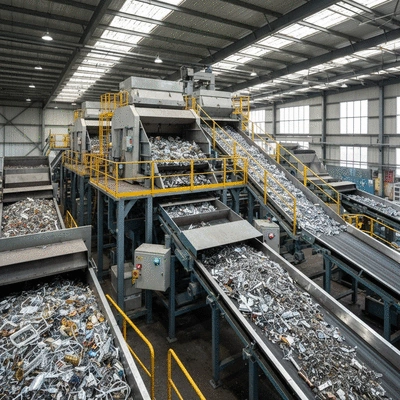
Embracing technology can enhance sorting accuracy. Here are some innovations to consider:
- Automated sorting systems: Using advanced machinery can speed up the sorting process and improve accuracy.
- Machine learning: AI can help identify materials more accurately based on previous data.
- Training programs: Providing staff training on new technologies ensures effective use of innovations.
Investing in these technologies not only streamlines operations but also positions EcoScrap UAE as a leader in efficient recycling practices.
Operational Costs: Balancing Expenses and Profitability
Understanding operational costs plays a critical role in maintaining profitability. By analyzing common expenses, we can identify areas for improvement.
Analyzing Common Operational Costs in Scrap Collection
Some common operational costs include:
- Labor costs: Wages for staff involved in collection, sorting, and processing.
- Transportation expenses: Costs associated with moving materials from collection sites to processing facilities.
- Maintenance of equipment: Regular servicing of vehicles and machinery to ensure smooth operations.
By keeping a close eye on these costs, we can make informed decisions that enhance our financial health.
Cost-Effective Solutions for Improving Profit Margins
To improve profit margins, consider these cost-effective solutions:
- Energy-efficient equipment: Investing in energy-efficient machinery can lower utility bills.
- Regular training: Upskilling employees can lead to more efficient operations, cutting down on wasted resources.
- Bulk purchasing: Buying materials in bulk can reduce costs and improve negotiation power with suppliers. For additional strategies on enhancing efficiency, you can explore articles like those found on American Recycler.
Implementing these solutions can lead to significant savings, allowing EcoScrap UAE to thrive in a competitive market.
Environmental Regulations Impacting Scrap Metal Collection
Staying compliant with environmental regulations is essential for promoting sustainability in scrap metal collection. Understanding these standards can ensure our practices align with local and international expectations.
Understanding Local and International Environmental Standards
Some critical environmental standards include:
- Waste management regulations: These laws govern how scrap materials should be collected and processed.
- Recycling targets: Setting goals for recycling rates helps drive industry standards.
- International agreements: Compliance with treaties such as the Basel Convention can affect how we handle certain materials.
Being aware of these regulations is crucial for EcoScrap's operations and reputation in the recycling community.
The Role of Compliance in Sustainable Scrap Practices
Compliance is not just about avoiding penalties; it’s also about fostering a positive impact. Here’s how:
- Enhancing trust: Meeting environmental standards builds credibility with clients and the community.
- Attracting partnerships: Companies that prioritize sustainability tend to attract more business opportunities.
- Promoting responsible practices: Complying with regulations encourages a culture of sustainability within the industry.
By committing to compliance, we at EcoScrap UAE not only protect our business but also contribute positively to the environment. For a deeper understanding of regulatory frameworks, an excellent resource is the Bay Area Air Quality Management District's waste management regulations, which, while specific to a region, illustrate common regulatory principles.
Enhancing Collection Efficiency through Technology Integration
Technology plays a transformative role in enhancing the efficiency of scrap metal collection. By leveraging digital tools, we can streamline operations and improve service delivery.
Digital Platforms for Streamlining Scrap Metal Collection
Here are some digital platforms that can enhance our operations:
- Mobile apps: Allowing clients to schedule pickups and track their recycling progress enhances customer satisfaction.
- Inventory management software: Keeps track of collected materials, streamlining processing and reducing waste.
- Blockchain technology: Ensures transparency in transactions, enhancing trust among stakeholders.
By integrating these technologies, EcoScrap can improve customer engagement and operational efficiency.
Using AI and Automation to Improve Operational Efficiency
Artificial intelligence and automation can revolutionize our processes. Consider these applications:
- Predictive analytics: AI can forecast demand trends, allowing us to adjust our operations accordingly.
- Automated sorting: Using AI-driven sorting technology can enhance accuracy and speed, reducing labor costs.
- Real-time data analysis: Monitoring operational data in real-time can help identify inefficiencies quickly.
By embracing AI and automation, we can enhance the effectiveness of EcoScrap's recycling practices, keeping us ahead in the industry.
Frequently Asked Questions
- What are the main challenges in scrap metal collection in the UAE? The main challenges include contamination issues, logistical and transportation hurdles, market price fluctuations, regulatory compliance, and managing operational costs.
- How can contamination in scrap metal be reduced? Contamination can be reduced through public education on proper disposal, clear labeling of collection bins, and regular inspections of collected materials.
- What strategies can help manage transportation costs in scrap metal collection? Effective strategies include route optimization using software tools, flexible scheduling to avoid traffic, and forming partnerships with local transporters.
- How do businesses mitigate risks from volatile scrap metal prices? Businesses can use hedging contracts to lock in prices, diversify the types of scrap materials they handle, and build strong relationships with consistent buyers.
- Why is regulatory compliance important in the scrap metal industry? Compliance ensures that recycling practices are environmentally sound, prevents legal penalties, and builds trust with clients and the community by promoting responsible operations.
- How can technology improve efficiency in scrap metal collection? Technology can enhance efficiency through digital platforms like mobile apps for pickups and inventory management software, and by using AI for predictive analytics, automated sorting, and real-time data analysis.
Pro Tip
To effectively reduce contamination in your scrap collection efforts, consider organizing community workshops. These sessions can educate local residents on the importance of clean recycling practices, demonstrating how simple actions—like rinsing out containers or properly sorting materials—can significantly enhance the quality of scrap collected. A well-informed community can lead to reduced processing costs and improved recycling outcomes!
Summarizing the Key Takeaways on Scrap Metal Collection Challenges
As we wrap up our exploration of the challenges associated with scrap metal collection in the UAE, it's essential to highlight the major hurdles and the innovative solutions that businesses are implementing. This industry faces unique issues such as contamination, fluctuating market prices, and regulatory compliance. However, companies like EcoScrap UAE are paving the way with effective strategies and commitment to sustainability.
Here’s a concise recap of the primary challenges and the solutions we've discussed:
- Contamination: Ensuring clean scrap materials through better sorting and public education.
- Logistics: Streamlining transportation processes and optimizing costs with technology.
- Market Volatility: Adopting flexible pricing strategies to manage financial risks.
- Regulatory Compliance: Staying informed about regulations and ensuring proper licensing.
- Operational Costs: Implementing cost-effective solutions to enhance profitability.
These strategies not only help businesses navigate the challenges but also contribute to a more sustainable and efficient scrap metal collection process in the UAE.
Future Outlook: Anticipating Changes and Innovations in the Industry
Looking ahead, we can expect significant changes in the scrap metal collection industry in the UAE. The integration of advanced technologies like AI and digital platforms will likely become the norm, enhancing efficiency and productivity. As environmental regulations continue to evolve, businesses must adapt to ensure compliance while embracing sustainable practices.
Moreover, the trend towards a circular economy will influence how scrap metal is collected and processed. Companies will need to focus more on sustainability and ethical practices, not only for compliance but also to build a positive reputation in the community. It’s an exciting time for businesses in the recycling sector, and those who innovate will thrive!
Engaging with UAE Scrap Metal Collection Businesses
How Readers Can Apply These Insights to Their Operations
As an advocate for sustainable practices, I encourage every reader to reflect on how these insights can be applied within their own operations. Consider assessing your current scrap metal collection processes and identifying areas for improvement. Simple steps like enhancing sorting practices or investing in technology can lead to significant gains in efficiency and profitability.
Moreover, fostering strong relationships with suppliers and other stakeholders can open doors to new opportunities and collaborations. At EcoScrap UAE, we believe that community engagement is key—so why not start a conversation with local businesses? Together, we can drive meaningful changes in our industry!
Invitation for Feedback and Sharing Experiences
I’d love to hear from you! What challenges have you faced in scrap metal collection, and what solutions have you found effective? Sharing your experiences can inspire others in the community and contribute to our collective knowledge base.
Feel free to reach out to me at EcoScrap UAE or connect with other businesses in the industry to exchange ideas. By working together, we can create a more sustainable future for our environment and communities. Let’s continue the conversation!
Recap of Key Points
Here is a quick recap of the important points discussed in the article:
- Contamination: Ensure clean scrap materials through better sorting and public education.
- Logistics: Streamline transportation processes and optimize costs with technology.
- Market Volatility: Adopt flexible pricing strategies to manage financial risks.
- Regulatory Compliance: Stay informed about regulations and ensure proper licensing.
- Operational Costs: Implement cost-effective solutions to enhance profitability.