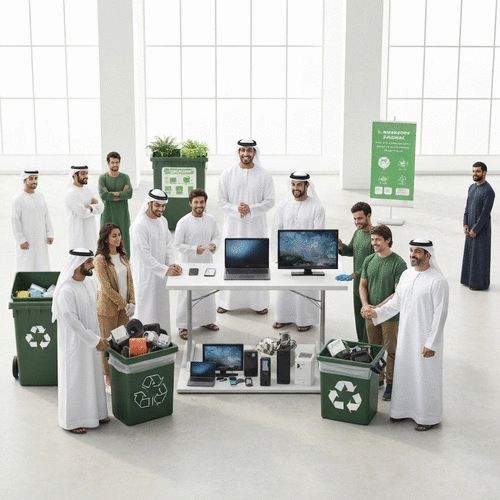
As e-waste continues to grow at an alarming rate, understanding its implications becomes increasingly crucial. The UAE faces unique challenges, yet also opportunities for individuals to make a significant environmental impact through responsible recycling practices.
What You Will Learn
- E-waste includes a variety of discarded electronics, from smartphones to household appliances.
- Improper disposal of e-waste can lead to serious environmental and health risks, including toxic leaching into soil and water.
- The UAE has implemented regulations to manage e-waste, ensuring proper collection and recycling practices.
- Engaging with local e-waste recycling initiatives can greatly contribute to community sustainability efforts.
- Using apps like RECAPP makes it easier to recycle e-waste and track your recycling impact.
- Corporate Social Responsibility (CSR) initiatives can enhance business engagement in sustainable e-waste practices.
Understanding E-Waste Impact and Management in the UAE
The following visual outlines key aspects of e-waste, its environmental and health risks, and the regulatory framework in the UAE.
What is E-Waste?
Discarded electrical/electronic devices. Fastest-growing waste stream globally. Includes phones, laptops, TVs, small appliances. Important for material recovery (metals, plastics).
Environmental & Health Risks
- Harmful substances (lead, mercury) leach into soil/water.
- Toxins cause respiratory issues, neurological damage.
- Developmental problems in children.
UAE E-Waste Regulations
- Federal Law No. 24 of 1999 (Environmental Protection).
- Waste to Zero Initiative (minimizing waste).
- MOCCAE guidelines (collection, treatment, recycling).
Key Actions for Residents
Understanding E-Waste and Its Impact in the UAE
E-waste, or electronic waste, refers to discarded electrical or electronic devices. This includes everything from old mobile phones and laptops to broken televisions and household appliances. As Aliyah Hassan, founder of EcoScrap UAE, emphasizes, understanding e-waste is vital because it significantly impacts our environment and health. With the rapid advancement of technology, e-waste is one of the fastest-growing waste streams globally, and the UAE is no exception. A detailed report on the global e-waste situation, including regional breakdowns, can be found in the Regional E-waste Monitor.
It’s crucial for residents to recognize not only the sheer volume of e-waste generated but also the implications of improper disposal. By recycling or disposing of e-waste responsibly, we contribute to a cleaner environment and a sustainable future.
What is E-Waste and Why is it Important?
Imagine the countless gadgets you’ve replaced over the years. Each one has the potential to become e-waste if not handled properly. E-waste encompasses a variety of items, including:
- Smartphones and tablets
- Computers and laptops
- Televisions and monitors
- Small appliances like microwaves and toasters
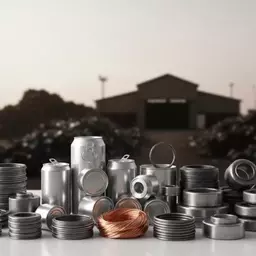
Recycling e-waste is important because it helps recover valuable materials like metals and plastics. These resources can be reused, which reduces the need for new raw materials and minimizes environmental impact.
The Environmental and Health Risks of Improper E-Waste Disposal
Improper disposal of e-waste can lead to serious environmental and health consequences. When electronics end up in landfills, harmful substances such as lead, mercury, and cadmium can leach into the soil and water. These toxins pose significant risks to both our ecosystems and our health. For instance, exposure to these materials can lead to:
- Respiratory issues
- Neurological damage
- Developmental problems in children
By understanding these risks, we can make informed decisions about recycling our electronics and protecting our communities. The importance of sustainable development in addressing these challenges is also highlighted in research available through sources like Wiley Online Library.
Understanding E-Waste Regulations in the UAE
The UAE has implemented several regulations to manage e-waste effectively. These rules ensure that e-waste is collected, treated, and recycled properly. As a resident, it’s essential to be aware of these regulations to ensure compliance and contribute to sustainability efforts. Major regulations include:
- Federal Law No. 24 of 1999 for the Protection and Development of the Environment
- The Waste to Zero Initiative aimed at minimizing waste generation
- Guidelines from the UAE Ministry of Climate Change and Environment
The UAE's commitment to environmental sustainability is further demonstrated by its policy for integrated management of recyclable materials, which provides a comprehensive framework for waste management. Staying informed about these regulations not only helps you dispose of e-waste correctly but also aligns with EcoScrap UAE's mission to promote responsible waste management practices across the region.
Pro Tip
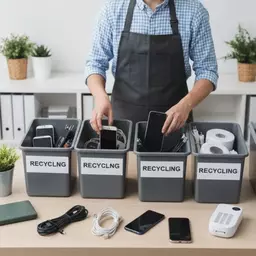
Did you know? Properly storing your e-waste before recycling can make a significant difference. Keep your old electronics in a cool, dry place to prevent any leakage of harmful substances. This simple step not only protects your health but also ensures that the materials can be recycled efficiently.
Frequently Asked Questions (FAQs) about E-Waste in the UAE
Take Action: Join the E-Waste Recycling Movement Today
Are you ready to take part in the e-waste recycling movement? It’s easier than you think! By engaging with local initiatives, you can transform old electronics into valuable resources. Here at EcoScrap UAE, we believe that every effort counts in creating a cleaner, healthier environment for our communities.
Let’s explore some actionable steps you can take right now to make a difference. Whether you’re a resident or a business owner, your involvement is crucial in promoting responsible e-waste disposal!
Download the RECAPP App for Easy Access to E-Waste Solutions
One of the simplest ways to engage in e-waste recycling is by downloading the RECAPP app. This app is designed to make your recycling experience seamless and convenient. Here are some key features:
- Find nearby e-waste drop-off locations
- Schedule pickups for larger items
- Track your recycling impact and rewards
Using RECAPP not only simplifies the recycling process but also allows you to stay informed about ongoing initiatives in your area. Why not give it a try? Together, we can make recycling a part of our daily lives!

Connect with Local Initiatives and Make a Difference in Your Community
Connecting with local initiatives can amplify your impact. Start by reaching out to community organizations focused on sustainability. Here’s how you can get involved:
- Participate in local workshops to learn about e-waste
- Join community clean-up events that include e-waste collection
- Support schools and businesses that promote recycling initiatives
By joining these efforts, you not only contribute to a cleaner environment but also foster community spirit and collaboration. Remember, every small action leads to significant changes!
Corporate Social Responsibility (CSR) Initiatives in E-Waste Recycling
Businesses play a vital role in e-waste management through their Corporate Social Responsibility (CSR) initiatives. Companies can adopt practices that promote recycling and sustainability, including:
- Implementing e-waste take-back programs for customers
- Educating employees on responsible disposal of electronics
- Partnering with local recycling organizations like EcoScrap UAE
When businesses lead by example, they encourage their communities to follow suit. This collective effort can significantly reduce the e-waste burden in our society.
Summary of Benefits and Next Steps for UAE Residents
Now that you understand the importance of e-waste recycling, let’s discuss the benefits of participating in these programs. Not only do they help in protecting our planet, but they also contribute to a healthier community!
How Participating in E-Waste Programs Contributes to a Greener UAE
Participating in e-waste programs has a ripple effect on our environment. Here’s how your involvement can lead to a greener UAE:
- Reduces landfill waste and harmful emissions
- Encourages the recycling of precious materials
- Promotes public awareness about sustainability
By making the decision to recycle, you’re taking an active role in protecting our ecosystem for future generations. Let’s work together to create a sustainable future!
Your Role in Promoting Sustainable Electronics Recycling Practices
Every individual has a role to play in promoting sustainability. Here are a few ways you can advocate for responsible electronics recycling:
- Share information about e-waste initiatives on social media
- Educate friends and family on proper disposal methods
- Encourage local businesses to adopt e-waste recycling practices
As a community, we can elevate the conversation around e-waste and inspire others to join us in this critical movement!
The Importance of Recycling Partnerships for Future E-Waste Management
Collaboration between individuals, businesses, and organizations is essential for effective e-waste management. Establishing strong partnerships ensures:
- Greater outreach and education on recycling efforts
- Increased resources for recycling facilities
- Shared knowledge and best practices for sustainability
At EcoScrap UAE, we are committed to fostering these partnerships to strengthen our community's recycling efforts. Together, we can pave the way for a brighter, more sustainable future!
Recap of Key Points
Here is a quick recap of the important points discussed in the article:
- E-waste encompasses a variety of discarded electronic devices, including smartphones, computers, and appliances.
- Improper disposal of e-waste poses significant environmental and health risks due to toxic substances found in electronics.
- The UAE has established regulations to promote responsible e-waste management and recycling.
- Community involvement and local initiatives can enhance the impact of e-waste recycling efforts.
- Using tools like the RECAPP app makes recycling more accessible and engaging for residents.
- Businesses play a crucial role in e-waste management through CSR initiatives and partnerships with recycling organizations.