What if your discarded electronics could hold the key to a cleaner planet? The rising tide of e-waste in the UAE presents both a challenge and an opportunity for environmental advocates. By understanding the impact of e-waste and how to manage it responsibly, you can play a significant role in promoting sustainability.
What You Will Learn
- E-waste includes a wide range of electronic devices, from smartphones to household appliances, which can harm the environment if not disposed of properly.
- Improper e-waste disposal leads to soil and water contamination, air pollution, and severe health risks for communities near dumping sites.
- In the UAE, e-waste is predicted to reach around 2.5 million tons by 2025, highlighting the urgency for effective management practices.
- Individuals and businesses must follow specific responsibilities under UAE laws, such as using designated collection points and implementing safe disposal systems.
- Extended Producer Responsibility (EPR) encourages manufacturers to consider recyclability in product design and provide clear disposal information to consumers.
- Government recycling programs facilitate proper e-waste disposal, making it easier for residents and businesses to contribute to environmental sustainability.
- Participation in UAE sustainability initiatives fosters a community commitment to reducing waste and promoting responsible consumer behavior.
E-Waste: Global vs. UAE Statistics & Recycling Rates
Understanding the scale of e-waste helps highlight the urgency of responsible disposal. Here's a look at key statistics reflecting the global and local challenge, alongside crucial recycling rates.
Understanding E-Waste and Its Environmental Impact in the UAE
Have you ever thought about what happens to your old electronics after you bid them farewell? This brings us to the term e-waste, which refers to discarded electrical or electronic devices. It's a growing concern in the UAE and worldwide, and understanding it is crucial for our planet's health. As the founder of EcoScrap UAE, I feel compelled to shed light on this pressing issue. Let's dive into the details!
E-waste is not just about the discarded gadgets; it's a complex problem that includes everything from smartphones to large appliances. As technology advances, we often find ourselves upgrading to newer models, leaving behind perfectly functioning devices. This trend contributes significantly to the accumulation of e-waste, which poses both environmental and health risks if not disposed of properly.

What is E-Waste and Why is It a Concern?
E-waste encompasses a plethora of electronic items that can include:
- Smartphones and tablets
- Computers and laptops
- Televisions and monitors
- Household appliances like microwaves and refrigerators
The major concern with e-waste arises from the hazardous materials often found in these devices. When not disposed of correctly, these materials can leach into the soil and waterways, causing severe environmental damage. For example, heavy metals such as lead and mercury are common in electronics and can pose substantial health risks to humans and wildlife alike.
Environmental and Health Implications of Improper E-Waste Disposal
Improper disposal of e-waste can lead to dire consequences for our environment. Here are some of the significant implications:
- Soil and Water Contamination: Toxic substances can seep into the ground, polluting local water sources.
- Air Pollution: Burning these materials to extract valuable components can release harmful emissions.
- Health Risks: Communities near e-waste dumping sites can face serious health problems due to exposure to hazardous chemicals.
At EcoScrap UAE, we emphasize the importance of responsible recycling practices to mitigate these risks. By recycling electronics correctly, we can recover valuable resources and keep our environment safe and healthy!
Key E-Waste Statistics: Understanding the Scope of the Problem
To truly grasp the magnitude of the e-waste issue, consider these alarming statistics:
- Globally, approximately 53.6 million metric tons of e-waste were generated in 2019 alone.
- In the UAE, e-waste is expected to reach around 2.5 million tons by 2025.
- Only about 17.4% of e-waste was formally collected and recycled during 2019.
These numbers highlight the urgency of addressing e-waste management. As individuals and businesses, we all have a role in promoting a cleaner future. Are you ready to join the movement for responsible e-waste recycling? Together, we can make a difference!
We Want to Hear From You!
As we continue to explore the critical topic of e-waste, we want to know your thoughts!
How do you currently dispose of your old electronics? Are you aware of the recycling options available in your area? Share your experiences and tips below:
Navigating UAE Regulations for E-Waste Disposal
Understanding the regulations surrounding e-waste in the UAE is crucial for ensuring that we are all contributing to a cleaner environment. The UAE has implemented several laws and guidelines to manage electronic waste effectively. As a passionate advocate for environmental sustainability, I can assure you that staying informed about these regulations helps us all play our part in this important cause.
To give you a clearer picture, let's dive into some key aspects of the UAE's e-waste regulations and compliance requirements!
Overview of UAE E-Waste Regulations and Compliance
The primary legislative framework governing e-waste management in the UAE is Federal Law No. 24 of 1999 on the Protection and Development of the Environment. This law emphasizes the importance of sustainable waste management practices, particularly in handling hazardous materials found in electronic devices. Compliance with these regulations is not just a legal obligation; it's also a moral one!
- Protecting public health and the environment
- Establishing guidelines for the collection and disposal of e-waste
- Promoting awareness about the impact of improper disposal
These guidelines lay the foundation for responsible e-waste management in the UAE and help individuals and businesses understand their roles in fostering sustainability. For more information on general regulations regarding electronics waste, you can refer to resources from the U.S. Environmental Protection Agency (EPA).
Responsibilities for Individuals and Businesses Under Federal Law No. 24
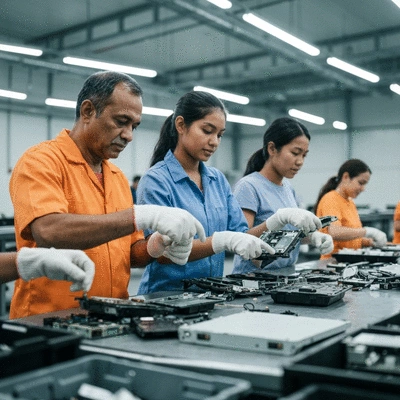
Under Federal Law No. 24, both individuals and businesses have specific responsibilities regarding e-waste disposal. It's essential to understand what is expected from each of us to ensure compliance and contribute to a sustainable future.
- Individuals: Properly dispose of old electronics by using designated collection points.
- Businesses: Implement systems for the safe disposal of e-waste and educate employees about these practices. Understanding universal waste regulations, such as those in California, can offer further insight into best practices for business compliance.
- Both: Report any illegal dumping or improper disposal methods to local authorities.
By adhering to these responsibilities, we can collectively minimize the impact of e-waste on our environment, making the UAE a greener place for everyone!
Exploring Extended Producer Responsibility (EPR) in the UAE
Another critical aspect of e-waste regulations is the concept of Extended Producer Responsibility (EPR). This principle holds manufacturers accountable for the entire lifecycle of their products, from production to disposal. In the UAE, EPR encourages companies to develop sustainable practices that reduce waste.
- Design products with recyclability in mind
- Provide clear information on disposal options to consumers
- Participate in recycling programs to manage e-waste effectively
As an advocate for responsible recycling, I believe that EPR is an important step toward a more sustainable future. It empowers both producers and consumers to make environmentally conscious decisions.
Understanding Government Recycling Programs and Compliance Requirements
The UAE government runs various recycling programs aimed at simplifying e-waste disposal for residents and businesses alike. These programs ensure that e-waste is collected and processed in an environmentally friendly manner. It's important to stay informed about these options to make the most of them!
- Municipal collection points for e-waste
- Partnerships with certified recycling facilities
- Awareness campaigns promoting responsible e-waste disposal
By utilizing these programs, we can each contribute to the reduction of e-waste and its negative environmental impact. For information on regulatory exclusions and alternative standards for recycling materials, including hazardous waste, you can consult resources like the EPA's guidelines on hazardous waste recycling.
Insights into UAE Sustainability Initiatives and Their Role in E-Waste Management
The UAE has launched several sustainability initiatives aimed at promoting recycling and reducing waste, including e-waste. These initiatives align with the country's vision for a sustainable future and reflect a commitment to environmental stewardship.
- The UAE National Climate Change Plan
- Green Economy for Sustainable Development initiative
- Awareness campaigns encouraging responsible consumer behavior
As part of EcoScrap UAE, I see firsthand how these initiatives inspire communities to embrace sustainability in their daily lives. By actively participating in these programs, we can work together to create a cleaner, greener UAE.
Recap of Key Points
Here is a quick recap of the important points discussed in the article:
- Understanding E-Waste: E-waste includes discarded electronic devices, which pose environmental and health risks if not disposed of correctly.
- Environmental Implications: Improper disposal can lead to soil and water contamination, air pollution, and serious health risks for nearby communities.
- UAE Regulations: Federal Law No. 24 emphasizes sustainable waste management and outlines responsibilities for individuals and businesses in e-waste disposal.
- Extended Producer Responsibility (EPR): Manufacturers are accountable for their products' lifecycle, encouraging sustainable practices and recycling.
- Government Programs: Various recycling initiatives exist in the UAE to facilitate e-waste disposal and promote awareness among residents and businesses.