What if a simple act could save countless trees and reduce pollution? The choice between recycling and disposal is more impactful than you might think. Let’s explore how your decisions can contribute to a healthier planet.
What You Will Learn
- Recycling one ton of paper can save up to 17 trees, significantly reducing deforestation.
- Recycling consumes less energy and produces fewer greenhouse gas emissions compared to traditional paper manufacturing.
- Landfill disposal of paper generates methane, a potent greenhouse gas, while recycling cuts emissions by up to 40%.
- Utilizing renewable resources in paper production promotes sustainability and helps close the loop on resource use.
- Implementing effective recycling practices can lead to economic savings for both individuals and communities.
Environmental Impact of Paper Waste: Recycling vs. Disposal
A statistical and comparative overview of the environmental benefits of recycling paper compared to traditional disposal methods, focusing on resource conservation and greenhouse gas emissions.
Resource Conservation: Trees Saved per Ton of Paper Recycled
Up to 17
Trees Saved
Recycling just one ton of paper significantly reduces the need for virgin timber, preserving forests and their vital ecosystems.
Greenhouse Gas Emissions Reduction: Recycling vs. Landfill
Up to 40%
Lower Emissions
Recycling paper drastically cuts down on GHG emissions compared to landfill disposal, where decomposing paper produces potent methane gas.
Energy Consumption: Recycling vs. Producing New Paper
Significant Energy Savings
Recycling paper requires substantially less energy compared to manufacturing new paper from raw materials, leading to reduced overall pollution.
Waste Management: Landfill Pressure Reduction
Alleviates Landfill Burden
Recycling prevents vast quantities of paper from ending up in landfills, extending their lifespan and reducing environmental strain.
Understanding the Environmental Impact of Paper Waste: Recycling vs. Disposal
Have you ever stopped to think about where your used paper goes after you've tossed it in the bin? It's a question that many might overlook, but understanding the environmental impact of paper waste is crucial for making informed decisions. At EcoScrap UAE, we advocate for recycling as a powerful solution to mitigate climate change and reduce waste. When we recycle paper, we not only lessen the demand for new raw materials but also significantly decrease the environmental burden on our planet!
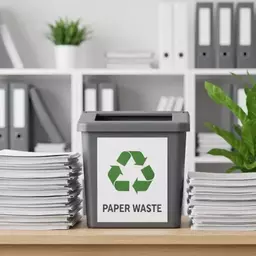
Recycling paper helps conserve energy, saves trees, and reduces greenhouse gas emissions. In fact, for every ton of paper recycled, we can save up to 17 trees! Imagine the difference we can make collectively when we all commit to recycling instead of just disposing of paper waste. It's an easy change that can lead to a more sustainable future!
Why Paper Recycling Matters for Our Planet
Recycling paper is not just an option; it’s a necessity for preserving our environment. According to recent studies, recycling paper can save a staggering amount of energy compared to making new paper from virgin materials. This leads to less pollution and fewer greenhouse gas emissions. Plus, it alleviates the pressure on our landfills, which are rapidly filling up with waste. The EPA provides comprehensive data on waste and recycling, highlighting the significant impact of proper waste management.
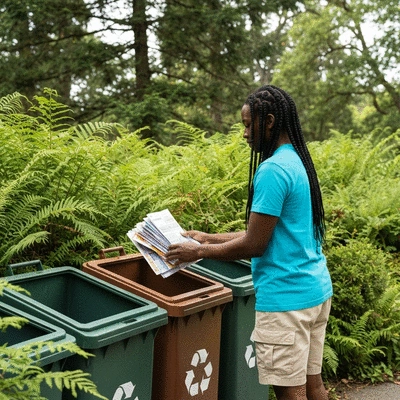
- Conserves natural resources: Recycling reduces the need for tree cutting, thus preserving our forests.
- Reduces energy consumption: It takes less energy to recycle paper than to produce new paper.
- Minimizes pollution: The recycling process emits fewer pollutants than traditional paper manufacturing.
Every piece of paper recycled contributes to these benefits, showing just how vital our efforts are in making a positive change. By choosing to recycle, we can actively participate in a movement that promotes sustainability for generations to come!
Assessing Greenhouse Gas Emissions: A Comparison of Methods
When we look at the methods of disposing of paper waste, it’s essential to understand their environmental impacts, particularly in terms of greenhouse gas (GHG) emissions. Recycling paper drastically reduces GHG emissions compared to landfill disposal and incineration. In fact, studies suggest that recycling paper can cut emissions by up to 40% when compared to sending it to a landfill! You can explore more about the impact of paper and paperboard waste on the environment through the EPA's detailed material-specific data.
Here’s a quick comparison of the GHG emissions associated with different paper disposal methods:
- Recycling: Significantly lowers emissions, promoting a cleaner environment.
- Landfill: Produces methane, a potent greenhouse gas, as paper decomposes.
- Incineration: Releases CO2 and other harmful pollutants into the atmosphere.
By understanding these differences, we can better appreciate the tangible benefits of recycling paper. It’s a simple yet effective way to combat climate change and protect our environment!
The Role of Renewable Resources in Sustainable Paper Management
Utilizing renewable resources in the paper industry is a cornerstone of sustainability. When we recycle paper, we not only reduce waste but also promote the use of materials that can be replenished naturally. This means we can create new paper products without depleting our planet's precious resources. The paper industry continually announces new recycling rates, reflecting ongoing efforts toward sustainability and the use of renewable resources. EcoScrap UAE actively encourages this approach in our recycling practices.
Here are a few ways renewable resources play a role in sustainable paper management:
- Recycled fibers: Using recycled fibers reduces the need for virgin materials, saving trees and water.
- Eco-friendly materials: Many companies are turning to sustainable alternatives like agricultural residues for paper production.
- Waste-to-energy solutions: Some recycled paper can be converted into energy, closing the loop on resource use.
By embracing renewable resources, we can not only improve the sustainability of the paper industry but also foster a circular economy where waste is minimized, and resources are continuously reused. Together, let's champion this approach for a greener, more sustainable future!
Pro Tip
Did you know that you can make a significant impact on the environment by simply keeping your paper clean and dry before recycling? Contaminated paper, such as that which is greasy or has food residue, can ruin entire batches of recycling. So, take a moment to ensure your paper is clean—this small effort can lead to much larger recycling outcomes!
Frequently Asked Questions (FAQs)
Summarizing the Benefits of Recycling Over Disposal
Recycling paper offers immense environmental and economic advantages compared to traditional disposal methods. By choosing to recycle, we can significantly reduce landfill waste, conserve natural resources, and lower greenhouse gas emissions. Many people might not realize that a simple act of recycling can lead to a cleaner planet for future generations!
- Environmental Protection: Recycling prevents paper from ending up in landfills, where it can take years to decompose, releasing harmful gases in the process.
- Resource Conservation: By recycling, we reduce the need for virgin materials, preserving forests and minimizing the impact on our ecosystems.
- Economic Savings: Recycling can lead to cost savings for businesses and municipalities by reducing waste disposal fees and generating revenue from recycled materials.
In summary, making informed decisions about paper disposal and recycling can positively impact our environment and economy. At EcoScrap UAE, we are committed to promoting responsible recycling practices that foster a sustainable future for our communities.
Encouraging Action: What You Can Do to Support Paper Recycling
Every individual can contribute to the recycling movement by taking actionable steps in their communities! By advocating for better recycling practices and encouraging others to join in, we can create a significant ripple effect. Here are some practical ways you can support paper recycling:
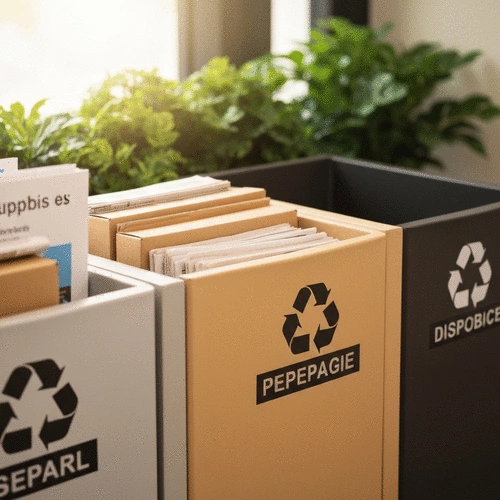
- Sort Your Waste: Set up an organized recycling system at home. Designate bins for paper, plastics, and metals to simplify the recycling process.
- Educate Others: Share your knowledge about the benefits of recycling with friends and family. Awareness is key to changing behaviors!
- Advocate for Change: Contact local policymakers to encourage the implementation of better recycling policies. Your voice matters!
By implementing these steps, you’ll not only enhance your recycling efforts but also inspire those around you to make a difference. Remember, every small action counts towards a greater cause!
Engaging in Public Awareness Campaigns for Recycling
Public awareness campaigns play a crucial role in promoting recycling and reducing waste. They can motivate individuals to adopt better recycling habits and understand the environmental impact of their choices. For example, campaigns can:

- Educate the Community: Inform residents about what materials can be recycled and how to prepare them for collection.
- Highlight Success Stories: Share positive outcomes and statistics from local recycling initiatives to inspire others.
- Promote Events: Organize recycling drives or community clean-up events to engage citizens actively in recycling efforts.
At EcoScrap UAE, we believe that collaboration and education are key to fostering a sustainable culture of recycling. Together, we can help reshape perceptions and encourage long-term commitment to recycling in our communities!
Final Thoughts: The Future of Paper Waste Management
As we reflect on the future of paper waste management, it's clear that consumer behavior and effective policy changes are vital for enhancing recycling efforts. The recycling landscape is constantly evolving, influenced by new technologies and innovative practices. By staying informed and engaged, we can collectively work towards a more sustainable future. Let's embrace the changes and continue to advocate for responsible recycling practices that benefit both our planet and our economy!
Recap of Key Points
Here is a quick recap of the important points discussed in the article:
- Environmental Impact: Recycling paper conserves energy, saves trees, and reduces greenhouse gas emissions.
- Resource Conservation: Recycling reduces the need for virgin materials, thus preserving forests and minimizing ecosystem impact.
- Lower Greenhouse Gas Emissions: Recycling significantly reduces GHG emissions compared to landfill disposal and incineration.
- Economic Advantages: Recycling can lead to cost savings for businesses and municipalities by lowering waste disposal fees.
- Community Engagement: Advocating for recycling and educating others can foster a culture of sustainability.