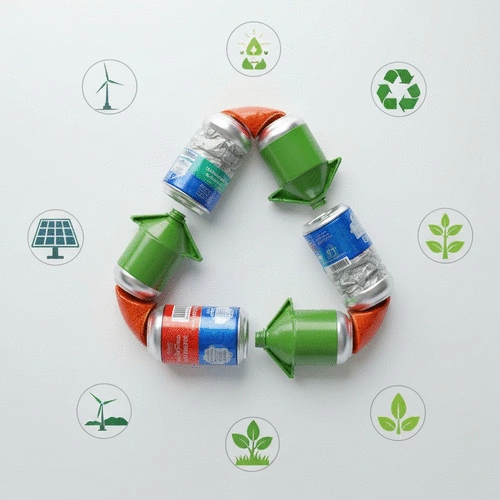
Are you aware that the transition to a circular economy can significantly reduce waste while enhancing economic growth? Understanding the principles behind this shift can empower you to contribute to a more sustainable future.
What You Will Learn
- The circular economy model emphasizes minimizing waste and maximizing resource use through effective recycling practices.
- Implementing sustainable practices can lead to significant reductions in environmental impact and foster community well-being.
- Key principles include minimizing waste, designing for longevity, and embracing innovative recycling technologies.
- Participation in recycling efforts is vital for achieving the UAE Vision 2021 goals, promoting a cleaner and more sustainable environment.
- Recycling not only conserves natural resources but also stimulates economic growth by creating jobs and encouraging community engagement.
- Aligning recycling initiatives with the United Nations’ Sustainable Development Goals can enhance global sustainability efforts.
- Individuals and businesses can engage in practical recycling steps to contribute meaningfully to the circular economy.
UAE's Circular Economy Pillars & Benefits
The UAE's commitment to a circular economy is built upon core principles and offers significant advantages for both the environment and its economy, as outlined in the UAE Circular Economy Policy.
Key Principles Guiding UAE's Circular Economy Strategy
Minimize Waste
Reduce waste generation at the source.
Design for Longevity
Products with longer lifespans & recyclability.
Innovation
Embrace new tech to enhance recycling processes.
Economic Benefits
Resource Conservation
Reduces need for raw material extraction.
Economic Growth
Creates jobs & boosts local economies.
Community Engagement
Fosters awareness & involvement.
Environmental Benefits
Waste Reduction
Minimizes materials sent to landfills.
Pollution Reduction
Lowers emissions & contributes to cleaner environment.
Resource Efficiency
Saves energy & decreases greenhouse gas emissions.
Understanding the UAE's Vision for a Circular Economy
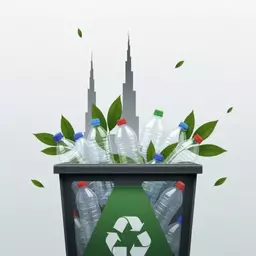
As someone deeply invested in the recycling industry, I find it crucial to understand the concept of a circular economy and its significance. The circular economy is a model that emphasizes minimizing waste and maximizing resource use through recycling, reusing, and refurbishing materials. In the UAE, this vision isn't just a trend; it’s an essential pathway toward sustainability, economic growth, and ecological balance. The UAE Circular Economy Policy provides a comprehensive overview of this national initiative.
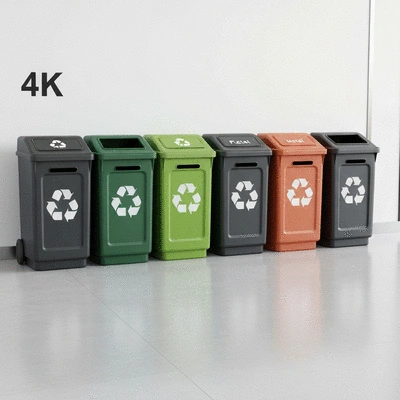
This model allows us to rethink how we handle waste, encouraging us to view discarded materials not as trash, but as valuable resources. By adopting sustainable practices, we can significantly reduce our environmental impact and contribute to the well-being of our communities.
What is the Circular Economy and Why Does it Matter?
The circular economy seeks to create a closed-loop system where products, materials, and resources are reused and recycled continuously. This approach mitigates the negative impacts of traditional linear economies, where resources are extracted, used, and disposed of. It's a shift that is needed now more than ever!
- Resource Efficiency: Reducing the demand for new raw materials saves energy and decreases greenhouse gas emissions.
- Waste Reduction: This model minimizes waste by keeping materials in circulation.
- Economic Resilience: A circular economy can lead to new business opportunities and jobs in recycling and waste management.
By understanding these principles, individuals and businesses alike can align with the UAE’s goals and contribute to a more sustainable future.
Key Principles Guiding the UAE’s Circular Economy Strategy
The UAE's vision for a circular economy is driven by several key principles that support sustainable development across various sectors. These principles are not just guidelines; they are actionable items we can integrate into our daily lives and business practices.
- Minimize Waste: Efforts are in place to reduce waste generation at the source.
- Design for Longevity: Products are developed with longer lifespans and recyclability in mind.
- Innovation: Embracing new technologies and practices to enhance recycling processes.
In my work with EcoScrap UAE, I see firsthand how these principles are essential for businesses and communities aiming for sustainability.
UAE Vision 2021: A Framework for Sustainable Development
The UAE Vision 2021 sets forth an ambitious framework for sustainable development, underlining the importance of a circular economy. This initiative aims to create a sustainable environment and infrastructure, promoting innovation and research in waste management. The UAE Circular Economy Council regularly discusses new plans and proposals for implementing the circular economy policy.
The vision includes specific goals such as increasing recycling rates and reducing waste sent to landfills. By actively participating in these efforts, we can all play a role in achieving these objectives.
- Promote Recycling: Encourage both businesses and individuals to adopt recycling practices.
- Enhance Public Awareness: Educate the community about the importance of waste management.
- Foster Collaboration: Engage stakeholders from various sectors to work towards common sustainability goals.
As an advocate for responsible waste management, I believe that by aligning our actions with these principles, we can help create a cleaner, greener UAE.
Pro Tip
Did you know? Implementing a simple sorting system at home for recyclable materials can significantly increase your recycling efforts. Take the time to label bins for paper, plastics, and metals, and involve your family in this initiative. Making recycling a fun and educational activity can foster a sense of responsibility and community engagement!
Envisioning a Sustainable Future through Recycling
As we look forward to a sustainable future for the UAE, recycling stands out as a crucial pillar. Not only does recycling help reduce waste, but it also plays a vital role in conserving natural resources and promoting environmental health. By embracing recycling, we can transform our waste into valuable resources and contribute to a circular economy that benefits both our communities and the planet.
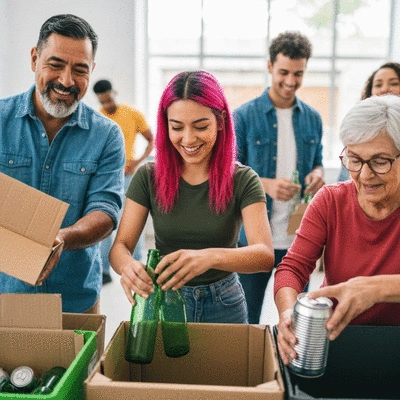
According to recent studies, recycling can significantly enhance economic outcomes. This is not just a win for the environment; it's also a win for the economy! Imagine less waste in landfills, more jobs in the recycling sector, and a healthier ecosystem for future generations. The impact of recycling is profound, and it is something we can all champion.
The Economic and Environmental Benefits of Recycling for the UAE
Recycling in the UAE presents a wealth of economic and environmental benefits. Here are some of the key advantages:
- Resource Conservation: Recycling helps conserve valuable materials, reducing the need for raw material extraction and minimizing environmental disruption.
- Economic Growth: The recycling industry creates jobs, boosts local economies, and encourages innovation in sustainable practices.
- Pollution Reduction: By recycling, we can lower pollution levels and decrease greenhouse gas emissions, contributing to a cleaner environment.
- Community Engagement: Recycling initiatives foster community involvement and awareness about waste management and sustainability.
At EcoScrap UAE, we are committed to these benefits and actively work to promote sustainable waste management practices. Our recycling services are designed not just to manage waste but to create a positive impact on our economy and environment.
Aligning Recycling with the Sustainable Development Goals
The Sustainable Development Goals (SDGs) set by the United Nations provide a comprehensive framework for achieving a better and more sustainable future for all. Recycling plays a critical role in several of these goals, including:
- Goal 11: Sustainable Cities and Communities - Recycling helps create cleaner, more sustainable urban environments.
- Goal 12: Responsible Consumption and Production - Promoting recycling encourages more responsible consumption habits.
- Goal 13: Climate Action - Recycling reduces the carbon footprint associated with waste disposal and material production.
As we engage in recycling practices, we are not only contributing to our local community but also taking steps towards achieving global sustainability targets. At EcoScrap UAE, we believe that every action counts, and together, we can make a significant difference!
Join the Movement: How You Can Contribute to UAE's Circular Economy
Are you ready to be part of the solution? Engaging in recycling is easier than you might think, and it starts with small, actionable steps that you can take today!
Practical Steps for Individuals and Businesses to Engage in Recycling
Here are some practical steps for both individuals and businesses to get involved in recycling:
- Start at Home: Set up a dedicated recycling station for paper, plastics, and metals.
- Educate Yourself: Learn about local recycling guidelines to ensure you’re recycling correctly.
- Involve Your Community: Organize or participate in local recycling drives and educational workshops.
- Partner with EcoScrap UAE: Collaborate with us for efficient recycling solutions tailored to your needs!
Taking these steps not only helps the environment but also inspires others to join you in making a difference. Together, we can cultivate a culture of sustainability!
Access Resources and Toolkits for Effective Recycling Practices
To make recycling even more effective, it’s important to access the right resources and tools. At EcoScrap UAE, we provide various resources, including:
- Recycling guides that outline what materials can be recycled.
- Workshops and training sessions for businesses on sustainable waste management practices.
- Regular updates on local recycling programs and initiatives.
These tools empower individuals and organizations to become more effective recyclers and contribute to our shared sustainability goals!
Community Recycling Programs: Engaging Local Communities in Sustainable Practices
Community recycling programs are essential for fostering collective responsibility towards waste management. Engaging local communities can take many forms:
- Organizing community clean-up events to raise awareness about recycling.
- Setting up neighborhood recycling competitions to encourage participation.
- Creating educational campaigns that highlight the benefits of recycling.
At EcoScrap UAE, we love working closely with our local communities to develop these programs. Together, we can nurture a culture of sustainability and inspire change that lasts!
Frequently Asked Questions About the Circular Economy and Recycling in the UAE
- What is a circular economy?
- A circular economy is an economic model that aims to minimize waste and maximize resource use by continuously reusing, recycling, and refurbishing materials, moving away from the traditional linear "take-make-dispose" model.
- How does the circular economy benefit the UAE?
- For the UAE, the circular economy offers significant advantages such as increased resource efficiency, reduced environmental impact, economic growth through new job creation and business opportunities in recycling, and enhanced community well-being.
- What are the key principles of the UAE's circular economy strategy?
- The strategy is guided by principles such as minimizing waste generation at the source, designing products for longevity and recyclability, and embracing innovative technologies to improve recycling processes.
- How does recycling contribute to the UAE Vision 2021?
- Recycling is crucial for achieving the UAE Vision 2021's goals of creating a sustainable environment and infrastructure. It helps increase recycling rates, reduce waste sent to landfills, and promotes public awareness and collaboration for sustainable waste management.
- What are the economic benefits of recycling?
- Recycling contributes to economic growth by conserving valuable raw materials, creating jobs in the recycling and waste management sectors, boosting local economies, and fostering innovation in sustainable practices.
- How can individuals and businesses contribute to the circular economy in the UAE?
- Individuals can start by setting up home recycling stations and educating themselves on local guidelines. Businesses can collaborate with recycling services like EcoScrap UAE, implement sustainable waste management practices, and participate in community recycling initiatives.
Recap of Key Points
Here is a quick recap of the important points discussed in the article:
- Circular Economy Concept: Emphasizes minimizing waste and maximizing resource use through recycling, reusing, and refurbishing materials.
- Key Principles: Minimize waste, design for longevity, and embrace innovation to enhance recycling processes.
- UAE Vision 2021: A framework promoting recycling practices, increasing recycling rates, and reducing waste sent to landfills.
- Economic Benefits: Recycling contributes to economic growth, job creation, and resource conservation while reducing pollution.
- Community Engagement: Involvement in local recycling programs fosters collective responsibility and inspires sustainable practices.