As we embrace a future where sustainability is at the forefront, the role of innovative technologies in waste management becomes ever more crucial. Are you ready to explore how smart solutions can transform our recycling efforts and benefit our environment?
What You Will Learn
- How smart waste management integrates technologies like AI and IoT to optimize recycling processes.
- The significant benefits of real-time data tracking in waste collection and management.
- The impact of AI-powered sorting systems on enhancing recycling rates and reducing contamination.
- How community engagement and education play a vital role in promoting responsible recycling practices.
- Key initiatives by UAE authorities and their role in advancing sustainable waste management.
- The ambitious landfill diversion goals set by the UAE and the environmental benefits of achieving them.
- Challenges faced in public adoption of smart waste management solutions and potential strategies to overcome them.
- The future projections for waste management in the UAE and how they can inspire global practices.
UAE's Smart Waste Management Initiatives and Goals
This visual highlights key initiatives, contributing entities, and strategic targets driving the UAE's smart waste management transformation.
Strategic Goal: 75% Landfill Diversion by 2025
Key Role of AI & IoT
AI-powered sorting for enhanced efficiency, IoT sensors for real-time fill-level data & route optimization.
Robotics in Waste Management
High-speed, accurate sorting, reducing reliance on manual labor, increasing efficiency.
Key Stakeholders & Innovations
Dubai Municipality
Solar-powered waste bins for cost reduction and renewable energy promotion.
Abu Dhabi
Community engagement, workshops, and incentives for recycling participation.
Khalifa University
Machine intelligence projects for enhanced predictive analytics and sorting technologies.
Digital Platforms
Real-time tracking, educational resources, and community engagement for users.
Transforming Recycling with Smart Waste Management Technologies in the UAE
In recent years, the concept of smart waste management has taken center stage in the UAE, revolutionizing how we approach recycling. Smart waste management technologies involve using innovative systems, such as AI and IoT, to enhance recycling efforts and streamline waste collection processes. These advancements not only improve efficiency but also contribute to a cleaner and more sustainable environment for future generations.
At EcoScrap UAE, I am thrilled to see these technologies making a tangible difference in our communities. By integrating these smart solutions, we can transform how we view waste and encourage responsible disposal practices across the nation!
Understanding Smart Waste Management: A Brief Overview
Smart waste management combines cutting-edge technology with traditional recycling methods to optimize waste handling. This includes tools and systems designed to monitor and analyze waste generation patterns, ultimately leading to better environmental outcomes. Here are a few significant aspects of smart waste management:
- Real-time tracking of waste levels in bins
- Data analysis for efficient collection routes
- Improved recycling rates through AI-powered sorting systems
By leveraging these technologies, we can not only reduce the volume of waste sent to landfills but also enhance the overall recycling experience for residents and businesses in the UAE. The UAE government's commitment to clean technology and environmental initiatives, as highlighted by resources like the U.S. International Trade Administration's country commercial guide, plays a crucial role in supporting these advancements.
The Role of AI and IoT in Revolutionizing Recycling
How AI-Powered Sorting Improves Efficiency
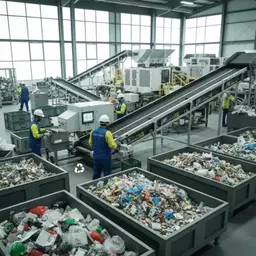
AI-powered sorting technologies are game-changers in the recycling industry. These systems can quickly analyze and identify materials, significantly enhancing the efficiency of sorting processes. With the ability to process large volumes of materials more accurately than manual sorting, AI helps to minimize contamination, which is crucial for successful recycling.

As a recycling advocate, I can attest to the importance of reducing contamination in recyclable materials. It's a small step that can lead to significant improvements in recycling rates and quality!
IoT Sensors in Smart Bins: Monitoring and Optimization
IoT sensors play an essential role in smart waste management by providing real-time fill-level data for bins. These sensors enable waste management companies to optimize collection routes and schedules, reducing fuel costs and unnecessary pickups. Here’s how IoT sensors benefit waste collection:
- Real-time monitoring of fill levels
- Data-driven route optimization for collection
- Reduced operational costs and carbon footprint
This proactive approach to waste management not only saves resources but also encourages a more sustainable lifestyle for residents in the UAE.
Advanced Waste Sorting Systems and Robotics in Waste Management
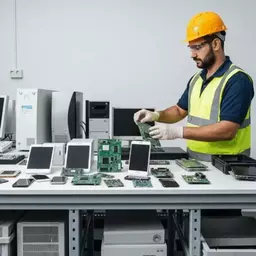
Robotics and advanced sorting systems are transforming the way we process waste in the UAE. These technologies can handle a high volume of materials with precision, significantly improving recycling rates. By incorporating robotics, waste management facilities can:
- Enhance sorting speed and accuracy
- Decrease reliance on manual labor
- Increase overall efficiency in waste processing
It's inspiring to witness how these advancements contribute to a more organized and effective recycling ecosystem!
Innovative Initiatives by UAE Authorities
Dubai Municipality's Solar-Powered Waste Bins: A Case Study
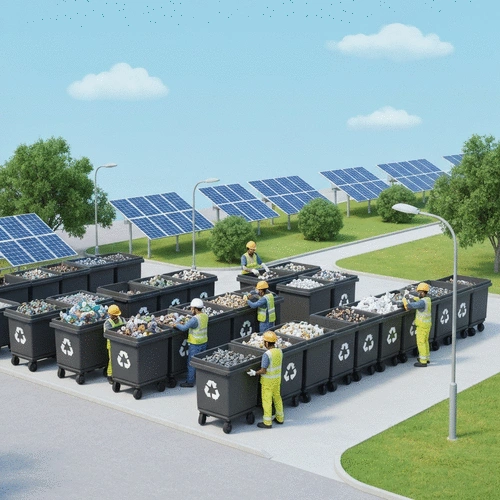
Dubai Municipality has taken significant strides in promoting sustainability through its solar-powered waste bins. These bins not only harness renewable energy for their operations but also incorporate smart technology to monitor waste levels. The benefits of these solar-powered bins include:
- Reduction in operational costs
- Promotion of renewable energy
- Enhancing the city's waste collection efficiency
This initiative is a fantastic example of how local authorities can lead by example and inspire community involvement in recycling efforts.
Abu Dhabi's Waste Management Initiatives and Community Engagement
Abu Dhabi is equally committed to sustainable waste practices, focusing on community engagement strategies. By involving residents in recycling programs and awareness campaigns, the city has fostered a culture of sustainability. Key initiatives include:
- Community workshops on recycling best practices
- Incentives for recycling participation
- Collaboration with local businesses for waste reduction
These efforts not only empower individuals but also strengthen the community’s commitment to a greener future!
Khalifa University’s Machine Intelligence Project
Khalifa University is at the forefront of research and development in waste management technologies. Their ongoing projects aim to develop machine intelligence solutions that can analyze waste patterns and improve recycling efficiency. The implications of this research are vast, including:
- Enhanced predictive analytics for waste generation
- Innovative sorting technologies to improve recycling rates
- Research-driven policies to support sustainable practices
It’s exciting to see academia contributing to real-world solutions that can lead to a more sustainable UAE!
Environmental Benefits of Smart Waste Management Solutions
Achieving the 75% Landfill Diversion Goal
The UAE has set ambitious goals for landfill diversion, aiming to divert 75% of waste from landfills by 2025. Achieving this target is crucial for both economic and environmental reasons. The benefits include:
- Reduction in waste disposal costs
- Conservation of natural resources
- Improved public health outcomes
By adopting smart waste management solutions, we can move closer to this goal and protect our beautiful landscape. The UAE government's national agenda, as detailed on the official UAE portal for waste management, clearly outlines these environmental objectives and strategies.
CO2 Reduction and Waste-to-Energy Implications
Smart technologies play a vital role in CO2 reduction efforts. By optimizing waste management processes, we can decrease emissions associated with waste collection and processing. Furthermore, the potential for waste-to-energy conversion presents an exciting opportunity for sustainable energy production. Here are some important aspects:
- Harnessing energy from waste materials
- Reducing reliance on fossil fuels
- Contributing to a circular economy
These advancements not only support efficient waste management but also pave the way for a greener future.
The Circular Economy and Its Role in Sustainable Development
Smart waste management aligns closely with the principles of the circular economy, which emphasizes resource recovery and waste reduction. By promoting recycling and responsible disposal, we can create a sustainable system that benefits both the economy and the environment. Main aspects include:
- Reducing resource extraction and consumption
- Encouraging innovation in recycling processes
- Creating jobs in the green economy
As we embrace these principles, we can foster sustainable development and protect our planet! The UAE Circular Economy Council actively discusses and proposes new plans for implementing the Circular Economy Policy 2021-2031, showcasing the nation's commitment to these sustainable practices.
Challenges in Public Adoption and Implementation
Addressing Vandalism and Public Awareness
Despite the many benefits of smart waste management, challenges remain in public adoption. Vandalism and a lack of awareness can hinder the effectiveness of these initiatives. To address these issues, communities can implement:
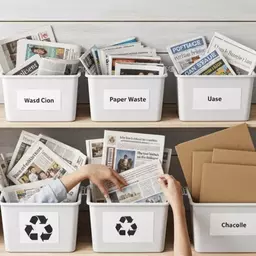
- Educational campaigns to raise awareness
- Incentives for responsible use of waste facilities
- Community engagement initiatives to foster ownership
By working together, we can build a sense of responsibility and pride in our waste management systems.
Regulatory Frameworks and Cost-Benefit Analysis
For smart waste management to thrive, a supportive regulatory framework is essential. Policymakers must consider the cost-benefit implications of implementing new technologies. Key considerations include:
- Establishing guidelines for technology adoption
- Assessing the economic impact of waste reduction strategies
- Encouraging public-private partnerships for innovation
Supporting these frameworks will ensure that our waste management practices are sustainable and effective for years to come!
Frequently Asked Questions (FAQs)
- What is smart waste management?
- Smart waste management integrates advanced technologies like AI and IoT with traditional recycling methods to optimize waste collection, sorting, and overall handling, leading to better environmental outcomes.
- How do AI and IoT contribute to recycling in the UAE?
- AI-powered sorting systems enhance efficiency by accurately identifying and separating materials, reducing contamination. IoT sensors in smart bins provide real-time fill-level data, enabling optimized collection routes and reduced operational costs.
- What are the UAE's main goals for waste management?
- The UAE aims to divert 75% of waste from landfills by 2025, reduce CO2 emissions, foster a circular economy, and increase public engagement in recycling initiatives. These goals are part of a broader strategy for sustainable development.
- How do solar-powered waste bins contribute to sustainable waste management?
- Solar-powered waste bins, as implemented by Dubai Municipality, use renewable energy for their operations and incorporate smart technology to monitor waste levels. This reduces operational costs, promotes green energy, and enhances collection efficiency.
- What role does community engagement play in smart waste management?
- Community engagement is crucial for the success of smart waste management initiatives. Through workshops, incentives, and awareness campaigns, residents are encouraged to participate actively in recycling programs, fostering a culture of sustainability and responsible waste disposal.
We Want to Hear From You!
What do you think about the adoption of smart waste management technologies in your community? Share your thoughts below:
Looking Ahead: The Future of Waste Management in the UAE
As we look towards the future, the waste management landscape in the UAE is poised for significant transformation. With ambitious strategic goals set for 2030, the UAE aims to become a global leader in sustainable waste practices. Our commitment at EcoScrap UAE aligns perfectly with these initiatives, as we strive to enhance our services and contribute to a cleaner environment for future generations.

In order to meet these goals, key focus areas include improving recycling rates, reducing landfill dependency, and embracing innovative technologies. By adopting a holistic approach that combines community engagement and advanced solutions, the UAE is setting an example for others to follow.
Future Projections and Strategic Goals
The UAE’s waste management strategy is evolving rapidly, and several projected goals will shape our journey to 2030:
- Increase Recycling Rates: The target is to recycle at least 75% of waste generated.
- Reduce Landfill Waste: Aiming to minimize waste sent to landfills by promoting better waste separation and resource recovery.
- Enhance Public Engagement: Increasing awareness and participation in recycling initiatives among residents.
- Invest in Research and Development: Supporting innovative technologies that optimize waste management processes.
These strategic goals not only enhance waste management but also foster a culture of sustainability. As residents, you can play a vital role in achieving these targets by actively participating in local recycling programs!
Comparative Insights with GCC Neighbors
When we compare the waste management strategies in the UAE with those of our Gulf Cooperation Council (GCC) neighbors, we can see both challenges and opportunities. Countries like Saudi Arabia and Qatar are also making strides in this area, focusing on:
- Increased Investment: Many GCC nations are investing heavily in waste-to-energy projects.
- Public-Private Partnerships: Collaborations between governments and private companies to enhance recycling efforts.
- Regulatory Frameworks: Introducing policies that facilitate and incentivize recycling.
This comparative analysis helps us understand best practices and areas where we can improve further. At EcoScrap UAE, we continuously monitor these developments to adapt and enhance our recycling services accordingly.
Leveraging Digital Waste Management Platforms for Enhanced Recycling
In this digital age, technology plays a crucial role in promoting effective recycling practices. Mobile applications and digital solutions are emerging tools that can significantly contribute to waste management efforts. Some key benefits include:
- Real-time Tracking: Users can track their recycling habits and receive instant feedback on their contributions.
- Educational Resources: Apps often provide information on how to recycle different materials correctly.
- Community Engagement: Digital platforms can foster a sense of community by connecting users and organizing local recycling events.
At EcoScrap UAE, we are excited about the potential of these technologies. By leveraging digital platforms, we can enhance our services and make recycling easier and more accessible for everyone!
Recap of Key Points
Here is a quick recap of the important points discussed in the article:
- Smart waste management technologies, including AI and IoT, significantly enhance recycling efforts and waste collection processes.
- AI-powered sorting systems improve efficiency by minimizing contamination and enhancing recycling rates.
- IoT sensors in smart bins enable real-time monitoring, optimizing collection routes and reducing operational costs.
- Robotics and advanced sorting systems boost sorting speed and accuracy, fostering a more effective recycling ecosystem.
- Community engagement initiatives, such as workshops and incentives, empower residents to actively participate in recycling efforts.
- The UAE aims to divert 75% of waste from landfills by 2025, promoting sustainable practices and a circular economy.
- Supportive regulatory frameworks and public awareness campaigns are crucial for the successful adoption of smart waste management solutions.