What if the old tech you toss aside could be transformed into valuable resources? Understanding the impact of e-waste is crucial for a cleaner future. Here’s how you can contribute to responsible disposal and recycling.
What You Will Learn
- E-waste includes various discarded electronics, such as smartphones, laptops, and household appliances.
- The UAE generates over 70,000 tons of e-waste annually, a figure set to rise with increasing consumer electronics.
- Improper disposal of e-waste can lead to soil and water contamination, posing significant environmental and health risks.
- Toxic substances in e-waste, like lead and mercury, can cause serious health issues, including neurological damage.
- Future e-waste management in the UAE requires community involvement and education to improve recycling practices.
- Public-private partnerships and innovative recycling solutions are essential for enhancing e-waste recycling capabilities.
E-Waste in the UAE: Key Insights and Impacts
The UAE faces a growing e-waste challenge. The visual below highlights the scale of e-waste generation, major environmental impacts, and key toxic substances involved.
E-Waste Generation in UAE Annually
70,000+ tons
(Expected to grow with increased device acquisition)
Key Environmental Impacts
- Soil & Water Contamination
- Increased Pollution Levels
- Long-term Health Risks
Toxic Substances in E-Waste
- Lead (Nervous System Damage)
- Mercury (Neurotoxin, Cognitive Impairment)
- Cadmium (Kidney Damage, Bone Disease)
Future Predictions for E-Waste Recycling Beyond 2026
- Increased Public-Private Partnerships
- Development of Smart Recycling Bins
- More Consumer Incentives (e.g., Trade-ins)
- Rising Community Engagement
Understanding the E-Waste Crisis in the UAE
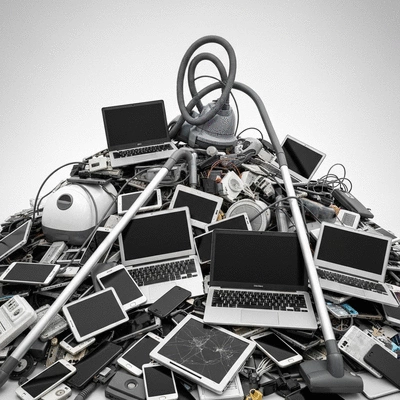
Have you ever stopped to think about what happens to your old electronics? E-waste, or electronic waste, refers to discarded electrical or electronic devices. This includes everything from broken smartphones to old laptops. Unfortunately, e-waste is becoming a significant problem globally, and here in the UAE, the situation is no different. Many of us are unaware of the sheer volume of e-waste generated and the critical issues that arise from mismanaging it.
But why is e-waste such a concern? First, it contains valuable materials that can be recycled, yet the improper disposal of these items contributes to environmental degradation and health hazards. As an environmental advocate with EcoScrap UAE, I believe it’s essential to understand the implications of e-waste and how we can tackle this challenge together!
What is E-Waste and Why is it a Problem?
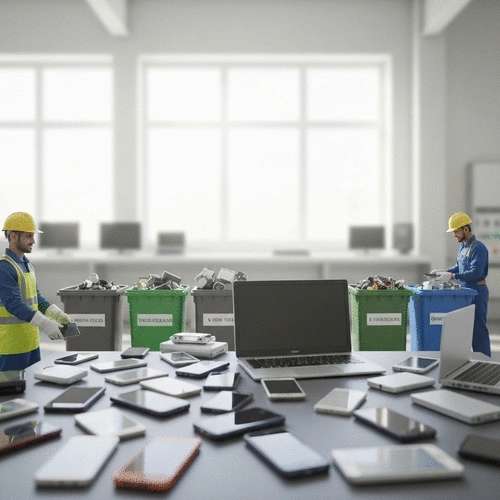
E-waste encompasses a wide range of discarded electronics, including:
- Computers and laptops
- Mobile devices and tablets
- Televisions and monitors
- Household appliances like microwaves and refrigerators
Each of these items can leak harmful substances if not disposed of correctly. Improper e-waste disposal can lead to serious environmental and health issues, making it a pressing problem that needs our immediate attention.
The Scale of E-Waste Generation in the UAE
Did you know that the UAE generates over 70,000 tons of e-waste each year? This number is expected to grow as more households acquire electronic devices, as highlighted in The Global E-waste Monitor 2024, which also notes that electronic waste is rising five times faster than documented e-waste recycling. It's crucial to acknowledge that our consumer habits contribute to this escalating crisis. The more devices we own, the more waste we produce, and the challenge becomes finding responsible ways to recycle these materials.
Many residents still believe that throwing e-waste in the regular trash is acceptable. However, it’s important to educate ourselves and others about sustainable disposal methods. This is where EcoScrap UAE aims to make a difference, providing reliable recycling solutions that support our communities and the environment!
Environmental Impacts of E-Waste Mismanagement
Mismanaged e-waste poses grave threats to our environment, leading to contamination of soil and water sources. Here are some of the key risks associated with improper e-waste disposal:
- Release of hazardous chemicals into the soil and water systems
- Increased pollution levels affecting local wildlife
- Long-term health risks for communities living near dumping sites
Understanding these impacts is vital. We each have the power to mitigate these risks by making informed disposal choices.
Soil and Water Contamination Risks
When electronics end up in landfills, toxic substances like lead, mercury, and cadmium can leach into the soil and waterways. This contamination can harm local ecosystems and potentially affect our drinking water supplies. As an advocate for responsible waste management, I urge everyone to think twice before discarding electronics improperly!
Health Effects from E-Waste Exposure
Exposure to the toxic materials found in e-waste can lead to serious health concerns, including neurological damage and respiratory issues. Communities with high levels of e-waste pollution are at a greater risk of these health problems. We need to be proactive in addressing this issue—starting with proper recycling practices.
Toxic Substances Found in E-Waste and Their Risks
Common toxic substances present in e-waste include:
- Lead: Can cause damage to the nervous system and is particularly harmful to children.
- Mercury: A potent neurotoxin that can result in severe health issues including cognitive impairment.
- Cadmium: Exposure can lead to kidney damage and bone disease.
By recycling electronics through services like EcoScrap UAE, we can safely process these materials and mitigate their harmful effects. Together, let's make a commitment to responsible e-waste disposal!
Pro Tip
Did you know? Properly recycling just one million laptops can save the energy equivalent to the electricity used by more than 3,500 U.S. homes in a year. Make sure to utilize local e-waste recycling programs like EcoScrap UAE to contribute to energy savings and environmental protection!
Frequently Asked Questions About E-Waste in the UAE
- What is e-waste?
- E-waste, or electronic waste, refers to discarded electrical or electronic devices, including smartphones, laptops, and household appliances.
- How much e-waste does the UAE generate annually?
- The UAE generates over 70,000 tons of e-waste each year, a figure that is expected to continue growing as consumer electronics become more prevalent.
- What are the main environmental impacts of improper e-waste disposal?
- Improper e-waste disposal can lead to soil and water contamination, increased pollution levels, and long-term health risks due to the release of hazardous chemicals.
- What toxic substances are found in e-waste, and what are their risks?
- Common toxic substances include lead (which damages the nervous system), mercury (a neurotoxin causing cognitive impairment), and cadmium (leading to kidney damage and bone disease).
- What is being done to manage e-waste in the UAE beyond 2026?
- Future e-waste management in the UAE will involve increased public-private partnerships, the development of smart recycling bins, more consumer incentives, and rising community engagement, with the Ministry of Climate Change and Environment playing a key role in policy shaping.
The Future of E-Waste Management in the UAE
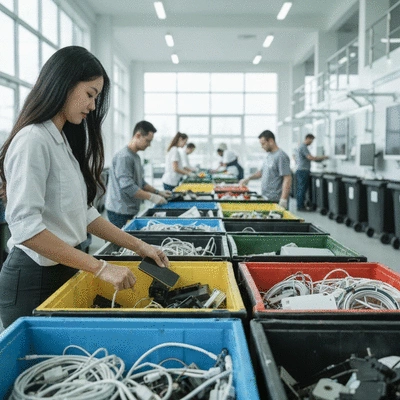
As we look ahead, the future of e-waste management in the UAE appears promising but requires collective effort. Predictions for e-waste recycling beyond 2026 suggest that the region will continue to face challenges, especially as technology evolves rapidly. However, with the right strategies and increased community involvement, we can significantly improve our recycling rates and reduce environmental impact!
Predictions for E-Waste Recycling Beyond 2026
Experts forecast that the growth of e-waste will continue to rise, driven by advancements in technology and consumer electronics, as further detailed in peer-reviewed research on e-waste management. To accommodate this increase, we will likely see expanded recycling programs and innovative solutions. Here are some key predictions:
- Increased public-private partnerships to enhance recycling capabilities.
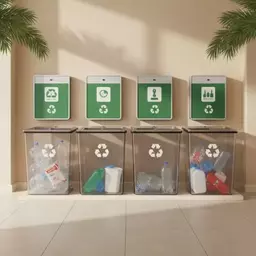
- Development of smart recycling bins equipped with technology to sort e-waste accurately.
- More incentives for consumers to recycle their electronics, such as trade-in programs.
- Rising community engagement initiatives aimed at educating the public on e-waste recycling.
These developments indicate a growing recognition of the importance of responsible e-waste management. By adapting to these changes, we can work together to create a more sustainable future!
Importance of Consumer Involvement and Education
Consumer involvement is crucial for the success of e-waste recycling efforts. Educating our communities about the impacts of e-waste and how to recycle properly can lead to significant changes. Here are some vital aspects to consider:
- Understanding the environmental benefits of recycling e-waste.
- Learning about local recycling programs and how to access them.
- Encouraging responsible purchasing decisions to minimize e-waste generation.
- Participating in workshops and seminars focused on recycling practices.
At EcoScrap UAE, we believe that every small action can lead to a larger impact. When consumers are informed and engaged, the push towards sustainable practices becomes more robust!
The Role of the UAE Ministry of Climate Change and Environment in Future Policies
The UAE Ministry of Climate Change and Environment is pivotal in shaping future policies for e-waste management. Through regulations, awareness campaigns, and partnerships with businesses like EcoScrap, the Ministry aims to create a comprehensive framework for sustainable waste management. Key initiatives could include:
- Establishing stricter regulations for e-waste disposal, a critical step also emphasized by UN reports on the global e-waste crisis and the need for improved recycling processes.
- Launching national awareness campaigns to educate citizens.
- Supporting research and development in e-waste recycling technologies.
- Facilitating collaborations with global organizations for best practices.
By prioritizing these initiatives, we can ensure that the UAE leads the way in responsible e-waste management, benefiting our environment and communities.
Recap of Key Points
Here is a quick recap of the important points discussed in the article:
- E-waste refers to discarded electronic devices, which can cause environmental and health issues if not disposed of properly.
- The UAE generates over 70,000 tons of e-waste annually, highlighting the need for responsible recycling practices.
- Improper disposal of e-waste can lead to soil and water contamination due to hazardous substances like lead and mercury.
- Consumer involvement and education are key to improving e-waste recycling rates and ensuring environmental protection.
- Future initiatives by the UAE Ministry of Climate Change and Environment aim to establish stricter regulations and promote public awareness about e-waste management.