What if you could turn your old appliances and scrap metals into cash while contributing to a sustainable future? Understanding the intricacies of scrap trading can empower you to make informed decisions that benefit both your wallet and the environment.
What You Will Learn
- The key differences between ferrous and non-ferrous metals and their impact on recycling value.
- Characteristics of ferrous metals, including their magnetic nature and susceptibility to rust.
- Non-ferrous metals are corrosion-resistant and generally have a higher market demand.
- Best practices for sorting and cleaning scrap metals to maximize profits.
- Importance of staying informed about market trends and current pricing for effective trading.
Ferrous vs. Non-Ferrous Metals: Key Differences in Scrap Trading
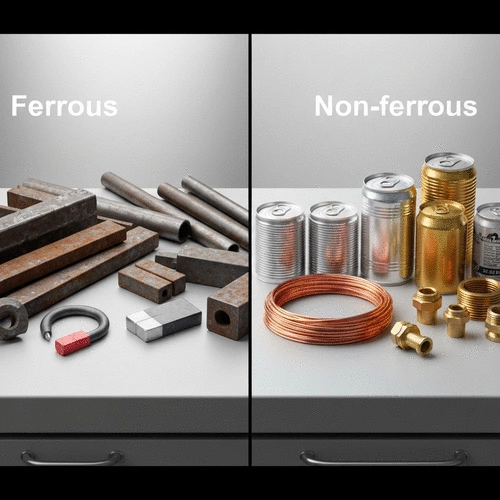
Understanding the fundamental distinctions between ferrous and non-ferrous metals is crucial for maximizing value and efficiency in scrap trading.
Ferrous Metals
Key Characteristics
- ✓ Magnetic (easy to sort)
- ✓ Durable & Strong
- ✖ Prone to Rust
Market Value & Availability
Generally widely available and often cheaper due to iron content.
Common Types
Steel, Cast Iron, Wrought Iron
Non-Ferrous Metals
Key Characteristics
- ✖ Non-Magnetic (no iron)
- ✓ Lightweight & Conductive
- ✓ Corrosion Resistant
Market Value & Availability
Often command higher prices due to limited supply and high demand.
Common Types
Aluminum, Copper, Brass, Lead, Zinc
Understanding Ferrous and Non-Ferrous Metals in Scrap Trading
When it comes to scrap trading, understanding the difference between ferrous and non-ferrous metals is crucial. This knowledge not only helps in identifying the right materials for recycling but also optimizes the potential value of scrap. At EcoScrap UAE, we’re passionate about educating our community on these important distinctions, as they play a significant role in effective waste management.
Let’s dive into the characteristics of each metal type and explore their properties that affect recycling and trading.
Defining Ferrous Metals: Characteristics and Examples
Ferrous metals are those that contain iron, which gives them unique properties. Due to their magnetic nature, they are easily identifiable and are often used in various industrial applications. As further explained by McGill University's overview of ferrous metals, their composition typically includes iron alloys.
Here's a quick overview of their key characteristics:
- Magnetic: Ferrous metals are magnetic, making them easy to sort.
- Durability: They are known for their strength and longevity.
- Corrosiveness: Ferrous metals are more prone to rust when exposed to moisture.
Key Properties of Ferrous Metals
The properties of ferrous metals make them widely used in construction and manufacturing. Their high tensile strength and affordable cost contribute to their popularity. However, their susceptibility to rust is a significant drawback that can affect their lifecycle. Understanding these properties is vital for any scrap trader as it impacts how these metals are processed and valued.
Common Types of Ferrous Metals in Scrap
Some common ferrous metals you might encounter in scrap trading include:
- Steel
- Cast Iron
- Wrought Iron
Each type has its unique applications and recycling processes, which can affect the overall value in the scrap market.
Ferrous Material Properties: Why They Matter in Scrap Trading
In scrap trading, understanding the properties of ferrous materials is essential. Their magnetic characteristics allow for easy separation during recycling, which is a factor that increases efficiency and reduces costs. Additionally, knowing the corrosion resistance of these materials can help determine their potential longevity and usability after recycling. At EcoScrap UAE, we ensure that our clients are well-informed about these properties to assist in making informed decisions about their scrap.
Defining Non-Ferrous Metals: Characteristics and Examples
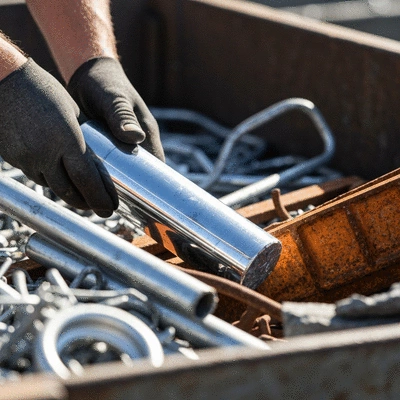
On the other hand, non-ferrous metals do not contain significant amounts of iron, which sets them apart in terms of characteristics and recycling practices. These metals often boast better corrosion resistance and are less likely to rust, making them highly sought after in various industries. As broadly defined by Britannica's classification of metals, non-ferrous metals exclude iron as a primary component.
Some notable features of non-ferrous metals include:
- Lightweight: Many non-ferrous metals are lighter than ferrous metals.
- Corrosion Resistant: They do not easily corrode, which enhances their lifecycle.
- High Conductivity: These metals often have excellent electrical and thermal conductivity.
Key Properties of Non-Ferrous Metals
The properties of non-ferrous metals make them ideal for applications in electronics, plumbing, and construction. Their corrosion resistance and lightweight nature allow for innovative designs and energy-efficient solutions. Understanding these traits can significantly influence how they are valued in the scrap market.
Common Types of Non-Ferrous Metals in Scrap
In the scrap industry, you will often come across several types of non-ferrous metals, such as:
- Aluminum
- Copper
- Brass
- Lead
- Zinc
Each of these metals has distinct characteristics that can affect their market demand and recycling processes.
Understanding Non-Ferrous Material Properties in Recycling
Non-ferrous metals' properties play a significant role in their recycling potential. They are often highly valued due to their ability to be recycled repeatedly without losing quality. This factor not only makes them economically beneficial but also contributes to sustainable practices, aligning with our mission at EcoScrap UAE. By understanding these properties, traders can make better decisions on how to handle these materials, leading to more successful recycling efforts.
Quick Summary
Here's a brief recap of the key points discussed so far:
- Ferrous Metals: Contain iron, are magnetic, and are prone to rust, making them durable yet less valuable in scrap trading.
- Non-Ferrous Metals: Do not contain significant iron, offer better corrosion resistance, and generally command higher market prices.
- Recycling Importance: Understanding the properties of both metal types is crucial for effective waste management and maximizing scrap value.
Summary of Key Insights on Ferrous vs. Non-Ferrous Metals
As we wrap up our exploration of ferrous and non-ferrous metals, it's essential to recognize the key differences that play a crucial role in scrap trading. Ferrous metals, primarily composed of iron, are magnetic and prone to rust, while non-ferrous metals such as aluminum, copper, and brass are less susceptible to corrosion and generally retain higher market values. Understanding these distinctions allows scrap sellers and buyers to navigate transactions more effectively! For a comprehensive comparison, the TWI Global knowledge base provides detailed FAQs on ferrous vs. non-ferrous metals.
In scrap trading, knowing the types of metals you have can significantly affect pricing and demand. For example, while ferrous metals are widely available and often cheaper, non-ferrous metals are sought after for their higher recycling value. This knowledge empowers traders to make informed decisions and maximize their profits in the market.
Recap of Main Differences and Their Importance in Scrap Trading
- Iron Content: Ferrous metals contain iron, making them magnetic and generally less valuable.
- Corrosion Resistance: Non-ferrous metals offer greater resistance, which can lead to a longer lifespan and increased demand.
- Price Trends: Non-ferrous metals often command higher prices due to their limited supply and high demand for industrial applications.
- Recycling Processes: The recycling methods differ, affecting the efficiency and cost involved in processing different metal types.
Grasping these nuances not only helps in better pricing negotiations but also ensures that scrap traders like us at EcoScrap UAE can provide the most accurate and fair offers. Remember, knowledge is power in the scrap trading world!
Key Takeaways for Scrap Sellers and Traders
- Identify your metals accurately to ensure you receive the best offers.
- Stay informed about current market prices for both ferrous and non-ferrous metals.
- Utilize efficient recycling practices to enhance the value of your scrap.
- Engage with local scrap trading communities for insights and advice.
By staying updated and connected, scrap sellers can leverage their knowledge to secure the best prices for their materials. At EcoScrap UAE, we’re here to help you navigate the complexities of scrap trading, offering our expertise and support every step of the way!
Engaging with the Scrap Trading Community
How to Get the Best Price for Ferrous and Non-Ferrous Scrap
To ensure you get the best possible price for your scrap metals, consider these practical tips:
- Separate your metals into ferrous and non-ferrous categories before taking them to a scrap dealer.
- Clean your metals to remove any contaminants; this makes them more attractive to buyers!
- Stay informed about market trends and current prices by checking online resources or local scrap yards.
- Build relationships with scrap dealers to negotiate better deals based on your regular business.
Implementing these strategies can significantly enhance your profitability when trading scrap metals. Every effort counts in making sure your recycling journey is not only impactful but also rewarding!
FAQs: Addressing Common Questions in Scrap Trading
As a recycling expert, I often hear common questions about scrap trading. Here are a few that you might find helpful:
- What types of metals can I recycle? Almost all metals can be recycled, but the most commonly traded include aluminum, copper, steel, and brass.
- How do I know the value of my scrap? Market prices fluctuate based on demand; check local scrap yards or online resources for the latest pricing.
- Can I recycle contaminated metals? It's best to clean metals before recycling, as contaminants can lower their value.
- What is the primary difference between ferrous and non-ferrous metals? Ferrous metals contain iron and are magnetic, while non-ferrous metals do not contain iron and are non-magnetic.
- Why are non-ferrous metals generally more valuable in scrap trading? Non-ferrous metals often command higher prices due to their corrosion resistance, lighter weight, and higher demand in various specialized industries, as well as their ability to be recycled repeatedly without significant loss of quality.
- How can I easily identify ferrous metals? The simplest way to identify ferrous metals is by using a magnet; if it sticks, the metal is ferrous.
- What are some common applications for ferrous metals? Ferrous metals like steel and cast iron are widely used in construction, automotive manufacturing, and heavy machinery due to their strength and durability.
- What are some common applications for non-ferrous metals? Non-ferrous metals such as aluminum, copper, and brass are used in electronics, plumbing, wiring, aircraft components, and various other applications where corrosion resistance and conductivity are critical.
By addressing these FAQs, I aim to equip you with the knowledge needed to navigate the scrap trading landscape confidently. If you have more questions, don’t hesitate to reach out—we’re here to help!
Trade Regulations and Their Impact on Scrap Metal Transactions
Understanding trade regulations is essential for anyone involved in scrap metal transactions. These regulations vary by region and can affect everything from pricing to the legalities of trading certain metals. Here are a few key points to keep in mind:
- Licensing: Ensure you’re dealing with licensed scrap dealers to avoid legal issues.
- Documentation: Keep records of your transactions; this can be critical for reporting and tax purposes.
- Environmental Regulations: Be aware of local laws regarding the disposal of certain metals, especially hazardous materials.
At EcoScrap UAE, we prioritize compliance and environmental stewardship, ensuring that our practices align with local regulations. This not only protects our business but also helps preserve the environment for future generations!
Recap of Key Points
Here is a quick recap of the important points discussed in the article:
- Ferrous Metals: These contain iron, are magnetic, and are commonly used in construction, but they are prone to rust.
- Non-Ferrous Metals: These do not contain significant iron, are generally more valuable, corrosion-resistant, and are used in various industries like electronics.
- Market Value: Non-ferrous metals typically command higher prices due to their limited supply and higher demand.
- Recycling Processes: Understanding the different recycling methods for ferrous and non-ferrous metals is crucial for optimizing their value.
- Best Practices: Accurately identify and separate metals, stay informed about market trends, and engage with local trading communities for better deals.