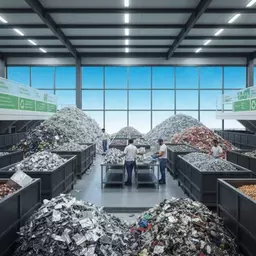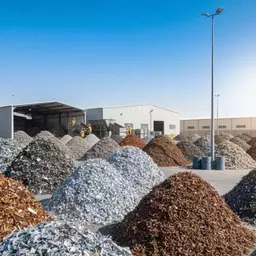
As sustainability becomes a pressing global concern, the UAE's scrap metal market emerges as a critical player in the recycling landscape. Understanding its nuances can pave the way for businesses and individuals alike to contribute to a greener future.
What You Will Learn
- The UAE's scrap metal recycling industry is characterized by diverse metal types and strategic international trade opportunities.
- Compliance with local regulations is essential to operate ethically and sustainably within the UAE scrap metal market.
- Recycling scrap metal significantly conserves natural resources and minimizes environmental impact.
- Current trends in the UAE include increased demand for recycled materials and advancements in recycling technology.
- Choosing between a mainland or free zone setup is crucial for your scrap metal business and affects operational dynamics.
- A structured licensing process is key to launching a compliant and successful scrap metal business in the UAE.
UAE Scrap Metal Market: Key Aspects & Business Setup
Navigating the UAE scrap metal market requires understanding its crucial characteristics, compliance needs, and the process of establishing your business. Below, explore essential aspects for success.
Key Market Characteristics
- ✓ Diverse Metal Types: Handles aluminum, copper, steel, offering wide opportunities.
- ✓ Strategic Location: UAE is a critical hub for global scrap metal trade.
- ✓ Rapid Urbanization: Drives high demand for recycled materials in construction.
Compliance & Regulations
- ● Licenses & Permits: Essential for legal operation.
- ● Environmental Standards: Adherence to local authority guidelines.
- ● Safety Protocols: Mandatory for handling materials.
Business Setup Choices
- ■ Mainland: Greater market access, direct client engagement.
- ■ Free Zone: 100% foreign ownership, tax exemptions, but trading restrictions.
- ■ Cost & Licensing: Vary significantly, impacting initial investment.
Licensing Process Steps
- Choose business activity.
- Find suitable trade name.
- Submit application (DED/Free Zone).
- Arrange required documents.
- Receive approval.
- Collect trade license.
Understanding the UAE Scrap Metal Market Landscape
The scrap metal market in the UAE is a vibrant and rapidly evolving sector, driven by both local demand and international trade opportunities. As the founder of EcoScrap UAE, I’ve witnessed firsthand how the region's unique economic landscape influences the recycling of metals, plastics, and electronic waste. Understanding the intricacies of this market is crucial for anyone looking to navigate it successfully!
In this section, we'll explore the essential characteristics of scrap metal recycling in the UAE, the importance of compliance, its environmental impact, and the current trends shaping the market.
Key Characteristics of Scrap Metal Recycling in the UAE
The scrap metal recycling industry in the UAE has several distinctive features that set it apart:
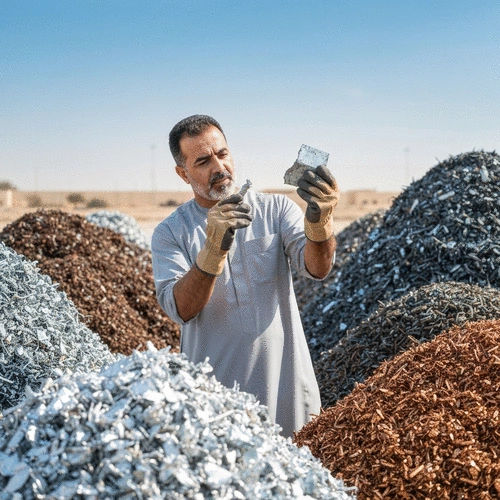
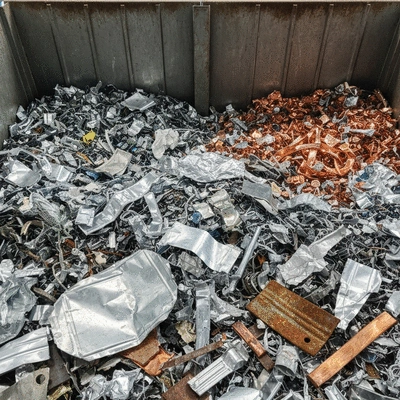
- Diverse Metal Types: The UAE handles various metals, including aluminum, copper, and steel. This diversity allows for a wide range of recycling opportunities.
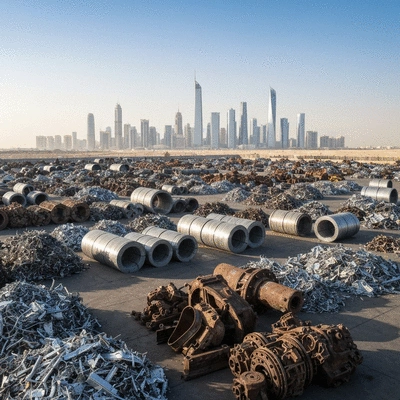
- Strategic Location: Positioned at the crossroads of Europe, Asia, and Africa, the UAE serves as a critical hub for scrap metal trade, offering strategic advantages for exporters.
- Rapid Urbanization: Ongoing urban development drives demand for scrap metal recycling, as construction projects require vast quantities of recycled materials.
These characteristics highlight the importance of establishing strong connections within the industry and understanding the market dynamics that influence operations.
The Importance of Navigating Compliance and Regulations
Compliance with local regulations is paramount when operating in the UAE scrap metal market. The region has stringent rules governing waste management and recycling practices, which can affect everything from collection to processing. Understanding these regulations helps ensure that businesses like EcoScrap UAE not only operate legally but also contribute to a more sustainable future.
Key compliance factors include:
- Obtaining the necessary licenses and permits.
- Adhering to environmental standards set by local authorities.
- Implementing safety protocols for handling hazardous materials.
By prioritizing compliance, businesses can enhance their reputation and foster trust within the community.
Environmental Impact of Scrap Metal Recycling
Recycling scrap metal plays a vital role in protecting our environment. It conserves natural resources, reduces energy consumption, and minimizes landfill waste. At EcoScrap UAE, we believe that every piece of metal recycled contributes to a cleaner planet!
Notable environmental benefits include:
- Resource Conservation: Recycling aluminum, for instance, saves 95% of the energy required to produce it from raw materials. Further details on the economic and environmental assessment of aluminum recycling can be found in a study published on ScienceDirect.
- Reduction in Greenhouse Gas Emissions: By recycling metals, we significantly lower emissions that contribute to climate change.
- Waste Reduction: Proper recycling practices divert waste from landfills, promoting a circular economy.
Understanding these impacts can motivate businesses and consumers alike to engage more actively in recycling efforts.
Current Market Trends in the UAE Scrap Metal Market
The UAE scrap metal market is continuously evolving. Keeping abreast of the latest trends is essential for any entrepreneur considering entry into this field. Some current trends include:
- Increased Demand for Recycled Materials: With sustainability becoming a priority for many industries, the demand for recycled metals is on the rise.
- Technological Advancements: Innovations in recycling technology are improving efficiency and recovery rates, making operations more profitable.
- Focus on Compliance and Sustainability: Companies are increasingly prioritizing eco-friendly practices and compliance with regulations to boost their credibility. The UAQ Free Trade Zone highlights how UAE scrap collection businesses outperform others through these commitments.
By understanding these trends, businesses can position themselves for success in the competitive scrap metal landscape!
Pro Tip
Did you know? Establishing a solid relationship with local suppliers and customers can significantly enhance the success of your scrap metal business. Networking within the industry not only opens doors to valuable partnerships but also helps you stay informed about market trends and compliance updates. Make it a point to attend industry conferences and local events to connect with key players!
Setting Up Your Scrap Metal Business in the UAE
Starting a scrap metal business in the UAE can be an exciting venture, but it’s essential to make informed decisions from the beginning. As an environmental advocate with years of experience, I understand the unique landscape of this market. Whether you’re just beginning to explore your options or ready to take the plunge, I’m here to guide you through the steps you need to consider.
One of the first choices you’ll face is whether to establish your business in the mainland or a free zone. Each option comes with its own set of advantages and challenges that can significantly influence your startup journey.
Choosing Between Mainland and Free Zone for Your Business License
When deciding on your business setup, it’s crucial to weigh the pros and cons carefully. Here’s a quick overview to help you make that choice:
- Mainland: Greater market access and the ability to engage directly with clients.
- Free Zone: 100% foreign ownership and tax exemptions, but limited to trading within the free zone.
- Cost: Costs may vary significantly between the two, impacting your initial investment.
- Licensing requirements: These can differ based on your choice, affecting timeframes and processes.
Understanding the landscape of each option can help you align your goals with your business strategy. I often recommend assessing where your target clientele resides and what permits you might need before making your decision.
Advantages and Challenges of Each Setup
Each business setup has its distinct features that can either facilitate or hinder your operations. Here are some key advantages and challenges to consider:
- Advantages of Mainland: Improved branding opportunities and access to a larger customer base.
- Challenges of Mainland: Might require a local sponsor to navigate legalities.
- Advantages of Free Zone: Simplified ownership and fewer bureaucratic hurdles.
- Challenges of Free Zone: Restriction on trading outside the free zone without a local agent.
By evaluating these factors, you can better position your scrap metal business for success in the competitive UAE market.
Navigating the Licensing Process: A Step-by-Step Guide
Obtaining your business license is a crucial step in launching your scrap metal venture. Here’s how to navigate the process effectively:
- Choose a business activity: Select the specific activities your business will undertake.
- Find a suitable trade name: Ensure it aligns with local regulations and reflects your brand.
- Submit your application: Apply through the Department of Economic Development (DED) or the relevant Free Zone authority. For a detailed guide on starting a scrap metal business in Dubai, refer to resources like DIAC.
- Arrange for the required documents: Prepare documents like passports, residency permits, and rental contracts.
- Receive approval: Wait for the DED or Free Zone authority to approve your application.
- Collect your trade license: Once approved, you’ll receive your business license, allowing you to operate legally.
Following this structured approach can streamline the process and help you avoid unnecessary delays. Always double-check the latest local regulations to stay informed!
Understanding Scrap Metal Regulations and Compliance Requirements
Compliance is key in the scrap metal industry. Understanding the regulations ensures that your operations run smoothly and ethically. Here are some vital regulations to keep in mind:
- Waste Management Regulations: Familiarize yourself with local waste management laws.
- Environmental Compliance: Ensure that your operations meet environmental standards to minimize your impact.
- Health and Safety Guidelines: Implement safety protocols to protect your workers and clients.
By prioritizing compliance, you're not only safeguarding your business but also contributing to a healthier environment—a principle I deeply believe in at EcoScrap UAE!
Frequently Asked Questions About the UAE Scrap Metal Market
- What are the key characteristics of the UAE scrap metal market?
- The UAE scrap metal market is characterized by diverse metal types (aluminum, copper, steel), a strategic location as a global trade hub, and high demand driven by rapid urbanization and construction projects.
- Why is compliance important in the UAE scrap metal industry?
- Compliance with local regulations, including obtaining licenses and permits, adhering to environmental standards, and implementing safety protocols, is crucial for legal operation, building reputation, and contributing to sustainability.
- What are the environmental benefits of scrap metal recycling?
- Scrap metal recycling conserves natural resources, significantly reduces energy consumption (e.g., 95% for aluminum), lowers greenhouse gas emissions, and minimizes landfill waste, promoting a circular economy.
- What are the current trends shaping the UAE scrap metal market?
- Current trends include increased demand for recycled materials due to a focus on sustainability, advancements in recycling technology for improved efficiency, and a strong emphasis on compliance and eco-friendly practices among businesses.
- Should I set up my scrap metal business in the mainland or a free zone in the UAE?
- Choosing between a mainland and free zone setup depends on your business goals. Mainland offers greater market access and direct client engagement, while free zones provide 100% foreign ownership and tax exemptions but have trading restrictions. Both options have different costs and licensing requirements.
- What is the basic licensing process for a scrap metal business in the UAE?
- The licensing process involves choosing a business activity, finding a suitable trade name, submitting an application to the DED or relevant Free Zone authority, arranging required documents, receiving approval, and finally collecting your trade license.
Recap of Key Points
Here is a quick recap of the important points discussed in the article:
- Diverse Metal Types: The UAE's scrap metal market includes various metals, providing numerous recycling opportunities.
- Compliance is Crucial: Understanding local regulations ensures legal operation and promotes sustainability.
- Environmental Benefits: Recycling reduces energy consumption, conserves resources, and minimizes landfill waste.
- Current Trends: The market is seeing increased demand for recycled materials and innovations in recycling technology.
- Business Setup Considerations: Weigh the pros and cons of establishing your scrap metal business in the mainland versus a free zone.