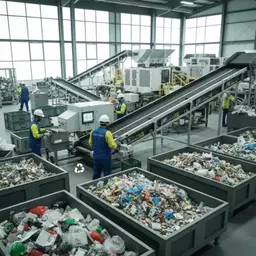
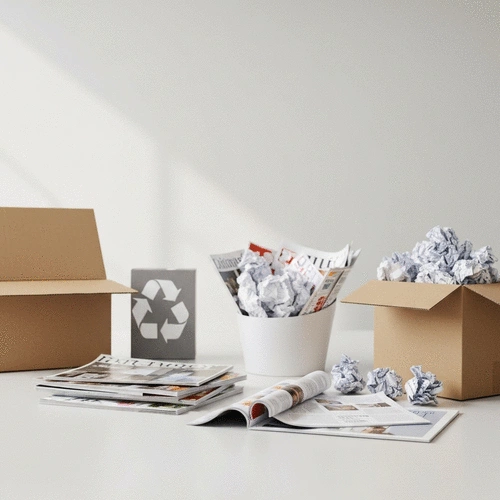
When it comes to recycling, understanding the impact of our choices is essential. Each piece of paper you recycle contributes to a larger movement towards sustainability. Are you ready to discover how your small actions can lead to significant environmental benefits?
What You Will Learn
- Recycling paper significantly reduces landfill waste and pollution, helping to clean our environment.
- Conserving natural resources such as trees and water is crucial, and recycling paper plays a key role in this effort.
- Understanding which types of paper are recyclable can enhance the efficiency of recycling systems.
- Engaging in community recycling initiatives fosters a sense of shared responsibility and promotes local sustainability.
- Economic incentives for businesses, such as cost savings and job creation, make recycling financially beneficial.
- Adopting eco-friendly practices in everyday life can further support recycling efforts and sustainability.
The Journey of Paper: From Waste to Resource
This visual illustrates the lifecycle of paper, highlighting key stages and the impact of recycling on resource conservation and waste reduction.
Environmental Benefits of Recycling
- ✓ Reduces landfill waste
- ✓ Conserves natural resources
- ✓ Lowers energy consumption
- ✓ Decreases greenhouse gases
Recyclable Paper Types
- Newspapers: Easily repurposed
- Magazines: Glossy, requires special processing
- Office Paper: Highly valuable when clean
- Cardboard: Sturdy, easily reused
Non-Recyclable Paper Types
- Tissue/Paper Towels: Short fibers, contaminated
- Food-Contaminated: Greasy pizza boxes
- Shredded Paper: Can jam machines
- Wax/Laminated Paper: Difficult to process
Economic Incentives
Recycling paper leads to cost savings on waste disposal, revenue generation from materials, and creates job opportunities in the recycling sector.
Understanding Paper Waste Recycling in the UAE
As an environmental advocate, I often reflect on the critical role of paper waste recycling in the UAE. The sheer volume of paper products used daily—from newspapers to packaging—contributes significantly to waste. By recycling paper, we can mitigate its environmental impact, preserving our precious natural resources and reducing landfill waste. Isn't it fascinating to think that your old magazines can be transformed into new paper products? According to the EPA's data on paper and paperboard material, recycling plays a crucial role in managing this waste stream.
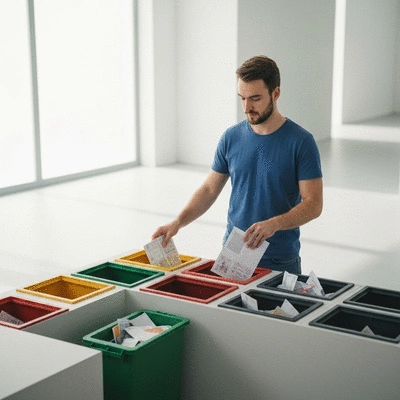
Recycling paper not only conserves energy and water but also leads to lower greenhouse gas emissions. In the UAE, where rapid urbanization and development are prevalent, it's essential for us to prioritize sustainable practices. Every paper product recycled contributes to a cleaner environment and supports a healthier community for future generations!
The Importance of Recycling Paper Waste
- Reduces landfill waste and pollution
- Conserves natural resources like trees and water
- Lowers energy consumption compared to producing new paper
- Supports local economies through job creation in recycling industries
Recycling paper waste is particularly important in the UAE, where the growing population and increasing consumerism lead to higher waste generation. By making recycling part of our daily routines, we can collectively work towards a more sustainable future!
Recycling Regulations and Standards in the UAE
The UAE has established a robust framework for waste management, highlighted by the UAE Vision 2030 and the National Waste Management Strategy. These initiatives aim to promote sustainability and responsible waste disposal through stringent regulations. They encourage both individuals and businesses to actively participate in recycling efforts.
As a part of EcoScrap UAE, I firmly believe that awareness of these regulations can help us all contribute to a healthier environment. By understanding how we can comply with these laws, we can make a significant impact on our local communities and set a standard for others to follow.
Identifying Different Types of Paper Waste
Classification of Commonly Recycled Papers
When it comes to recycling, not all papers are created equal! It's important to identify which types of paper can be recycled effectively. Here are some commonly recycled paper types, as detailed in various guidelines, including those from CalRecycle on recycling labels:
- Newspapers: Often the most recycled paper type; they can be turned into new paper products.
- Magazines: These glossy papers are recyclable, but they may require special processing.
- Office Paper: Clean, non-contaminated office paper is highly valuable for recycling.
- Cardboard: This sturdy material is easily repurposed into new cardboard products.
Each of these paper types has its own recycling process and benefits. By knowing what can be recycled, we contribute to a more efficient recycling system. Next time you sort through your waste, remember to separate these items for recycling!
Recognizing Non-Recyclable Paper Types
While many paper products are recyclable, some are not. Here’s a quick list of items that should be kept out of your recycling bin:
- Tissue paper
- Paper towels
- Food-contaminated papers (like greasy pizza boxes)
- Shredded paper (which can jam recycling machines)
Understanding why these items are unsuitable for recycling is crucial. They can contaminate batches of recyclable paper, making the recycling process less efficient. By avoiding these common pitfalls, we can ensure that our recycling efforts are productive and effective!
Pro Tip
To maximize your impact on paper recycling, consider starting a paper reduction challenge at home or in your workplace. Set goals for reducing paper usage, such as going digital for documents or using both sides of the paper for printing. This not only decreases waste but also raises awareness about the importance of recycling.
Frequently Asked Questions About Paper Recycling
Q1: What are the main environmental benefits of recycling paper?
Recycling paper significantly reduces landfill waste and pollution, conserves natural resources like trees and water, lowers energy consumption compared to producing new paper, and decreases greenhouse gas emissions.
Q2: Which types of paper are commonly accepted for recycling?
Commonly accepted recyclable paper types include newspapers, magazines (though some may require special processing), clean office paper, and cardboard.
Q3: What types of paper cannot be recycled?
Non-recyclable paper types include tissue paper, paper towels, food-contaminated papers (like greasy pizza boxes), shredded paper (which can jam machinery), and wax/laminated paper due to contamination and processing difficulties.
Q4: How does paper recycling benefit the economy?
Paper recycling offers economic incentives such as cost savings on waste disposal for businesses, revenue generation from collected materials, eligibility for government funding and initiatives (like those under UAE Vision 2030), and the creation of job opportunities within the recycling sector.
Q5: What are some practical tips for preparing paper waste at home for recycling?
Practical tips include sorting paper into different types (newspapers, magazines, office paper), bundling paper with string or rubber bands for easy transport, and storing paper in a dry place to prevent moisture contamination.
Evaluating the Benefits of Paper Recycling
When we think about recycling paper, we often focus on the environmental impact. However, the economic incentives of recycling paper waste in the UAE are equally important. By engaging in paper recycling, we can reduce costs related to waste management and create new job opportunities. This is not just beneficial for the environment; it’s a win for our economy!
For instance, recycling programs can help businesses save on disposal fees and generate revenue from recovered materials. Additionally, recycling initiatives often receive government support, which can lead to even more financial benefits. Let’s explore some of these incentives further, keeping in mind insights from reports like The Recycling Partnership's State of Recycling Report, which highlight the broader impact of such efforts.
The Economic Incentives of Recycling Paper Waste
- Cost Savings: Businesses can significantly reduce waste disposal costs by recycling paper.
- Revenue Generation: Many recycling programs offer payments for collected materials, turning waste into profit.
- Government Funding: Various initiatives under UAE Vision 2030 encourage businesses to adopt sustainable practices, often with financial support.
- Job Creation: The recycling sector is a growing field that creates numerous job opportunities for local communities.
As we can see, the economic aspect of recycling paper is compelling. Not only does it help in managing waste, but it also helps create a vibrant economy that supports local communities. At EcoScrap UAE, we believe that understanding these incentives can motivate more individuals and businesses to participate in recycling efforts.
Environmental and Community Benefits
Recycling paper goes beyond financial gains; it plays a crucial role in protecting our environment. By reducing the amount of paper waste sent to landfills, we can minimize pollution and conserve natural resources. Less paper waste means fewer trees cut down, which is vital for maintaining biodiversity in our ecosystems.
In addition, recycling paper supports community sustainability by promoting cleaner neighborhoods and reducing our collective carbon footprint. Here are some of the community benefits that stem from effective paper recycling:
- Cleaner Environments: Fewer waste materials in our streets and parks lead to healthier ecosystems.
- Enhanced Community Engagement: Recycling efforts can bring communities together, fostering a sense of shared responsibility.
- Educational Opportunities: Recycling initiatives often provide educational programs that raise awareness about environmental sustainability.
At EcoScrap UAE, we recognize that fostering community engagement is key to successful recycling initiatives. When communities come together to support recycling, they contribute to a greener environment and a more sustainable future.
The Role of Eco-Friendly Practices in Recycling
Adopting eco-friendly practices in recycling not only enhances its efficacy but also contributes to overall sustainable development. By integrating practices like minimizing waste at the source and promoting the use of recycled materials, we can significantly bolster our recycling efforts. For example, using recycled paper in our offices can create a closed-loop system, reducing the demand for virgin materials.
Moreover, here are some eco-friendly practices we can all adopt to support paper recycling:
- Reduce Paper Use: Utilize digital alternatives whenever possible to minimize paper consumption.
- Choose Recycled Products: Opt for products made from recycled materials to support the recycling economy.
- Educate Others: Share knowledge about the importance of recycling and how to do it effectively within your community.
By embracing these eco-friendly practices, we can enhance our recycling initiatives. At EcoScrap UAE, we encourage everyone to take part in nurturing our environment and building a sustainable future.
Taking Action: Your Role in Paper Waste Management
Practical Tips for Preparing Paper Waste at Home
Now that we’ve discussed the benefits of recycling paper, let’s talk about how you can get involved! Preparing paper waste for recycling at home can be straightforward and even fun. Here are some practical tips:
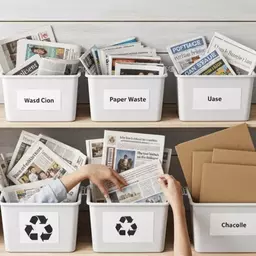
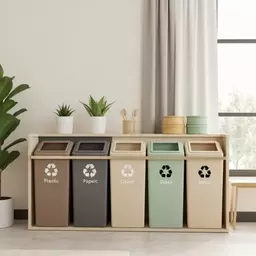
- Sort Your Paper: Keep separate bins for different paper types: newspapers, magazines, and office paper.
- Bundle It Up: Use string or rubber bands to bundle paper waste together for easy transport.
- Keep It Dry: Store paper in a dry place to avoid contamination with moisture.
By following these simple steps, you’ll ensure that your paper waste is ready for recycling! At EcoScrap UAE, we believe that every small action counts, and your efforts can make a big difference.
Encouraging Community Participation in Recycling Efforts
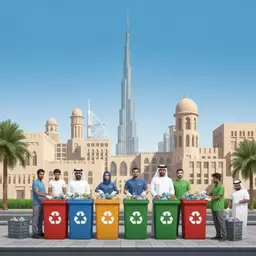
Engaging your community in recycling initiatives is crucial for fostering a culture of sustainability. Here are some ways to encourage participation:
- Organize Workshops: Host workshops to educate neighbors about recycling practices and their importance.
- Create Local Groups: Start or join local recycling groups to share resources and tips.
- Collaborate with Local Businesses: Partner with businesses to offer incentives for recycling, such as discounts for customers who bring in recyclable materials.
These actions not only raise awareness but also create a sense of community ownership over recycling initiatives. Together, we can inspire others to take part in responsible waste management.
Participating in Community Recycling Events
There are numerous opportunities to get involved in community recycling events. Participating in these events is a fantastic way to meet like-minded individuals and make a tangible impact. Here are some ways to participate:
- Join Local Clean-Up Days: Many communities organize clean-up days where residents can come together to recycle and dispose of waste responsibly.
- Volunteer at Recycling Drives: Offer your time to help sort and collect recyclable materials during local events.
- Spread the Word: Use social media platforms to promote upcoming recycling events and encourage your network to attend.
Engaging in these events not only contributes to community well-being but also reinforces your commitment to sustainability. At EcoScrap UAE, we believe that collective action can lead to significant positive changes!
Conclusion and Next Steps
Recap of Key Points on Paper Waste Identification and Recycling
As we wrap up, let’s quickly summarize the key aspects of identifying paper waste types and recycling processes. Understanding what paper can be recycled and what cannot is essential for effective waste management. By sorting paper properly, following recycling guidelines, and adopting eco-friendly practices, we all play a role in creating a sustainable future.
Call to Action: Get Involved in Recycling Today
Now that you’re equipped with knowledge and practical tips, it’s time to take action! I encourage you to participate in local recycling programs and share what you’ve learned with your community. Remember, at EcoScrap UAE, we are here to support your recycling journey. Let’s work together toward a cleaner, greener planet—starting today!
Recap of Key Points
Here is a quick recap of the important points discussed in the article:
- Recycling paper waste reduces landfill waste, conserves natural resources, and lowers energy consumption.
- Understanding which paper types are recyclable (e.g., newspapers, magazines, office paper) is crucial for effective recycling.
- Avoid non-recyclable items like tissue paper and food-contaminated papers to ensure recycling efficiency.
- Engaging in community recycling initiatives fosters a culture of sustainability and enhances community well-being.
- Adopting eco-friendly practices, such as reducing paper use and choosing recycled products, supports recycling efforts.