Did you know that effective scrap waste management can significantly boost both operational efficiency and environmental sustainability in factories? Discover how your factory can turn waste into valuable resources.
What You Will Learn
- Understanding factory scrap and its importance in reducing environmental impact.
- The environmental and economic benefits of recycling, including job creation and resource conservation.
- Key steps to implement effective scrap waste management, such as sorting and partnering with recyclers.
- The value of transitioning to a circular economy model for enhanced sustainability and profitability.
Process Flow for Effective Scrap Waste Management
Transforming scrap waste into a valuable asset involves a systematic approach, from initial assessment to strategic partnerships. The following diagram illustrates the key stages and benefits of adopting a circular economy model in UAE factories.
1. Initial Assessment & Sorting
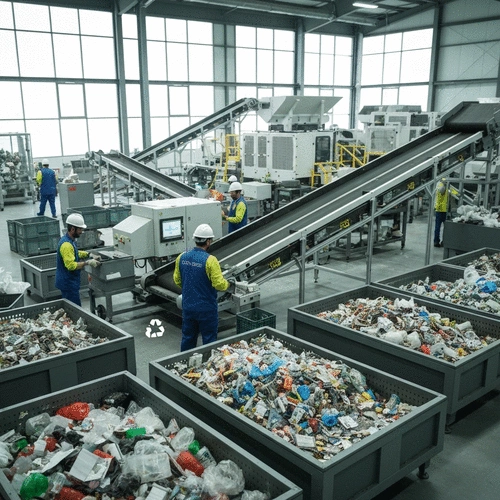
Start by conducting a waste audit to identify types and volumes of scrap. Implement efficient sorting and storage systems.
- Categorize materials (metals, plastics, etc.)
- Train staff on best practices
2. Partner with Recyclers
Research and connect with reputable recycling partners to ensure proper disposal and maximize monetization opportunities.
- Establish strong relationships
- Ensure regulatory compliance
3. Implement Circular Economy
Embrace practices like design for disassembly and resource recovery to reduce waste and enhance profitability.
- Invest in recycling technologies
- Educate consumers
4. Continuous Improvement
Regularly assess current practices, leverage tools, and seek innovative solutions to maintain sustainability.
- Track waste metrics
- Explore investment opportunities
Understanding Scrap Waste Management in UAE Factories
Managing scrap waste in factories across the UAE is not only vital for operational efficiency but also plays a crucial role in promoting environmental sustainability. At EcoScrap UAE, we recognize that effective scrap management can transform waste into valuable resources. This process begins by understanding what factory scrap is and why it matters.
What is Factory Scrap and Why Does It Matter?
Factory scrap refers to any leftover material generated during the manufacturing process—whether it’s metals, plastics, or paper. These materials, if not managed properly, can become a significant burden on both the environment and the economy. By recycling scrap, factories can reduce disposal costs and contribute to a more sustainable future!
- Cost Savings: Recycling scrap can lower waste disposal fees, as highlighted by resources on how to cut and monetize business waste.
- Resource Recovery: Many materials can be repurposed, reducing the need for virgin resources.
- Regulatory Compliance: Proper scrap management helps meet local environmental regulations.
Understanding the value of these materials is a critical step towards effective waste management, as it empowers factories to see their waste as an opportunity rather than a liability.
The Impact of Scrap Waste on the Environment and Economy
Scrap waste has a profound impact on both our environment and the economy. When waste is disposed of improperly, it can lead to pollution and landfill overflow. Moreover, businesses miss out on potential revenue that could be generated from recycling these materials. Did you know that recycling metals alone can conserve energy and resources significantly, as explored in studies on waste management and environmental sustainability?
- Environmental Benefits: Recycling reduces greenhouse gas emissions and conserves natural resources.
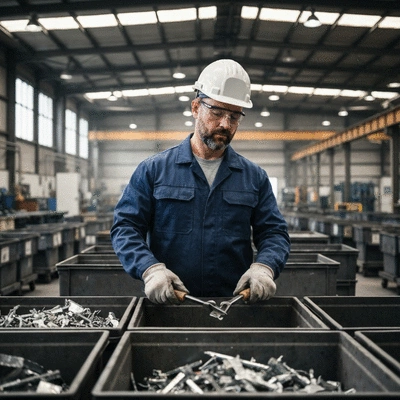
- Economic Opportunities: The recycling industry creates jobs and stimulates local economies, demonstrating how to make wealth from waste.
- Community Engagement: Involving communities in recycling efforts fosters awareness and environmental stewardship.
At EcoScrap UAE, we strive to highlight these impacts to encourage factories to adopt sustainable practices that benefit not just their operations, but also the community and the planet.
Exploring the Circular Economy in UAE Factories
The concept of a circular economy is gaining traction in the UAE, especially within manufacturing sectors. This model emphasizes reusing materials and minimizing waste through recycling and resource efficiency. By embracing these practices, factories can reduce their environmental footprint while enhancing their profitability.
- Design for Disassembly: Create products that are easier to recycle.
- Resource Recovery: Implement processes that allow for the recovery of valuable materials.
- Consumer Engagement: Educate customers about the importance of recycling and sustainable practices.
Transitioning to a circular economy model not only supports sustainability but can also lead to increased innovation and competitiveness in the market. Embracing these principles at EcoScrap UAE is part of our mission to lead the way in responsible recycling and waste management.
Pro Tip
To maximize your scrap waste monetization efforts, consider implementing a digital inventory system. This allows you to track scrap materials effectively and ensures that nothing goes to waste. Regularly reviewing and updating your inventory can help identify new recycling opportunities and improve overall operational efficiency.
Summary of Key Takeaways on Scrap Waste Monetization
As we wrap up our discussion on scrap waste monetization, it’s crucial to highlight the key steps that can turn scrap into a profitable venture for factories in the UAE. The process begins with understanding the types of scrap your factory generates and effectively managing it. By implementing thorough sorting techniques, safe collection practices, and building strong partnerships with recyclers, you pave the way for maximizing profit from waste materials.
Frequently Asked Questions (FAQs)
- Identify and categorize scrap materials regularly.
- Establish efficient sorting and storage systems.
- Research and connect with reputable recycling partners.
- Consider innovative business models for scrap revenue.
These steps not only help reduce environmental impact but can also contribute positively to your factory's bottom line. Remember, successful scrap monetization hinges on a commitment to sustainable practices and continuous improvement.
Final Thoughts on Sustainable Practices in UAE Factories
At EcoScrap UAE, we believe that embracing sustainable practices is not just a trend; it's a vital responsibility for all businesses. The journey towards effective scrap waste management involves creating a culture of sustainability within your factory. By actively engaging in recycling and waste reduction, you foster not only environmental stewardship but also a sense of community among your employees.
As we shift towards a greener future, it’s essential to remember that every little effort counts. By incorporating eco-friendly practices into your daily operations, you're not only making a positive impact on the planet but also enhancing your brand's reputation and attracting eco-conscious customers.
Next Steps for Factories in the UAE
How to Get Started with Scrap Waste Management
If you're ready to take actionable steps towards effective scrap waste management, start by conducting an assessment of your current practices. Engage your team by encouraging them to share insights and suggestions for improvement. This collective effort not only boosts morale but can lead to innovative ideas for managing scrap waste more efficiently.
- Schedule a waste audit to identify types and volumes of scrap.
- Train staff on best practices for sorting and storing materials.
- Connect with local recycling services like EcoScrap UAE for guidance.
Resources and Tools for Continuous Improvement
To further enhance your scrap management efforts, consider leveraging various resources and tools available. From industry-specific software to community workshops on sustainability, these tools can provide valuable insights and support your journey toward responsible waste management.
Utilizing platforms that track recycling and waste metrics can also help you gauge your progress over time. This data is invaluable for making informed decisions that align with your environmental goals.
Exploring Investment Opportunities in Recycling Technologies
Investing in recycling technologies can significantly elevate your factory's scrap management capabilities. Look for innovations that simplify the recycling process, improve efficiency, and even transform waste materials into new products. By staying updated on the latest advancements in recycling technology, you position your factory at the forefront of sustainable practices in the UAE.
Whether it's through automated sorting systems or advanced waste-to-energy solutions, the right investments can yield substantial returns—both financially and environmentally. So, take that first step, explore new opportunities, and watch how your factory can lead the way in sustainable scrap waste management!
Recap of Key Points
Here is a quick recap of the important points discussed in the article:
- Understanding Scrap Waste: Factory scrap can be metals, plastics, or paper, and proper management is crucial for both the environment and economy.
- Environmental and Economic Impact: Recycling reduces pollution, conserves resources, and creates job opportunities while generating potential revenue for factories.
- Circular Economy Practices: Design for disassembly and resource recovery are key to minimizing waste and supporting sustainability in manufacturing.
- Maximizing Scrap Revenue: Identify and categorize scrap materials, establish efficient sorting systems, and connect with reputable recyclers to enhance profitability.
- Engaging Employees: Conduct assessments and involve your team in improving scrap management practices to foster innovation and boost morale.