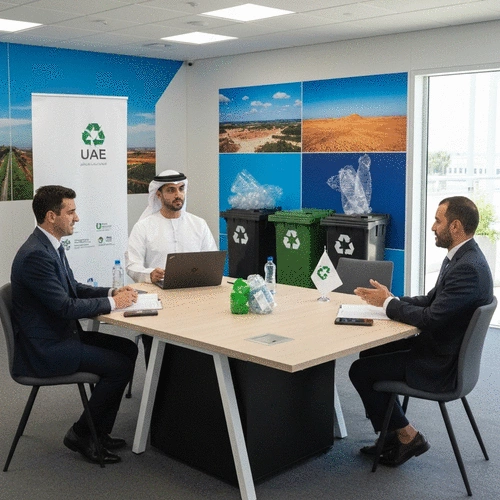
What if your small actions today could lead to a greener tomorrow? The collaboration between public and private sectors in the UAE is shaping innovative recycling solutions that not only reduce plastic waste but also empower communities. This article unveils essential insights into the transformative power of Public-Private Partnerships (PPPs) in the realm of recycling.
What You Will Learn
- Public-Private Partnerships (PPPs) combine government oversight with private innovation to enhance recycling processes.
- Resource optimization through PPPs leads to more effective waste management strategies and funding opportunities.
- The UAE’s regulatory framework supports sustainable initiatives, driving higher recycling rates through clear targets.
- Engaging stakeholders, including small businesses and NGOs, fosters a community-driven approach to recycling.
Key Milestones and Funding for PPPs in Plastic Recycling
This visual outlines the strategic implementation timelines and various funding mechanisms crucial for successful Public-Private Partnerships in the UAE's plastic recycling sector.
Implementation Timelines for PPPs
2023: Baseline Partnerships
2025: Pilot Launch & Measurable Outcomes
2027: Expansion & New Technologies
2030: Achieve UAE Sustainability Goals
Funding Mechanisms for Stakeholders
Government Grants: Targeted recycling initiatives.
Private Investments: Essential capital for scaling projects.
International Funds: Support for innovative solutions.
Corporate Partnerships: Resource sharing & innovation.
Understanding Public-Private Partnerships in the UAE's Plastic Recycling Landscape
Public-Private Partnerships (PPPs) play a vital role in shaping the recycling landscape in the UAE. They bring together the strengths of both government entities and private sector companies to tackle pressing environmental issues, especially plastic pollution. As an environmental advocate myself, I’ve seen how effective collaboration can lead to innovative solutions that benefit our communities and the planet.
So, what exactly are PPPs? These partnerships are collaborative agreements between public bodies and private companies aimed at delivering projects or services that serve the public interest. In the context of recycling, they can streamline processes, leverage resources, and drive educational initiatives to promote sustainable practices in waste management. For further details on how these partnerships function across various sectors in the UAE, you can refer to the official information on PPPs in various sectors.

The Concept and Importance of Public-Private Partnerships
Defining Public-Private Partnerships (PPPs) in the Context of Recycling
At their core, PPPs in recycling facilitate joint efforts to manage waste effectively, combining public oversight with private innovation. This means that while the government sets regulations and standards, private firms bring in their expertise and technology to enhance recycling capabilities. For instance, through EcoScrap UAE, we have observed how partnerships can create more efficient recycling systems that not only manage waste but also create economic opportunities.
- Collaboration between sectors for enhanced efficiency
- Sharing of resources and expertise
- Increased funding opportunities for recycling projects
This collaborative approach is crucial, especially in addressing the challenges of plastic waste. By working together, we can develop initiatives that educate the public on proper disposal and recycling methods, fostering a culture of sustainability.
Key Benefits of PPPs for Plastic Recycling Initiatives
Public-Private Partnerships offer numerous benefits to plastic recycling initiatives. Here are a few key advantages:
- Resource Optimization: By pooling resources, both sectors can implement more effective waste management strategies.
- Innovation: Private companies often bring the latest technologies that can improve recycling processes.
- Awareness Raising: Joint campaigns can educate communities on the importance of recycling, driving higher participation rates.
These benefits highlight how crucial PPPs are in creating a sustainable recycling ecosystem. They not only enhance operational efficiency but also contribute to broader environmental goals in the UAE.
Current State of Plastic Recycling in the UAE
Overview of Plastic Pollution Challenges in the UAE
The UAE faces significant challenges when it comes to plastic pollution. With a rapidly growing population and high consumption rates, the volume of plastic waste continues to rise. Many people don’t realize that plastic can take hundreds of years to decompose, and this poses a dire threat to our environment. But it’s important to remember that every action counts—what we do today can shape the future of our planet!
Understanding these challenges helps us appreciate the urgency of effective recycling solutions. This is where public-private partnerships become essential, as they foster a collaborative environment to tackle these pressing issues together.
UAE’s Regulatory Framework Supporting Recycling Efforts
The UAE government has established a comprehensive regulatory framework to support recycling efforts. This includes laws and policies aimed at reducing waste and promoting sustainability. For instance, initiatives like the UAE Vision 2021 and the National Waste Management Strategy set clear targets for reducing waste generation and increasing recycling rates. The UAE Circular Economy Policy further articulates these commitments, providing a clear roadmap for sustainable practices.
Such regulations not only guide businesses like EcoScrap UAE but also provide a roadmap for other stakeholders to follow. They create a unified direction for the entire country to pursue sustainable waste management.
The Role of the UAE Government in Promoting Recycling Initiatives
The UAE government plays a pivotal role in promoting recycling initiatives through various programs and campaigns. They provide financial incentives for businesses that adopt sustainable practices and invest in recycling technologies. Additionally, government-led educational campaigns aim to improve public awareness about recycling and its benefits. For insights into how the private sector is contributing to these efforts and the development of the UAE's circular economy policy, you can explore the outcomes of policy workshops at MOET.gov.ae.
- Incentives for private companies participating in recycling
- Community outreach programs to educate the public
- Collaboration opportunities with local businesses for recycling initiatives
As an advocate for sustainability, I’m proud to witness these efforts firsthand. They not only address the immediate issue of plastic waste but also foster a culture of responsibility and stewardship among residents. Together, we can create a cleaner and greener UAE!
Pro Tip
Did you know? Engaging local communities in recycling initiatives through hands-on workshops can significantly increase participation rates. Not only does this educate participants about the recycling process, but it also fosters a sense of ownership and responsibility towards their environment.
Looking Ahead: The Future of Public-Private Partnerships in Plastic Recycling
As we move forward, the potential for Public-Private Partnerships (PPPs) in the plastic recycling landscape of the UAE is bright! These collaborations can pave the way for significant advancements in recycling technologies and systems, driving initiatives that can lead to a more sustainable future.

Understanding the upcoming trends and investment opportunities is crucial for stakeholders, especially for businesses like EcoScrap UAE, which is committed to promoting sustainable waste management practices. Let's take a closer look at how we can strategically harness these partnerships for a greener tomorrow.
Implementation Timelines and Investment Opportunities
In order to visualize the trajectory of PPPs in plastic recycling, we can outline some key milestones that will shape the next few years:
- 2023: Establishing baseline partnerships between public entities and private companies.
- 2025: Launch of pilot recycling projects with measurable outcomes.
- 2027: Expansion of successful projects and introduction of new technologies.
- 2030: Achieving significant recycling targets aligned with UAE’s sustainability goals.
These milestones highlight the roadmap for future investment and collaboration opportunities. Stakeholders interested in engaging with these initiatives should also consider various funding mechanisms available for PPPs, such as government grants, private investments, and international funding.
Funding Mechanisms for Stakeholders Interested in PPPs
When it comes to financing PPPs in plastic recycling, stakeholders can explore various options:
- Government Grants: Many governmental bodies offer grants specifically targeted at recycling initiatives.
- Private Investments: Attracting private sector players can provide essential capital for scaling projects.
- International Funds: Organizations focused on environmental sustainability often provide financial support for innovative recycling solutions.
By leveraging these funding sources, businesses like EcoScrap can enhance their recycling efforts and contribute to a circular economy.
Exploring Corporate Partnerships to Enhance Recycling Efforts
Corporate partnerships can significantly boost the effectiveness of recycling programs. Collaborating with businesses that share the same sustainability vision can lead to:
- Resource Sharing: Companies can pool resources, share technology, and combine efforts to streamline recycling processes.
- Innovative Solutions: Partnerships foster creativity and innovation, leading to the development of cutting-edge recycling technologies.
- Increased Community Engagement: By joining forces, corporations can launch educational initiatives that raise awareness about recycling practices.
These partnerships not only enhance recycling efforts but also strengthen the community's commitment to sustainable practices.
Engaging Stakeholders and Community Perspectives
For any initiative to succeed, engaging various stakeholders—including small enterprises and NGOs—is vital. These voices can provide unique insights and foster a more inclusive approach to recycling.
Incorporating Voices from Small Enterprises and NGOs
Small businesses and non-profit organizations play a crucial role in promoting sustainable practices at the grassroots level. By actively involving them in the conversation, we can:
- Gain Diverse Perspectives: Their experiences can highlight barriers and opportunities in recycling.
- Foster Collaboration: Building relationships with these stakeholders can lead to joint initiatives that benefit the community.
- Enhance Awareness: Small enterprises often have direct access to local consumers, making them effective conduits for spreading awareness about recycling efforts.
Incorporating these perspectives not only enriches our initiatives but also empowers these stakeholders to take an active role in the recycling landscape.
Assessing Community Impact and Consumer Participation Rates
Understanding how recycling initiatives affect the community is paramount. We should assess:
- Participation Rates: Are community members engaged in recycling programs?
- Feedback Mechanisms: What do community members think about current recycling efforts?
- Effectiveness of Campaigns: Are educational campaigns helping to drive participation and awareness?
By evaluating these factors, we can continuously improve our recycling initiatives and adapt to community needs.
Promoting Environmental Awareness Through Educational Campaigns
Education is key to fostering a culture of sustainability. Innovative campaigns can engage the community effectively and promote awareness about the importance of recycling. Here are some campaign ideas:
- Workshops: Host sessions that teach residents about recycling processes and materials.
- School Programs: Collaborate with local schools to develop educational content that encourages recycling among students.
- Social Media Campaigns: Use digital platforms to share tips and success stories related to recycling.
By employing these educational strategies, we can inspire proactive involvement and reinforce the significance of waste management practices in our communities.
Frequently Asked Questions about Public-Private Partnerships in UAE Plastic Recycling
- What are Public-Private Partnerships (PPPs) in the context of recycling?
- PPPs in recycling are collaborative agreements between government entities and private companies to manage waste effectively. The government sets regulations, while private firms bring expertise and technology to enhance recycling capabilities.
- What are the main benefits of PPPs for plastic recycling initiatives?
- Key benefits include resource optimization through pooled resources, innovation from private sector technologies, and increased public awareness through joint campaigns, all contributing to more effective waste management strategies.
- How does the UAE government support recycling efforts?
- The UAE government supports recycling through a comprehensive regulatory framework, policies aimed at reducing waste (like the UAE Circular Economy Policy), financial incentives for sustainable businesses, and public awareness campaigns.
- What are the future milestones for PPPs in UAE plastic recycling?
- Future milestones include establishing baseline partnerships in 2023, launching pilot projects with measurable outcomes by 2025, expanding successful projects and introducing new technologies by 2027, and achieving significant recycling targets aligned with UAE’s sustainability goals by 2030.
- How can small businesses and NGOs contribute to recycling initiatives?
- Small businesses and NGOs can contribute by offering diverse perspectives, fostering collaboration through joint initiatives, and enhancing awareness at the grassroots level due to their direct access to local consumers.
Recap of Key Points
Here is a quick recap of the important points discussed in the article:
- Public-Private Partnerships (PPPs) are essential for enhancing the efficiency of plastic recycling in the UAE.
- Collaboration between public entities and private companies can optimize resources and drive innovation in recycling technologies.
- Educational initiatives and community engagement are crucial in raising awareness about the importance of recycling.
- The UAE government supports recycling initiatives through comprehensive regulatory frameworks and financial incentives.
- Engaging small enterprises and NGOs can provide diverse perspectives and foster inclusive recycling solutions.