As we collectively face the challenges of household waste management, it's time to take action. How can we effectively reduce waste while fostering a sustainable community? Here are key insights to guide you on this impactful journey.
What You Will Learn
- The significance of prioritizing waste reduction before recycling to enhance environmental benefits.
- How to set up an effective waste sorting system at home for better recycling practices.
- The benefits of composting organic waste to reduce landfill contributions and create nutrient-rich soil.
- Local initiatives and programs to engage with for responsible waste management in the UAE.
- Practical tips on choosing reusable products to minimize single-use waste.
Key Strategies for Household Waste Reduction in the UAE
Understanding and implementing effective waste reduction strategies is crucial for a sustainable future in the UAE. The following visual outlines essential steps, from initial setup to ongoing engagement, that residents can adopt to significantly lower their household waste footprint.
Understanding The Hierarchy:
Reduce, Reuse, Recycle
Prioritize minimizing waste generation before considering recycling, conserving resources and energy.
1. Waste Sorting Systems
- Clear Bins: Use color-coded bins for plastics, glass, paper, metals, organics.
- Cleanliness: Rinse recyclables to prevent contamination.
2. Composting Organic Waste
- Reduce Landfill: Significantly reduces methane emissions.
- Nutrient-Rich Soil: Creates valuable soil for gardening.
3. Engage with Local Initiatives
- UAE Regulations: Understand local waste management laws.
- Drop-Off Points: Locate community recycling centers.
- Agency Support: Connect with UAE Environment Agency & Municipalities.
4. Choose Reusable Products
- Minimize Single-Use: Opt for reusable bags, bottles, containers.
- Long-Term Impact: Reduces overall consumption and waste.
Educate & Involve Others:
Collective Action for a Greener UAE
Share experiences and inspire community participation for a significant impact.
Finding Practical Solutions to Reduce Household Waste in the UAE
As residents of the UAE, we face a growing challenge with household waste. It’s crucial to emphasize that reducing waste is just as important as recycling. By focusing on waste reduction, we can not only lessen our environmental footprint but also contribute to a cleaner, more sustainable community. Imagine a future where our landfills are less crowded, and our air is cleaner! By taking practical steps today, we can pave the way for a brighter tomorrow.

Less waste means fewer resources used in the production and disposal processes, which directly benefits our environment. Not to mention, individuals can save money by purchasing fewer products and reducing disposal fees. It's a win-win situation for both us and the planet!
Understanding the Importance of Waste Reduction Before Recycling
Before we dive deeper into recycling, it's essential to grasp the significance of reducing waste first. Focusing on waste reduction emphasizes the principle of the waste hierarchy: reduce, reuse, recycle. It’s our priority to minimize what we throw away, which in turn makes recycling efforts more effective. Think about how much less we could recycle if we didn't produce so much waste in the first place!
- Waste reduction conserves valuable resources.
- It saves energy and lowers greenhouse gas emissions.
- Reducing waste promotes a healthier lifestyle and environment.
By integrating waste reduction into our daily lives, we not only ease the burden on our waste management systems but also inspire others to do the same. At EcoScrap UAE, we believe that every small effort counts!
How UAE Residents Can Start Waste Reduction at Home
Setting Up Effective Waste Sorting Systems
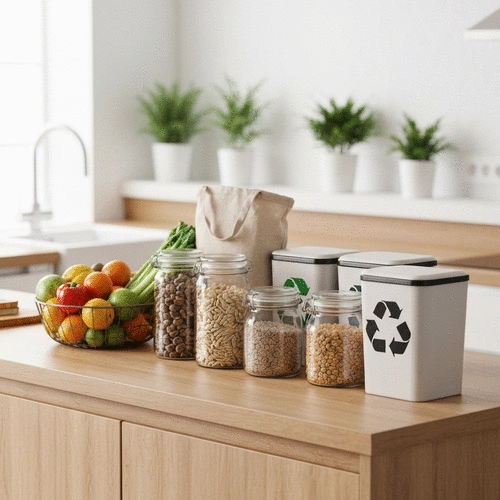
One of the first steps towards effective waste management is setting up a sorting system at home. Organizing your recycling bins makes it easier to dispose of materials correctly. Start with separate bins for plastics, glass, paper, metals, and organics. You can even label them to ensure everyone in your household knows where to place each item!
- Choose clear, color-coded bins for easy identification.
- Regularly clean your bins to prevent contamination.
- Encourage family members to participate in the sorting process.
Cleaning your bins is just as important as sorting; a quick rinse helps keep your recyclables contamination-free and ready for processing. Remember, a little organization goes a long way in making recycling a breeze!
Utilizing Composting for Organic Waste
Composting is another fantastic way to tackle organic waste. By composting, we can significantly reduce the volume of waste sent to landfills. Not only does this practice decrease methane emissions, but it also produces nutrient-rich soil for gardening!
- Start with a compost bin or pile in your yard.
- Add kitchen scraps like fruit peels, vegetable trimmings, and coffee grounds.
- Don’t forget to mix in yard waste like leaves and grass clippings!
Composting is easy and fun, and it allows you to engage with nature while doing good for the environment. Plus, your plants will thank you for the extra nutrients!
Navigating UAE-Specific Regulations and Programs
Understanding Local Waste Management Initiatives
The UAE has made significant strides in waste management, implementing various initiatives to promote recycling and sustainability. For example, Dubai’s green bins encourage households to recycle organic waste, while Sharjah is setting ambitious recycling goals to boost recovery rates. Keeping up with these local regulations ensures that we can effectively participate in the overall waste management effort.
Furthermore, being aware of these programs allows us to hold ourselves accountable and optimize our waste reduction strategies.
Identifying Drop-Off Points for Recyclables
Finding drop-off points for recyclables is essential for responsible waste disposal. In the UAE, many communities have designated locations for recycling various materials. To locate these drop-off points, check local municipality websites or community boards. Commonly accepted materials include:
- Plastic bottles and containers
- Glass jars and bottles
- Cardboard boxes
- Metal cans
By knowing where to take your recyclables, you can make a significant impact on waste reduction efforts in your community!
Engaging with the UAE Environment Agency and Local Authorities
The UAE Environment Agency, along with local authorities like Dubai Municipality and Abu Dhabi Waste Management Center (Tadweer), plays a crucial role in promoting sustainable practices. They offer resources, guidelines, and support to help residents adopt eco-friendly habits. Staying informed about their initiatives can empower us to make impactful changes in our waste management approaches.
Consider attending workshops or community events organized by these agencies to learn more about effective waste management practices and contribute to a greener future.
Pro Tip
Did you know? Setting up a waste reduction challenge with your family can make the process engaging and fun! Challenge each member to reduce their waste by a certain percentage each week. Share your successes and tips with each other to create a supportive environment for sustainability.
Summarizing Key Takeaways for Responsible Waste Management
As we wrap up our exploration of waste management in the UAE, it's crucial to reflect on the essential steps we've discussed for reducing household waste. Remember, effective waste reduction is a journey, not a destination! Each small action can significantly impact our environment.
To recap, we talked about setting up efficient waste sorting systems, utilizing composting for organic materials, and engaging with local recycling programs. Each of these strategies serves not only your home but also contributes to a cleaner and greener UAE.
Reviewing Essential Steps to Reduce Household Waste
Let’s break down the key strategies for effective waste reduction before recycling into a handy list:
- **Establish a Waste Sorting System**: Create designated bins for plastics, metals, glass, and organic waste.
- **Practice Composting**: Start a compost pile or bin to reduce organic waste and enrich your garden.
- **Engage in Local Initiatives**: Participate in community recycling programs and stay informed about local regulations.
- **Choose Reusable Products**: Opt for reusable bags, containers, and utensils to minimize single-use items.
- **Educate and Involve Others**: Share your waste reduction journey with family and friends to inspire collective action.
These steps are more than just suggestions; they are a roadmap to changing our habits and making a lasting difference.
Encouraging Ongoing Engagement in Sustainable Practices
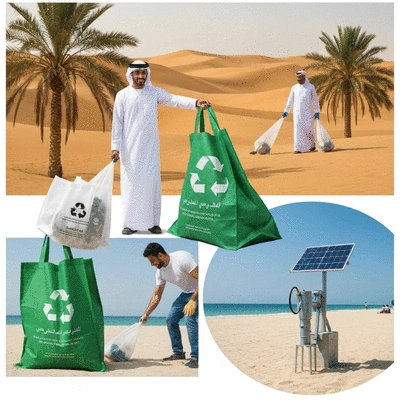
It's important to keep the momentum going! I encourage you to actively participate in local waste management initiatives. Whether it's joining a cleanup campaign or simply sharing your experiences on social media, every action counts. Connect with others in the community who share your passion for sustainability. Together, we can create a powerful ripple effect.
At EcoScrap UAE, we believe that engaging in these practices not only benefits the environment but also fosters a sense of community responsibility. Have you started sharing your recycling journey? What tips do you have for others?
Taking Action: Your Role in Waste Reduction
Now is the time to take action! Implement the strategies we've discussed and track your progress. Consider keeping a waste diary to see how much you reduce over time. It’s a rewarding experience to witness the impact of your efforts on both your waste footprint and your community.
Remember, every small change adds up. At EcoScrap UAE, we’re here to support you on this journey. Let’s commit to reducing our waste and promoting responsible recycling together!
FAQs on Waste Management in the UAE
Here are some frequently asked questions that may help clarify your journey toward effective waste management:
- What types of materials can be recycled in the UAE? Generally, plastics, paper, metals, and glass are accepted, but it’s best to check local guidelines.
- How can I find local recycling drop-off points? You can usually find this information on your local municipality's website or through community boards.
- Are there any regulations I should be aware of? Yes, each emirate has specific regulations regarding waste management and recycling, so stay informed!
- What can I do if my building doesn’t have recycling facilities? Organize a community effort to set up a recycling system or find local drop-off points to utilize.
- How does composting help reduce waste? Composting organic waste significantly reduces the amount of waste sent to landfills, lowering methane emissions and producing nutrient-rich soil.
- Why is waste reduction prioritized over recycling? Waste reduction minimizes resource consumption and energy use from the outset, making it the most impactful step in the waste hierarchy.
- What are some examples of reusable products to minimize single-use waste? Reusable bags, water bottles, coffee cups, and food containers are great options to reduce single-use plastic waste.
These FAQs can serve as a guide as you navigate your waste reduction efforts!
Understanding the Environmental Impact of Waste in the UAE
Understanding the environmental impact of our waste is vital. Each item we dispose of has a life cycle that affects our planet, from production to disposal. By adopting sustainable living practices, we can collectively work towards a healthier environment in the UAE. For instance, a recent nationwide study in the UAE aims to track household food waste, highlighting the country's commitment to tackling this significant environmental challenge.
At EcoScrap UAE, we are dedicated to leading the charge in responsible waste management. Let's all commit to being more mindful of our consumption habits and strive for a sustainable future together. Remember, every small action matters, and it starts with you!
Recap of Key Points
- Emphasize reducing waste as a priority before recycling to minimize our environmental footprint.
- Establish effective waste sorting systems at home for easier recycling.
- Utilize composting to manage organic waste and create nutrient-rich soil.
- Engage with local waste management initiatives to stay informed and accountable.
- Encourage the use of reusable products to reduce single-use waste.