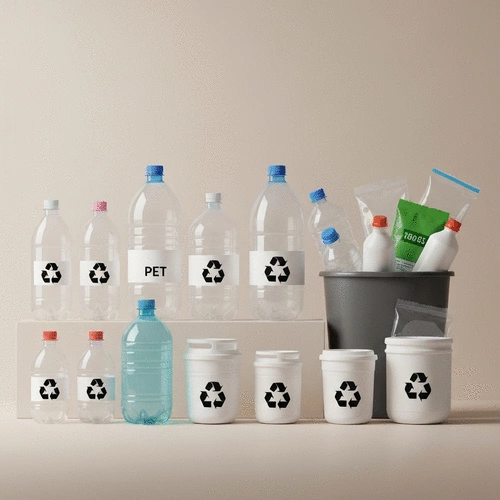
What if every piece of plastic you discarded could be transformed into something valuable? With the right knowledge and actions, we can all contribute to sustainable practices and a healthier planet. Here’s a glimpse into the essential insights regarding plastic recycling in the UAE that can empower you to make a difference.
What You Will Learn
- Understanding the environmental impact of plastic waste and the importance of recycling in mitigating pollution.
- Identifying different types of plastics using SPI codes to enhance recycling efficiency.
- Recognizing the benefits of recycling, such as protecting wildlife and conserving resources.
- Practical steps for community involvement to foster a culture of recycling and sustainability.
Plastic Recycling: Types and Potential in the UAE
An overview of common plastic types, their typical uses, and their recycling potential, highlighting the importance of proper identification for effective waste management.
PET (Polyethylene Terephthalate)
Uses: Beverage bottles, food jars.
Recycling: Widely accepted and recycled.
HDPE (High-Density Polyethylene)
Uses: Milk jugs, detergent bottles, bins.
Recycling: Commonly recycled.
PP (Polypropylene)
Uses: Yogurt containers, straws, car parts.
Recycling: Growing opportunities, becoming more common.
LDPE (Low-Density Polyethylene)
Uses: Grocery bags, plastic films, squeeze bottles.
Recycling: Less commonly recycled, but potential exists.
PVC (Polyvinyl Chloride)
Uses: Pipes, window frames, some packaging.
Recycling: Challenging, limited acceptance.
PS (Polystyrene)
Uses: Disposable coffee cups, takeout containers, foam packaging.
Recycling: Not widely recycled.
Others (Mixed Plastics)
Uses: Various, including multi-layer packaging.
Recycling: Depends heavily on local facilities and technology.
Understanding Plastic Types and Their Recycling in the UAE
Plastic waste has become a significant environmental concern, particularly in the UAE, where rapid urbanization and population growth have escalated the demand for effective waste management solutions. At EcoScrap UAE, we understand that recycling plastic is not just about compliance; it's about responsibility to our planet. By effectively recycling plastics, we can reduce pollution, conserve natural resources, and create a cleaner environment for future generations.
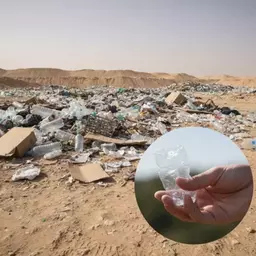
The environmental impact of plastic waste is profound. Millions of tons of plastic end up in landfills or the ocean, harming wildlife and disrupting ecosystems. According to a report by the Gulf Petrochemicals and Chemical Association (GPCA), plastic waste volumes in the Gulf region are projected to almost double by 2030, underscoring the urgent need for action. Effective recycling is crucial as it not only minimizes waste but also aids in repurposing materials, reducing the need to produce new plastics. It's an opportunity for everyone to play a part in the sustainability movement!
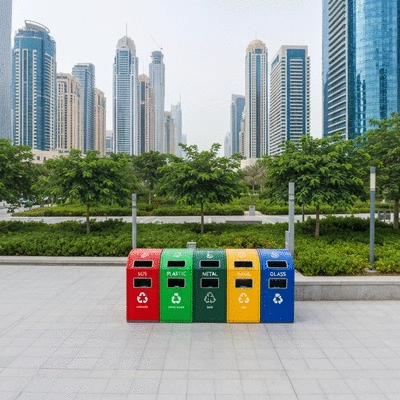
The Importance of Recycling Plastic in the UAE
As an advocate for sustainable waste management, I often emphasize the need for communities to embrace recycling. In the UAE, where plastic consumption is high, we must prioritize recycling to mitigate the adverse effects of plastic pollution. The Dubai Sustainability Report 2024 highlights ongoing efforts and the importance of public participation in achieving environmental goals. Think about the vast amounts of plastic packaging we encounter daily—every piece recycled contributes to a healthier environment!
- Protects marine life by reducing plastic in oceans.
- Conserves energy and resources needed for producing new plastic.
- Supports local economies through recycling initiatives.
By understanding the importance of recycling plastic, we can all take actionable steps towards a sustainable future. Together, we can lead the way in creating a culture that values recycling and environmental stewardship!
Identifying Different Types of Plastic
To recycle plastic effectively, we first need to identify what type of plastic we are dealing with. This is where the Society of the Plastics Industry (SPI) codes come in handy. These codes, usually found on the bottom of plastic containers, help consumers recognize the type of plastic and whether it can be recycled in their local programs.
Understanding these codes is essential because different plastics have varying properties and recycling processes. In the UAE, being knowledgeable about these codes can enhance our recycling efforts and ensure that we’re sorting plastics correctly.
Overview of Common Plastic Types
There are seven main types of plastics, each with its unique properties and recycling potential. Here’s a quick overview:
- PET (Polyethylene Terephthalate): Often found in beverage bottles, it's widely accepted for recycling.
- HDPE (High-Density Polyethylene): Commonly used for milk jugs and detergent bottles, it's also recyclable.
- PP (Polypropylene): Used for yogurt containers and straws; recycling opportunities are growing.
- LDPE (Low-Density Polyethylene): Found in grocery bags, it’s less commonly recycled but has potential.
- PVC (Polyvinyl Chloride): Used for pipes and some packaging, recycling can be challenging.
- PS (Polystyrene): Often used for disposable coffee cups and takeout containers; it’s not widely recycled.
- Others: This category includes various plastics, some of which can be recycled but depend on local facilities.
By understanding these types, we can make informed decisions on how to recycle effectively! It’s all about knowing what we can and cannot recycle.
Understanding Recycling Symbols and Their Importance
Recycling symbols are essential tools in our recycling journey. They serve as visual cues that inform us whether a plastic item can be recycled and how to do so properly. Familiarizing ourselves with these symbols can significantly improve our recycling habits.
For example, the triangular symbol with arrows indicates that the item is recyclable, but you'll often see specific numbers within that triangle, which correspond to the SPI codes we've discussed. This helps you identify not just the material but its recycling process as well. Recent advancements, such as those in AI-based solutions for plastic recycling developed at Khalifa University, aim to further enhance the efficiency of sorting and processing different plastic types.
At EcoScrap UAE, we encourage everyone to take a moment to check these symbols before disposal. Doing so can help reduce contamination in recycling streams, making the entire process more efficient!
Pro Tip
Did you know? By rinsing out your plastic containers before recycling, you can significantly reduce contamination in recycling streams. This simple step not only ensures that your recycling efforts are effective but also supports a more efficient recycling process!
Frequently Asked Questions About Plastic Recycling in the UAE
- What is the most common type of plastic recycled in the UAE?
- PET (Polyethylene Terephthalate), often found in beverage bottles, and HDPE (High-Density Polyethylene), used for milk jugs and detergent bottles, are among the most commonly recycled plastics in the UAE.
- Why is it important to identify plastic types using SPI codes?
- Identifying plastic types with SPI codes is crucial because different plastics have distinct properties and require specific recycling processes. Proper identification ensures that plastics are sorted correctly, which improves the efficiency of recycling and reduces contamination.
- Does rinsing plastic containers before recycling make a difference?
- Yes, rinsing plastic containers before recycling significantly reduces contamination in recycling streams. This simple act ensures that the recycled material is cleaner and more viable for reprocessing, making the overall recycling process more effective.
- How can communities get involved in plastic recycling efforts in the UAE?
- Communities can get involved by organizing recycling education campaigns, hosting clean-up events, setting up local social media groups for sharing recycling tips, encouraging local businesses to adopt recycling practices, and volunteering with organizations like EcoScrap UAE.
- Are all plastics recyclable in the UAE?
- Not all plastics are widely recycled in the UAE. While PET and HDPE are commonly accepted, plastics like PVC (Polyvinyl Chloride) and PS (Polystyrene) are more challenging to recycle and have limited acceptance in many facilities. The recyclability of 'Others' (mixed plastics) depends heavily on local facilities and technology.
Summarizing Effective Plastic Recycling Practices
As we wrap up our discussion on plastic recycling in the UAE, it's clear that understanding plastic types and their recycling is vital for a sustainable future. From the importance of proper identification using SPI codes to recognizing the potential of various plastics, we've explored how each step plays a crucial role in waste management. By taking action, we can reduce the environmental impact of plastic waste together!
As an advocate for sustainable practices at EcoScrap UAE, I believe that every effort counts. It's not just about recycling; it's about fostering a culture of awareness and responsibility toward our environment. Let’s dive into some practical steps that we all can take to make a difference!
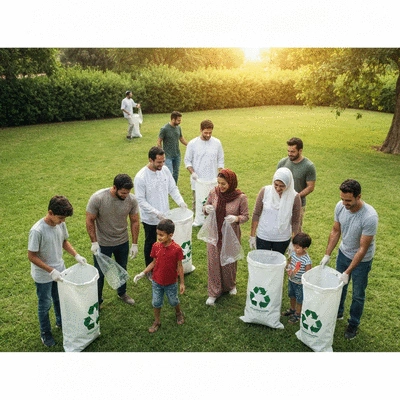
Encouraging Community Involvement in Recycling
Community involvement is essential in creating a strong recycling culture. Here are some actionable steps you can take to engage in local recycling efforts and educate others:
- Start a recycling education campaign in your neighborhood to raise awareness.
- Host a community clean-up event to collect plastic waste and promote recycling initiatives.
- Set up a local group on social media to share tips and updates about recycling.
- Encourage local businesses to adopt recycling practices and provide them with resources.
- Volunteer with organizations like EcoScrap UAE to gain hands-on experience and knowledge.
By getting involved, not only do we contribute to cleaner surroundings, but we also inspire others to follow suit. Imagine if everyone in the UAE committed to these small actions—what a significant impact we could achieve!
Resources for Further Information
To expand your knowledge about recycling and its practices, consider exploring the following resources:
- U.S. Environmental Protection Agency - Recycling Basics
- Bee’ah - Innovative Recycling Solutions
- EcoWaste - Plastic Recycling in the UAE
- Green Truck - Local Recycling Services
- Join local workshops or webinars hosted by community organizations on sustainability.
These resources can provide valuable insights and techniques to enhance your recycling efforts. Remember, every small step you take contributes to a healthier planet, and at EcoScrap UAE, we are excited to be part of this journey with you!
Recap of Key Points
Here is a quick recap of the important points discussed in the article:
- Recycling plastic is essential for reducing pollution and conserving natural resources in the UAE.
- Understanding the Society of the Plastics Industry (SPI) codes is crucial for effective recycling.
- Different types of plastics have varying recycling potentials; familiarizing yourself with them can enhance recycling efforts.
- Community involvement is key; engage in local recycling initiatives to foster a culture of sustainability.
- Utilize recycling symbols to ensure proper disposal and minimize contamination in recycling streams.