What if the way you dispose of your trash could impact the environment more than you realize? Understanding proper recycling is essential to making a positive change. Here’s what you need to know about improving waste management and recycling practices in the UAE.
What You Will Learn
- Improper recycling can contaminate entire batches of recyclable materials, leading to more waste.
- The UAE's recycling rate is only 20%, significantly below the global average, highlighting the need for awareness and education.
- E-waste, food waste, and construction debris are major contributors to landfill waste, each requiring specific disposal methods.
- Implementing source separation at home can streamline recycling efforts and enhance waste management efficiency.
UAE Recycling Overview: Statistics & Waste Streams
Understanding the current state of recycling in the UAE and the types of waste contributing to landfills is crucial for environmental improvement. Below are key statistics and major waste streams.
Recycling Rate Comparison: UAE vs. Global Average
UAE
Global Average
UAE's recycling rate is significantly below the global average.
E-Waste Recycling in UAE
Only 12% of e-waste is recycled properly, posing environmental risks.
Waste in UAE Landfills (2022)
3.5M Tons
Landfills received millions of tons, with much being recyclable.
Key Waste Streams & Their Impact
E-waste
Hazardous materials leach into ground.
Food waste
Methane emissions from decomposition.
Construction debris
Large volume of non-recycled landfill waste.
Understanding the Consequences of Improper Recycling in the UAE
Have you ever stopped to think about what happens when we don’t recycle properly? Improper recycling can have serious consequences, especially in a rapidly developing region like the UAE. As an environmental advocate, I, Aliyah Hassan, see firsthand how our actions impact the planet, and I want to share insights that can help us all contribute to a cleaner future.
Improper recycling refers to the incorrect disposal of recyclable materials, which leads to contamination and increases waste in landfills. Many people are unaware that not all items marked with the recycling symbol are accepted in local programs. Understanding what constitutes improper recycling is crucial as it affects the efficiency of our waste management systems, which are essential for environmental sustainability in the UAE, as outlined by the UAE government's initiatives for waste management.
Defining Improper Recycling and Its Current State in the UAE
What Does Improper Recycling Mean?
Improper recycling occurs when materials that cannot be recycled are mixed in with recyclable materials. This can include items like greasy pizza boxes, plastic bags, or composite materials that confuse sorting machines. When these items enter the recycling stream, it can ruin entire batches of recyclables, leading to more waste and environmental harm. The Abu Dhabi Waste Management Policy Brief further elaborates on the challenges and strategies for effective waste management in the region.
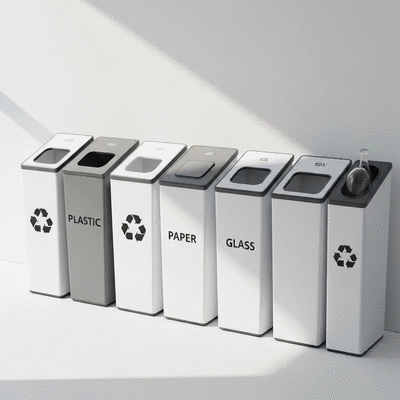
In the UAE, where rapid urbanization is advancing, improper recycling reflects not only a lack of awareness but also the need for better infrastructure to handle various waste streams. Education and proper disposal methods can significantly reduce the amount of material that ends up in landfills, in line with UAE legislation concerning environmental protection.
Statistics on Recycling Rates in the UAE
- The UAE's recycling rate is around 20%, which is significantly below the global average of 30%.
- Only 12% of e-waste is recycled properly, leading to increased environmental concerns.
- In 2022, UAE landfills received about 3.5 million tons of waste, with a large portion being recyclable materials.
These statistics highlight a pressing need for improvement in our recycling habits. At EcoScrap UAE, we’re committed to changing this narrative by providing accessible recycling services and raising awareness about responsible waste management.
The Journey of Waste: What Happens to UAE Waste in Landfills?
A Step-by-Step Look Inside UAE Landfills
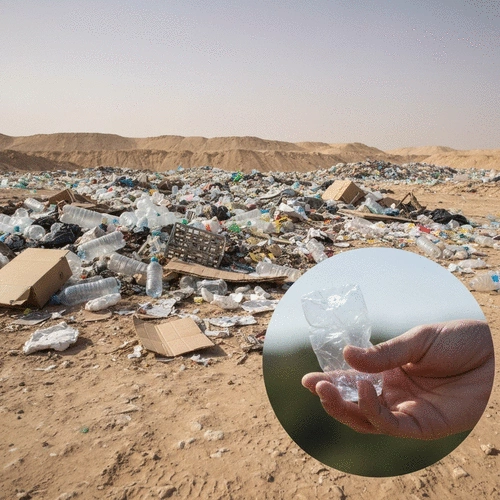
When waste is improperly disposed of, it ends up in landfills, creating a cascading effect of environmental issues. First, waste is collected and transported to landfill sites, where it is dumped in large pits. Over time, layers of waste build up, and as organic materials decompose, they produce methane, a potent greenhouse gas.
This process not only contributes to air pollution but also clogs our landfills, which are running out of space. As we continue to fill these landfills with improperly recycled materials, we risk severe impacts on both our health and the environment.
Key Waste Streams: E-Waste, Food Waste, and Construction Debris
- E-waste: Contains hazardous materials like heavy metals that can leach into the ground.
- Food waste: Contributes significantly to methane emissions when decomposing in landfills.
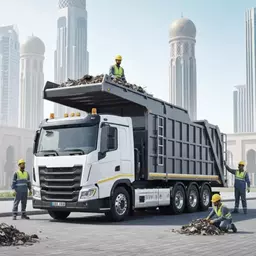
- Construction debris: Often not recycled, resulting in a large volume of landfill waste.
Each of these waste streams has unique challenges and impacts, showing how crucial it is for us to adopt better recycling practices. By focusing on responsible disposal and recycling of these materials, we can make a real difference.
The Role of E-Waste in the UAE's Waste Management Landscape
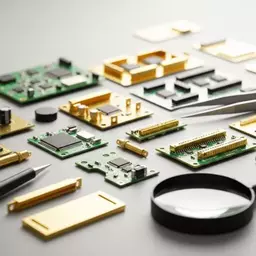
E-waste, or electronic waste, is one of the fastest-growing waste streams in the UAE. As technology advances, we frequently upgrade our devices, leading to piles of old electronics. Unfortunately, many people are unaware of the dangers associated with improper disposal of e-waste. These devices can leak harmful chemicals, polluting our soil and water.
At EcoScrap UAE, we believe it’s essential to educate the community about the proper disposal of e-waste. By offering dedicated e-waste recycling services, we aim to ensure that these materials are handled responsibly, ultimately reducing their impact on the environment.
Frequently Asked Questions (FAQs)
We Want to Hear From You!
How do you currently handle recycling in your home or workplace? Share your thoughts and practices with us!
Strategies for Improving Waste Management and Recycling Practices
As an environmental advocate and owner of EcoScrap UAE, I believe that everyone can play a crucial role in enhancing waste management and recycling practices. It starts at home and in our businesses! Implementing effective strategies can make a significant difference in how we handle waste. Here are some actionable steps you can take:
Actionable Steps for Households and Businesses
Making a positive impact begins with adopting best practices in waste management. Below are some simple yet effective strategies that can be implemented:
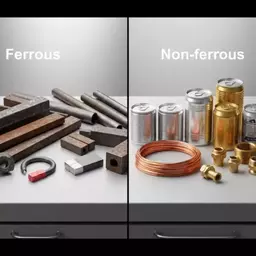
- Implementing Source Separation at Home: Designate separate bins for different materials like plastics, metals, and paper. This small change can streamline the recycling process!
- Effective E-Waste Disposal Options in the UAE: Research local e-waste recycling programs. Many companies, including EcoScrap, offer specialized services to safely dispose of electronic devices.
- Waste Sorting Practices to Enhance Recycling Efficiency: Educate yourself and your family on what materials can be recycled and ensure they are clean and dry before placing them in the recycling bin.
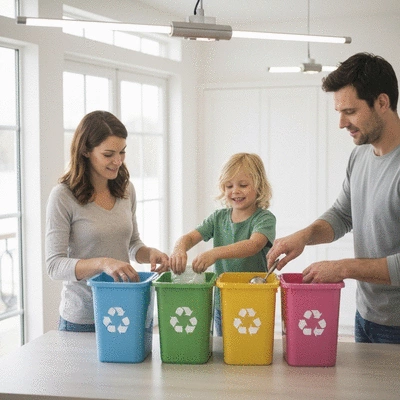
By following these steps, we can significantly improve our recycling efforts and lessen the burden on landfills across the UAE. It’s about creating habits that lead to a cleaner, greener environment!
Encouraging Community Engagement and Education
Community involvement is essential for successful recycling initiatives. When we work together, we can achieve remarkable outcomes! Here are some ways to boost engagement:
- Local Campaigns and Initiatives Promoting Responsible Recycling: Join forces with local organizations to participate in recycling drives and educational workshops.
- Success Stories: Communities Making a Difference: Share stories of local groups that have successfully improved recycling rates. This helps motivate others to take action!
- Recycling Awareness Campaigns: Fostering Eco-Conscious Consumerism: Promote events that teach the importance of recycling and the impact of waste on our environment.
Each of us has the potential to inspire change in our communities. When we share knowledge and encourage participation, we build a more sustainable future together!
Recap of Key Points
Here is a quick recap of the important points discussed in the article:
- Improper recycling can lead to contamination, increased waste, and environmental harm.
- The UAE's recycling rate is around 20%, significantly below the global average, highlighting the need for improved recycling habits.
- Effective waste management practices include source separation, educational programs, and community engagement to promote responsible recycling.
- E-waste, food waste, and construction debris are key waste streams that require specific disposal methods to reduce their environmental impact.
- Taking actionable steps at home and in businesses can greatly enhance recycling efforts and lessen landfill burden.