What if every piece of plastic you recycled contributed to a healthier planet? This simple act of recycling can significantly impact our environment and communities, but many are still unaware of its profound importance. Let’s explore how you can be part of the solution.
What You Will Learn
- Recycling plastic conserves natural resources and reduces greenhouse gas emissions, saving significant landfill space.
- Effective plastic waste management generates economic opportunities, creating thousands of jobs in the recycling industry.
- Plastic pollution affects global ecosystems, threatening wildlife and human health through microplastics.
- Practical home tips, like setting up a recycling station and educating your family, can enhance your recycling efforts.
- Engaging in community recycling programs amplifies your impact and raises awareness for sustainable practices.
- Supporting a circular economy and understanding Extended Producer Responsibility (EPR) are essential for sustainable plastic practices.
The Global Challenge of Plastic Pollution and the Impact of Recycling
An estimated 8 million tons of plastic enter our oceans annually. Recycling just one ton of plastic can save 7.4 cubic yards of landfill space. The visual below highlights key aspects of this challenge and the benefits of recycling.
Global Plastic Pollution: Ocean Influx
An estimated 8 million tons of plastic enter our oceans each year.
Landfill Space Saved per Ton of Plastic
Recycling 1 ton of plastic saves up to 7.4 cubic yards of landfill space.
Key Benefits of Recycling Plastic
- Conservation of Resources
- Reduction of Pollution
- Energy Savings
Economic Advantages of Plastic Recycling
- Job Creation in recycling facilities
- Cost Savings for companies using recycled materials
- Boost to Local Economies through investment
Understanding the Importance of Efficient Plastic Waste Recycling
As an environmental advocate with a deep commitment to sustainable practices, I believe understanding the importance of efficient plastic waste recycling is crucial for everyone. Plastic waste poses a significant threat to our planet, affecting ecosystems and human health alike. By improving our recycling methods, we not only minimize waste but also contribute to a cleaner and healthier environment.
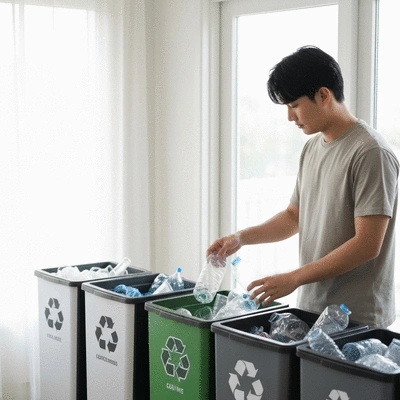
In the UAE, where EcoScrap operates, we see firsthand the impact of plastic pollution. Every piece of plastic that is recycled properly reduces the amount that ends up in landfills or, even worse, our oceans. The ripple effect of responsible recycling can be transformative for our communities and our planet!
Why Recycling Plastic Matters for the Environment
Recycling plastic is a vital step in combating environmental degradation. When we recycle, we conserve natural resources and reduce greenhouse gas emissions. For instance, the U.S. Department of Energy highlights strategies for plastics innovation, underlining the importance of recycling to conserve energy and reduce waste. In fact, recycling just one ton of plastic can save up to 7.4 cubic yards of landfill space, which is a significant relief for our overflowing waste management systems.
- Conservation of Resources: Recycling plastic reduces the need for virgin materials, conserving precious resources.
- Reduction of Pollution: Proper recycling minimizes pollution from manufacturing processes.
- Energy Savings: The energy saved from recycling plastic is substantial, impacting climate change positively.
At EcoScrap UAE, we are passionate about leading the charge in advocating for these benefits. By educating our clients about responsible disposal and recycling practices, we aim to inspire others to join us in this crucial endeavor!
The Economic Benefits of Effective Plastic Waste Management
Effective plastic waste management not only benefits the environment but also creates economic opportunities. Did you know that the recycling industry generates thousands of jobs? By engaging in responsible recycling efforts, we can bolster local economies while promoting a sustainable future.
- Job Creation: Recycling facilities require a workforce for collection, sorting, and processing.
- Cost Savings: Companies can save money by using recycled materials instead of more expensive virgin resources.
- Boost to Local Economies: Enhanced recycling programs can lead to increased local investment and community development.
As an advocate for sustainable practices, I often share these insights with our clients at EcoScrap UAE. Understanding the economic impact of recycling not only encourages participation but also highlights its importance to community growth and stability.
Plastic Pollution: The Global Challenge
Plastic pollution is not just a local issue; it's a global crisis that affects every corner of our planet. From marine life suffering in polluted oceans to the long-term health consequences for humans, the effects of plastic waste are far-reaching. Every year, an estimated 8 million tons of plastic enter our oceans, devastating wildlife and ecosystems. The EPA's draft national strategy to prevent plastic pollution further emphasizes the urgent need for comprehensive solutions.
- Threat to Wildlife: Animals often mistake plastic for food, leading to serious health complications.
- Impact on Human Health: Microplastics can find their way into our food chain, affecting human health.
- Global Inequality: Developing nations often bear the brunt of plastic pollution, as they lack adequate waste management systems.
At EcoScrap, we strive to address these challenges head-on. By educating our community about the importance of recycling and responsible waste management, we can work together to turn the tide on plastic pollution. Let's be proactive and make a difference today!
Pro Tip
Did you know? Implementing a simple habit of rinsing plastic containers before recycling can significantly reduce contamination rates. This small step ensures that your recyclables are clean, making them more likely to be processed and turned into new products. Every effort counts in the fight against plastic waste!
Taking Action: How You Can Make a Difference
At EcoScrap UAE, we believe that everyone has the power to contribute to a cleaner planet! By embracing efficient plastic recycling practices, you can play a vital role in reducing plastic waste. Here are some practical home tips to get you started.
Practical Home Tips for Efficient Plastic Recycling
Recycling plastics at home can be simple and impactful. Implementing small changes can lead to significant results. Here are some tips you can try:
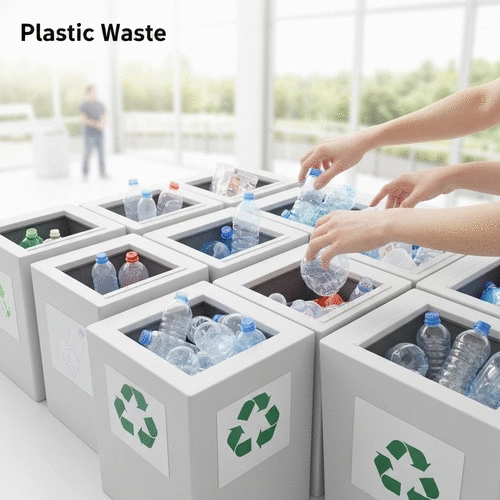
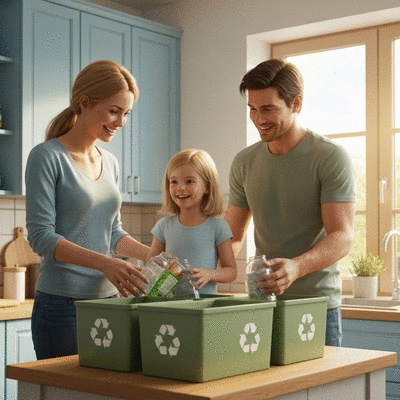
- Set Up a Recycling Station: Designate a specific area in your home for plastic recyclables. Use labeled bins for different types of plastics to make sorting easy!
- Rinse Before Recycling: Ensure your plastic containers are clean before tossing them in the recycling bin. Even a quick rinse can prevent contamination.
- Educate Your Family: Teach your household about the different types of plastics and their recycling symbols. Knowledge empowers everyone to participate!
- Stay Updated: Keep up with local recycling guidelines. Different areas have varying rules, and knowing them can enhance your recycling efforts.
By following these steps, you're not only ensuring that your plastic waste is disposed of correctly but also inspiring those around you to join in the effort.
DIY Upcycling Projects to Try
Upcycling is a fantastic way to keep plastics out of landfills while getting creative! Here are some fun DIY projects you can tackle this weekend:
- Plastic Bottle Planters: Cut plastic bottles in half, add soil, and turn them into unique plant pots for your garden or balcony.
- Storage Solutions: Use large plastic containers to create organization systems for toys, craft supplies, or tools.
- Creative Art Projects: Transform plastic caps into colorful mosaics or collages. It’s a great way to engage with kids!
Every upcycled project not only reduces waste but also demonstrates how something perceived as trash can be turned into treasure.
Engaging in Community Recycling Programs
Community involvement is key! Participating in local recycling programs can greatly enhance our collective impact. Here’s how you can get involved:
- Join Local Clean-Up Events: Many communities organize clean-up days to pick up litter, including plastics. Check local listings to find opportunities!
- Support Local Initiatives: Many organizations and schools run recycling drives. Offer your time or resources to help them succeed.
- Start a Neighborhood Recycling Challenge: Encourage neighbors to recycle more effectively. Friendly competition can motivate everyone to improve their habits!
By becoming active in your community’s recycling efforts, you help raise awareness and motivate others to join in the fight against plastic pollution. Together, we can make a lasting difference!
Join the Movement: Supporting a Circular Economy
As individuals, we have the power to influence positive change. Supporting a circular economy means promoting a system where waste is minimized, and resources are reused effectively.
The Role of Consumers in Sustainable Plastic Practices
Consumers play a crucial role in the success of recycling initiatives. Here are some ways you can make an impact:
- Buy Recycled Products: Whenever possible, choose products made from recycled materials. This creates demand and encourages manufacturers to produce sustainably.
- Be a Smart Shopper: Look for brands that prioritize sustainability and have clear recycling programs in place.
- Advocate for Change: Use your voice to support policies and initiatives that promote recycling and waste reduction.
Your purchasing choices send a powerful message to companies about the importance of sustainability.
Investing in Recycling Initiatives and Closed-Loop Systems
Investing in recycling initiatives can help build a more sustainable future. Here’s why it matters:
- Support Local Recycling Facilities: Your investment can help improve and expand local recycling capabilities.
- Participate in Sustainability Programs: Get involved with businesses that focus on closed-loop systems, where products are designed to be reused or recycled.
- Educate Others: Share information about the benefits of recycling and sustainable practices with friends and family.
By investing in these initiatives, you contribute to a future where resources are valued and waste is minimized.
Understanding Extended Producer Responsibility (EPR) and Its Importance
Extended Producer Responsibility (EPR) is a policy approach where manufacturers are held responsible for the entire lifecycle of their products. This includes recycling and disposal. The EPA's discussion on sustainable materials management for plastic waste further elaborates on such policies. Here are some key points to consider:
- Encourages Sustainable Design: EPR encourages companies to design products that are easier to recycle.
- Reduces Waste: By holding producers accountable, EPR helps decrease the amount of waste ending up in landfills.
- Increases Recycling Rates: Producers are motivated to ensure their products are recycled properly, leading to higher recycling rates.
By understanding and supporting EPR policies, we can push for a more sustainable future! Let’s work together to hold producers accountable and promote responsible practices.
Frequently Asked Questions About Plastic Recycling
Here are some common questions about plastic recycling and its impact:
- Why is recycling plastic important for the environment? Recycling plastic conserves natural resources, reduces greenhouse gas emissions, and saves significant landfill space, thereby combating environmental degradation.
- How does plastic recycling benefit the economy? Plastic recycling creates thousands of jobs in the recycling industry, offers cost savings for companies using recycled materials, and boosts local economies through investment.
- What are microplastics and how do they impact human health? Microplastics are tiny plastic particles that can enter our food chain, posing potential long-term health consequences for humans.
- What are some practical tips for efficient plastic recycling at home? Practical tips include setting up a dedicated recycling station, rinsing plastic containers before recycling to prevent contamination, educating your family on recycling symbols, and staying updated on local recycling guidelines.
- What is a circular economy and how can consumers support it? A circular economy is a system where waste is minimized and resources are reused. Consumers can support it by buying recycled products, choosing sustainable brands, and advocating for waste reduction policies.
- What is Extended Producer Responsibility (EPR)? EPR is a policy approach that holds manufacturers responsible for the entire lifecycle of their products, including their recycling and disposal, encouraging sustainable design and increased recycling rates.
Conclusion: Embracing Efficient Plastic Waste Recycling
It’s clear that everyone can play a part in the recycling movement. As we adopt efficient plastic waste recycling practices, we contribute to a healthier planet for future generations.
Your Journey Towards Sustainable Practices Starts Now
Take the first steps today! Whether it's starting a recycling station at home or participating in community initiatives, your actions matter. Let's make a commitment to sustainability together!
Resources for Further Learning and Engagement
- Local Recycling Guidelines: Check your municipality’s website for specific recycling rules.
- EcoScrap UAE: Visit our website to learn more about our services and how you can participate in recycling efforts.
- Books and Articles: Look for literature on sustainable practices and environmental stewardship.
Together, we can turn the tide on plastic waste and promote a more sustainable future! Let's dive into this journey and inspire others along the way.
Recap of Key Points
Here is a quick recap of the important points discussed in the article:
- Importance of Recycling: Efficient plastic waste recycling is crucial for minimizing environmental impact and conserving natural resources.
- Environmental Benefits: Recycling reduces pollution, conserves energy, and decreases greenhouse gas emissions.
- Economic Impact: The recycling industry creates jobs, saves costs for companies, and boosts local economies.
- Community Engagement: Participating in local recycling programs and clean-up events enhances collective impact on plastic pollution.
- Consumer Role: Consumers can influence sustainability by buying recycled products and supporting companies with responsible practices.
- Extended Producer Responsibility (EPR): EPR policies encourage manufacturers to design recyclable products and reduce waste.