Did you know that recycling aluminum saves up to 95% of the energy required to produce new aluminum? This staggering statistic highlights the immense impact of recycling on energy conservation and resource management.
What You Will Learn
- Recycling scrap metal conserves natural resources, reduces energy consumption, and minimizes greenhouse gas emissions.
- Understanding the difference between ferrous and non-ferrous metals can help you maximize your recycling payouts.
- Market demand and economic factors significantly influence scrap metal prices, making it important to stay informed for optimal returns.
- Knowing which plastics are recyclable and understanding their environmental impact can significantly contribute to reducing plastic waste.
- Proper preparation of scrap materials, including sorting and cleaning, can enhance your recycling experience and financial returns.
- Choosing the right recycling partner is essential, and evaluating their reputation, services, and environmental commitment can amplify your recycling efforts.
Scrap Metal & Plastic Recycling Insights
Diving into the world of recycling reveals key differences between materials and processes. Below is a comparison of metal types and plastic characteristics, alongside the essential steps for successful recycling and maximizing returns.
Scrap Metal Energy Savings
Energy saved by recycling aluminum compared to new production.
- • Conserves natural resources
- • Reduces greenhouse gas emissions
Metal Types Comparison
Ferrous
(Magnetic, contains iron)
Steel, Cast Iron
Non-Ferrous
(Non-magnetic, no iron)
Aluminum, Copper, Brass
Knowing the type improves payout.
Plastic Types & Recyclability
| Type | Uses | Recycle |
|---|---|---|
| PET | Drink bottles | Widely |
| HDPE | Milk jugs | Widely |
| PVC | Pipes | Limited |
Check local guidelines for acceptance.
Key Steps for Recycling Success
-
Sort: Separate metals and plastics.
(Leads to better pricing)
-
Clean: Remove contaminants.
(Increases material quality)
-
Prepare: Package properly.
(Saves time during sale)
Understanding Scrap Metal and Plastic Recycling
Recycling has become a crucial part of our efforts to protect the environment, and scrap metal and plastic recycling are two of the most significant areas to focus on. As someone who has spent years promoting sustainable waste management practices, I can tell you that understanding the basics of these recycling streams can empower you to make better choices. Let's dive into what you need to know, starting with scrap metals!
What You Need to Know About Recycling Scrap Metals
The Importance of Recycling Scrap Metal
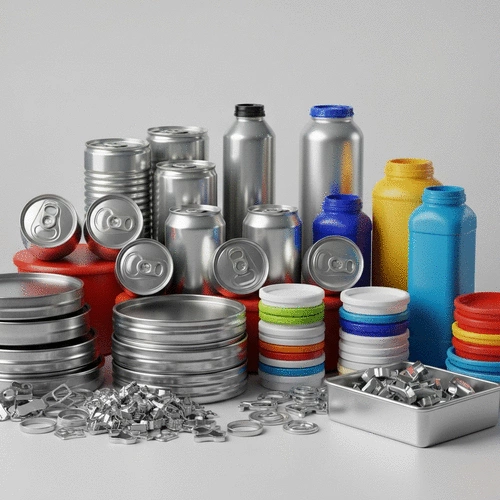
Recycling scrap metal is not just about making a profit; it also plays a vital role in conserving our natural resources. By reprocessing metals, we reduce the demand for new materials and help lower greenhouse gas emissions. Did you know that recycling aluminum saves up to 95% of the energy required to produce new aluminum? This is a compelling reason to recycle your scrap metals!
- Conserves natural resources
- Reduces energy consumption
- Lowers greenhouse gas emissions
- Supports local economies
By recycling metals, we can contribute to a circular economy where materials are reused, and waste is minimized. Every piece you recycle sends a message that sustainability matters! For more information on best practices in this industry, consult resources like the EPA's guidelines for metal shredders.
Key Types of Scrap Metals: Ferrous vs Non-Ferrous
When it comes to scrap metals, understanding the difference between ferrous and non-ferrous metals is essential. Ferrous metals contain iron and are magnetic, while non-ferrous metals do not. Common examples include:
- Ferrous Metals: Steel, cast iron
- Non-Ferrous Metals: Aluminum, copper, brass
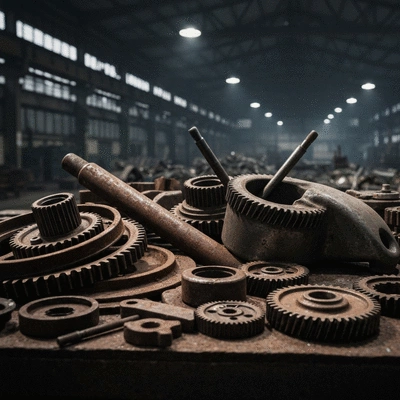
Knowing which type you have can help you get a better payout when recycling at EcoScrap UAE. Don't forget to check for any contaminants, as clean metals fetch higher prices! Safety is also paramount in scrap metal recycling, and you can find comprehensive guidelines from organizations like OSHA on metal scrap recycling to ensure a safe process.
Market Demand for Scrap Metals: Understanding Price Fluctuations
The market for scrap metals can be volatile, with prices fluctuating based on global demand and economic factors. As a recycling expert, I encourage you to keep an eye on these trends to maximize your returns. Factors that influence scrap metal prices include:
- Global supply and demand
- Economic growth in industrial sectors
- Commodity prices for raw materials
Staying informed about these factors can help you time your recycling efforts for the best financial return!
The Role of Plastics in Recycling
Common Plastics Accepted by Recycling Companies
Plastics are another significant part of the recycling equation. Various types of plastics can be recycled, but it's crucial to know which ones are accepted. Commonly accepted plastic types include:
- Polyethylene Terephthalate (PET)
- High-Density Polyethylene (HDPE)
- Polyvinyl Chloride (PVC)
Before tossing your plastic items in the recycling bin, check your local guidelines to see what is accepted. At EcoScrap UAE, we strive to ensure that the plastics we collect are appropriately sorted and processed!
The Impact of Plastic Waste on the Environment
The effects of plastic waste on our planet are staggering. From polluting oceans to harming wildlife, the need for effective recycling is more pressing than ever. When we recycle plastics, we:
- Reduce landfill waste
- Conserve energy and resources
- Minimize environmental impact
Every time we make the effort to recycle plastic, we contribute to a healthier planet for future generations!
Understanding Different Plastic Types: PET, HDPE, and PVC
Each type of plastic has unique properties and recycling processes. For instance, PET is commonly used for beverage bottles, while HDPE is found in containers like milk jugs. Understanding these differences can help you separate your recyclables more effectively. Here’s a quick comparison:
| Plastic Type | Common Uses | Recyclability |
|---|---|---|
| PET | Drink bottles, food containers | Widely recycled |
| HDPE | Milk jugs, detergent bottles | Widely recycled |
| PVC | Pipes, vinyl flooring | Not always accepted |
Learning about these plastics not only helps with effective recycling but also empowers us to make more sustainable choices in our everyday lives!
Frequently Asked Questions about Scrap Metal & Plastic Recycling
- 1. Why is recycling scrap metal important?
- Recycling scrap metal conserves natural resources, reduces energy consumption (e.g., 95% for aluminum), lowers greenhouse gas emissions, and supports local economies by reducing the demand for new materials.
- 2. What is the difference between ferrous and non-ferrous metals?
- Ferrous metals contain iron and are magnetic (like steel and cast iron), while non-ferrous metals do not contain iron and are not magnetic (like aluminum, copper, and brass).
- 3. How can I get the best payout for my scrap metals?
- Maximize your returns by understanding the difference between ferrous and non-ferrous metals, keeping an eye on global market demand and economic factors, and ensuring your metals are clean and free of contaminants.
- 4. Which types of plastics are commonly accepted for recycling?
- Commonly accepted plastics include Polyethylene Terephthalate (PET), High-Density Polyethylene (HDPE), and Polyvinyl Chloride (PVC), though it's always best to check local recycling guidelines.
- 5. What is the environmental impact of plastic waste?
- Plastic waste significantly contributes to ocean pollution and harms wildlife. Recycling plastics helps reduce landfill waste, conserves energy and resources, and minimizes overall environmental impact.
- 6. What are the key steps for successful recycling?
- Key steps include sorting different types of metals and plastics, cleaning materials to remove contaminants, and properly preparing/packaging them to enhance quality and save time during the sale process.
- 7. How do I choose the right recycling partner?
- Look for a recycling company with a strong reputation, positive reviews, services that match your needs (metals, plastics, electronics), and a clear commitment to sustainable practices and environmental protection.
We Want to Hear From You!
How do you currently manage your recycling efforts? Share your thoughts and practices with us below:
Summary of Key Steps for Recycling Success
Recycling can be a rewarding experience, both for our planet and your wallet! At EcoScrap UAE, we believe that understanding the steps involved in recycling can significantly enhance your success. Let's break down some essential steps to ensure you get the most out of your recycling efforts.
Understanding the Financial Benefits of Proper Preparation
Are you aware of how proper preparation can maximize your recycling payouts? When you take the time to sort, clean, and prepare your metals and plastics, you not only contribute positively to the environment but also increase your returns. The more organized your scrap, the higher the price you can expect from recycling companies!
- Sorting: Distinguishing between different types of metals and plastics can lead to better pricing.
- Cleaning: Removing contaminants can elevate the quality of your materials, making them more appealing to buyers.
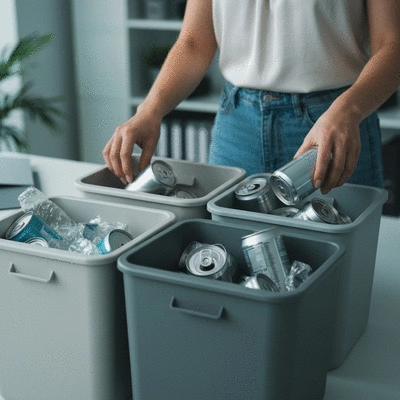
- Preparing: Properly packaging your scrap can save time during the sale process.
Incorporating these steps into your routine can boost both your financial return and the effectiveness of recycling programs. Every bit you do matters! For additional safety information on handling scrap metal, you can refer to resources from CCOHS on scrap metal recycling safety.
Final Considerations for Choosing a Recycling Partner
Choosing the right recycling partner is crucial for success. At EcoScrap UAE, we always recommend evaluating a few key aspects before making your decision.
- Reputation: Look for a recycling company with positive reviews and a strong community presence.
- Services Offered: Ensure they offer the specific recycling services that meet your needs, whether it’s for metals, plastics, or electronics.
- Environmental Commitment: Opt for a partner that prioritizes sustainable practices and environmental protection.
Taking the time to choose a reliable recycling partner can enhance your overall experience and amplify your impact on the environment. Remember, we're all in this together!
Next Steps: Your Guide to Getting Started
Now that you’re equipped with the knowledge of recycling, it’s time to take action! Let's explore some next steps to help you get started on your recycling journey.
Resources for Further Learning and Preparation
There are fantastic resources available to deepen your understanding of recycling. I encourage you to explore local workshops or online courses that focus on waste management and recycling best practices. At EcoScrap UAE, we often share informative articles and guides on our website to help you on your journey!
Exploring Local Recycling Programs and Community Initiatives
Get involved in your community by discovering local recycling programs and initiatives! Many neighborhoods offer special collection events or educational sessions aimed at promoting recycling. Participating not only helps the environment but also connects you with fellow advocates of sustainability.
Encouragement to Take Action: Preparing Your Scrap for Sale
So, what are you waiting for? It's time to prepare your scrap for sale! Gather your metals and plastics, sort them according to the guidelines we've discussed, and get ready to engage with a recycling partner that aligns with your values. Remember, each step you take contributes to a cleaner, greener planet!
Recap of Key Points
Here is a quick recap of the important points discussed in the article:
- Recycling scrap metal conserves natural resources, reduces energy consumption, and lowers greenhouse gas emissions.
- Understanding the difference between ferrous and non-ferrous metals can lead to better recycling payouts.
- Market prices for scrap metals fluctuate based on global supply and demand, so staying informed can maximize your returns.
- Commonly accepted plastics include PET, HDPE, and PVC; check local guidelines before recycling.
- Every effort to recycle plastics helps reduce landfill waste and minimize environmental impact.
- Properly sorting, cleaning, and preparing your recyclables can significantly increase your financial returns.
- Choose a reputable recycling partner that emphasizes environmental commitment and offers the services you need.