What if the future of our environment depended on our daily choices? In the UAE, ambitious recycling goals are reshaping how we think about waste and sustainability. Recognizing our role in this transformation is crucial.
What You Will Learn
- UAE aims for a 75% recycling rate for all waste by 2025 across various sectors.
- Recycling conserves resources and reduces energy consumption compared to new material production.
- The recycling industry can create jobs, enhancing local economic growth.
- Public awareness programs are essential for increasing community participation in recycling efforts.
- Collaboration with the UAE Ministry of Climate Change is crucial for innovative recycling solutions.
- Investment in recycling infrastructure can yield high returns as demand for processed scrap increases.
- Emerging trends include a shift towards a circular economy and growth in e-waste recycling.
UAE's Recycling Goals & Market Impact
The UAE government has set ambitious recycling targets to drive its circular economy. These goals not only promote sustainable waste management but also significantly impact the scrap metal market, fostering growth and innovation.
By 2025: 75% Waste Recycling Rate
Target for all waste, covering residential, commercial, & industrial sectors, driving a sustainable future.
Market Impact: Increased Demand for Recycled Metals
Sustainability priorities in construction & manufacturing are set to surge demand for recycled materials.
Understanding the UAE’s Recycling Goals and Their Significance
As an environmental advocate, I often reflect on the profound impact that recycling has on our community and the planet. In the UAE, the government has set ambitious recycling goals that aim to create a sustainable future and reduce waste. These targets not only promote responsible waste management but also strengthen the local economy by fostering a circular economy. To understand the broader context of these initiatives, it's helpful to review the UAE Policy for Integrated Management of Recyclable Materials. By understanding these goals, we can appreciate the significance of recycling in our daily lives and how we can contribute to this mission.
At EcoScrap UAE, we are dedicated to supporting these initiatives, as we believe that every small effort counts in building a cleaner and greener environment. So, what does the circular economy mean for the UAE? It’s a model where resources are reused, recycled, and repurposed, reducing the need for new materials and minimizing waste. This approach not only benefits the environment but also stimulates local industries and creates job opportunities, as further discussed in analyses of circular economy policies in developing countries.
The Role of Recycling in the UAE's Circular Economy
Recycling plays a vital role in the UAE's transition to a circular economy. By focusing on the responsible disposal and recycling of materials, we can significantly reduce the amount of waste sent to landfills. Here are some key aspects of recycling's role:
- Resource Conservation: Recycling materials like metals and plastics reduces the need for extracting new resources from the earth.
- Energy Efficiency: Producing new products from recycled materials often consumes less energy than using raw materials.
- Job Creation: A thriving recycling industry generates jobs in collection, sorting, and processing, supporting the local economy.
As we embrace these principles at EcoScrap UAE, we strive to engage communities in recycling initiatives, ensuring that everyone understands their role in this sustainable journey. It's heartening to see how individuals, by simply recycling their everyday items, can contribute to this larger vision.
Key Recycling Targets Set by the UAE Government
The UAE government has established several key recycling targets to enhance sustainability efforts. These goals include:
- 75% recycling rate for all waste by 2025, focusing on residential, commercial, and industrial sectors.
- Implementing waste reduction programs to minimize the amount of recyclable materials sent to landfills.
- Increasing public awareness about recycling practices and the importance of waste separation.
These targets reflect a commitment to building a sustainable future. At EcoScrap UAE, we actively work alongside communities and businesses to help them meet these goals by providing reliable recycling services throughout the region. By aligning our mission with the government’s objectives, we can collectively make a significant impact.
Collaborations with the UAE Ministry of Climate Change and Environment
Collaborating with the UAE Ministry of Climate Change and Environment is crucial for achieving recycling goals. These partnerships pave the way for innovative solutions and policies that promote sustainability. Here are some collaboration highlights:
- Joint initiatives and campaigns: We engage in programs that boost public participation in recycling efforts.
- Research and development: Collaborating on projects focused on improving recycling technologies and processes.
- Policy advocacy: Helping shape policies that support sustainable waste management and recycling practices.
Through our work at EcoScrap UAE, we participate in these collaborative efforts, driving forward the vision of a sustainable UAE. I believe that through education and shared responsibility, we can all contribute to a more sustainable future.
Frequently Asked Questions about UAE's Recycling Goals
We Want to Hear From You!
What recycling habits have you adopted in your daily life? Share your thoughts and any tips that have worked for you:
Summarizing the Impact of Recycling Goals on Market Growth
Understanding the impact of recycling goals on market growth is essential as we move towards a more sustainable future. The UAE's commitment to enhancing its recycling initiatives is not just a passing trend; it’s a foundational shift that will shape the scrap metal market for years to come. As an advocate for sustainability through EcoScrap UAE, I have witnessed firsthand how these goals translate into tangible market dynamics.
Let's break down the key takeaways that highlight the future of the UAE scrap metal market. These insights will help businesses and investors navigate this evolving landscape effectively.
Key Takeaways on the Future of the UAE Scrap Metal Market
- Increased Demand for Recycled Metals: With more construction and manufacturing sectors prioritizing sustainability, the demand for recycled metals is expected to surge. This aligns with the UAE's participation in global sustainability efforts, as highlighted by resources such as G20: United Arab Emirates.
- Policy-Driven Growth: The UAE government’s ambitious recycling targets will continue to drive initiatives that support market expansion.
- Technological Innovations: Advancements in recycling technologies will enhance efficiency and lower operational costs, opening new avenues for scrap recovery.
- Collaboration Across Sectors: Partnerships between public and private sectors will be crucial in achieving recycling goals and ensuring a steady supply of scrap materials.
As we can see, these factors are pivotal for shaping the future landscape of the scrap metal market. For companies like EcoScrap UAE, this is an exciting time to be part of the recycling movement, as we work to address both environmental concerns and economic opportunities.
Implications for Businesses and Investors in the Scrap Metal Sector
For businesses and investors looking to capitalize on the growing scrap metal market, understanding the implications of these recycling initiatives is crucial. The interplay between government regulations and market dynamics presents both challenges and opportunities. Here are some vital considerations:
- Investment in Recycling Infrastructure: Businesses that invest in modern recycling facilities are likely to see higher returns as demand for processed scrap increases.
- Alignment with Sustainability Goals: Companies that align their operations with UAE’s recycling targets will not only comply with regulations but also attract eco-conscious consumers.
- Market Research and Adaptation: Staying informed about trends and potential shifts in scrap metal pricing and availability will be key to maintaining a competitive edge.
These implications highlight the importance of proactive strategies in navigating the evolving landscape of the scrap metal sector, ensuring that businesses can thrive while fostering sustainable practices.
Recycling Market Trends and Future Projections
As we look ahead, several recycling market trends are emerging that will significantly influence the scrap metal industry. Observing these trends can help businesses prepare for the future:
- Shift Towards Circular Economy: The UAE’s focus on a circular economy will lead to increased recycling of materials, further integrating sustainability into businesses.
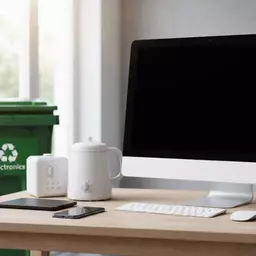
- Growth of E-Waste Recycling: As electronic waste continues to rise, the demand for recycling services related to electronic devices is expected to grow exponentially.
- Enhanced Public Awareness: Public campaigns promoting recycling will likely drive higher participation rates, increasing the volume of scrap materials collected.
By staying ahead of these trends, stakeholders in the scrap metal market can better position themselves for success while contributing to a greener future. It's an exciting time, and I encourage everyone to take part in this impactful journey!
Engaging with the Future: What’s Next for Scrap Metal Recycling in the UAE?
As we move forward, engaging with the future of scrap metal recycling in the UAE requires collaboration and innovation. Stakeholders across various sectors have an opportunity to leverage policy changes for sustainable growth.
How Stakeholders Can Leverage Policy Changes for Growth
Understanding and adapting to new policies can create significant advantages. Here are some ways stakeholders can leverage these changes:
- Participating in Policy Dialogue: Engage with government agencies to advocate for policies that align with industry needs and sustainability objectives.
- Investing in R&D: Allocate resources to research and development in recycling technologies that align with new regulations and enhance operational efficiency.
- Building Partnerships: Collaborate with other businesses and organizations to share best practices and resources for effective recycling initiatives.
By taking proactive steps, stakeholders can thrive in the evolving landscape of scrap metal recycling, aligning their efforts with national sustainability goals.
Encouraging Sustainable Practices: The Road Ahead for Industry Participants
For industry participants, the road ahead is paved with opportunities to embrace sustainability. Encouraging sustainable practices is essential for long-term success. Here are a few strategies to consider:
- Implementing Waste Reduction Programs: Develop programs that minimize waste generation and promote recycling within organizations.
- Training and Education: Educate employees and stakeholders about the importance of recycling and sustainable practices to foster a culture of responsibility.
- Utilizing Eco-Friendly Materials: Opt for materials that are recyclable and encourage clients to do the same, enhancing the overall sustainability of projects.
Embracing these practices will not only enhance industry reputation but also contribute significantly to environmental conservation.
Public Awareness Campaigns to Foster Recycling Practices
The importance of public awareness campaigns cannot be overstated. Effective campaigns can transform individual behaviors and attitudes towards recycling. Here are some key components of successful campaigns:
- Targeted Messaging: Create messages that resonate with specific demographics, highlighting the benefits of recycling to engage communities.
- Incentive Programs: Implement reward programs to encourage recycling participation, making it a fun and rewarding activity for individuals.
- Collaborative Initiatives: Partner with local businesses and schools to amplify outreach and create community-wide engagement in recycling efforts.
Through these campaigns, we can inspire greater participation in recycling, ultimately leading to a cleaner, more sustainable UAE. Let's work together to make a difference!
Recap of Key Points
Here is a quick recap of the important points discussed in the article:
- UAE Recycling Goals: The UAE aims for a 75% recycling rate by 2025, enhancing sustainability across sectors.
- Role of Recycling: Recycling conserves resources, improves energy efficiency, and creates jobs, contributing to a circular economy.
- Public Awareness: Increased public awareness and engagement in recycling practices are vital for achieving sustainability targets.
- Collaboration: Collaborations with government agencies foster innovative recycling solutions and policies.
- Market Trends: Emerging trends include a focus on e-waste recycling and a shift towards a circular economy.
- Investment Opportunities: Businesses should invest in modern recycling infrastructure and align operations with sustainability goals for long-term success.