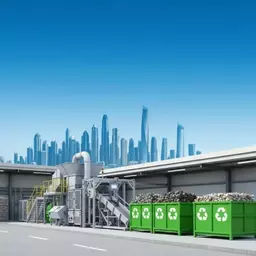

What if the key to a greener future lies in collaboration? In the competitive landscape of the UAE's scrap metal market, the power of partnerships can't be overstated. With a focus on sustainability, strong B2B alliances can transform the industry and your business practices. Let's delve into the essential lessons you can take away from this article.
What You Will Learn
- Collaborative partnerships enable resource sharing, reducing operational costs and enhancing efficiency.
- Access to industry insights and best practices through partnerships improves decision-making and compliance.
- A reliable supply chain ensures consistency in material availability, meeting operational demands effectively.
- Trade agreements can lower tariffs and streamline regulations, opening new markets for scrap metal businesses.
- Diversifying suppliers provides resilience against disruptions, as seen during the COVID-19 pandemic.
- Analyzing successful and failed partnerships offers valuable lessons for future collaborations in the scrap metal sector.
- Staying informed on market trends can enhance your competitive edge and strategic partnerships.
B2B Partnership Benefits in Scrap Metal Market
This visual highlights the key benefits of building strong B2B partnerships and reliable supply chains in the UAE scrap metal sector.
Why Partnerships Are Crucial
- Resource Sharing: Lower operational costs.
- Access to Knowledge: Improved decision-making.
- Enhanced Reputation: Commitment to sustainable practices.
Benefits of Reliable Supply Chains
- Consistency: Meet operational demands.
- Cost Savings: Better pricing negotiations.
- Sustainability Practices: Enhances environmental impact.
Role of Trade Agreements
- Reduced Tariffs: Cost-effective sourcing.
- Streamlined Regulations: Fewer bureaucratic hurdles.
- Increased Market Access: New opportunities.
Lessons from Supply Chain Disruptions
- Diversification of Suppliers: Reduces risk.
- Communication is Key: Prevents misunderstandings.
- Emphasizing Sustainability: Stands out in the long run.
Key Market Trends in Scrap Metal
- Increased Demand for Recycled Materials: Businesses seek more recycled materials.
- Technological Advancements: Automation and digitalization enhance efficiency.
- Regulatory Changes: Staying informed mitigates risks.
Understanding the Landscape of B2B Partnerships for Scrap Metal Supply in the UAE
In the dynamic environment of the UAE's scrap metal market, building strong B2B partnerships has become more crucial than ever. As an advocate for sustainability at EcoScrap UAE, I understand firsthand that forming alliances with reliable suppliers is vital for ensuring a smooth supply chain. The landscape is competitive, and having the right partners not only enhances operational efficiency but also fosters sustainable practices throughout the industry.
Many business owners might wonder, "Why should I invest in partnerships?" The answer lies in the collective strengths that come from collaboration. By working together, businesses can share resources, insights, and access to larger networks, ultimately contributing to a more sustainable approach to scrap metal recycling.
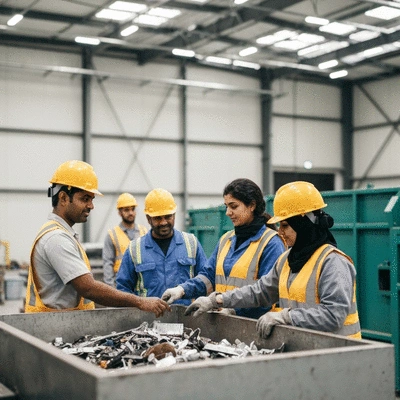
Why Building Partnerships is Crucial in the UAE Scrap Metal Market
Partnerships can bring numerous benefits to businesses in the scrap metal industry. Here are some reasons why they are essential:
- Resource Sharing: Collaborating with other businesses allows for sharing of equipment and transportation, lowering operational costs.
- Access to Knowledge: Partners can provide insights into best practices, compliance issues, and market trends, improving decision-making. According to the Institute of Scrap Recycling Industries (ISRI), staying informed on industry standards is crucial for success.
- Enhanced Reputation: Partnering with credible suppliers can enhance your business's reputation, showcasing your commitment to sustainable practices.
Establishing these connections often leads to enhanced trust among partners, which is invaluable in navigating the complexities of the scrap metal supply chain. Trust is a key ingredient that solidifies successful relationships in the long run.
Key Benefits of Reliable Scrap Metal Supply Chains
Having a robust and reliable supply chain is the backbone of any successful business in the scrap metal sector. Here are some key benefits:
- Consistency: Reliable supply chains ensure that you receive materials consistently, helping you meet your operational demands.
- Cost Savings: Strong partnerships can lead to better pricing negotiations, ultimately reducing costs.
- Sustainability Practices: Working with partners who prioritize eco-friendly methods enhances your environmental impact and aligns with your values at EcoScrap UAE. The U.S. Environmental Protection Agency (EPA) emphasizes the environmental benefits of recycling scrap metal.
As an environmental advocate, I often emphasize that these benefits are not just about profit margins—they also contribute to a cleaner planet. By choosing partners who share your commitment to sustainability, you help create a ripple effect in responsible waste management.
The Role of Trade Agreements in Enhancing B2B Partnerships
Trade agreements play a crucial role in shaping B2B partnerships within the UAE's scrap metal market. These agreements can simplify processes and create opportunities for cross-border collaboration.
- Reduced Tariffs: Trade agreements often lower tariffs on imported scrap materials, making it more cost-effective to source goods from international partners. Organizations like the Aluminum Association advocate for policies that support a competitive domestic scrap market.
- Streamlined Regulations: They can also lead to harmonization of regulations, reducing the bureaucratic hurdles involved in cross-border transactions.
- Increased Market Access: Effective agreements open up new markets and opportunities for partnerships, enhancing supply chain resilience and flexibility.
From my experience at EcoScrap UAE, understanding these agreements can significantly influence your business strategy. By leveraging them, you can navigate the complexities of international trade and enhance your partnerships in the scrap metal supply chain.
Pro Tip
When establishing B2B partnerships in the scrap metal sector, always prioritize long-term relationships over short-term gains. Focus on building trust and understanding with your partners, as this will lead to more sustainable and fruitful collaborations in the future. Remember, a reliable partner can significantly enhance your operational efficiency and reputation in the market.
Frequently Asked Questions about B2B Partnerships in the UAE Scrap Metal Market
Here are some common questions regarding B2B partnerships and supply chains in the UAE scrap metal industry:
- Why are B2B partnerships important in the UAE scrap metal market?
B2B partnerships are crucial for resource sharing, reducing operational costs, gaining access to industry knowledge, and enhancing a business's reputation through sustainable practices. - What are the key benefits of a reliable scrap metal supply chain?
A reliable supply chain ensures consistency in material availability, leads to cost savings through better pricing negotiations, and supports sustainable practices, contributing to a cleaner environment. - How do trade agreements impact B2B partnerships in the scrap metal sector?
Trade agreements can significantly reduce tariffs on imported scrap materials, streamline regulations for cross-border transactions, and increase market access, thereby facilitating more opportunities for partnerships and enhancing supply chain resilience. - What lessons can be learned from supply chain disruptions, such as the COVID-19 pandemic?
Key lessons include the importance of diversifying suppliers to mitigate risk, maintaining clear and regular communication with partners, and emphasizing sustainability to ensure long-term resilience and stand out in the market. - What are the current market trends shaping the scrap metal industry?
Current trends include increased demand for recycled materials due to global sustainability efforts, the adoption of technological advancements like automation and digitalization to improve efficiency, and the need to stay informed about regulatory changes to mitigate risks.
Evaluating the Long-Term Value of B2B Partnerships in the UAE Scrap Metal Sector
In my experience with EcoScrap UAE, I’ve seen firsthand how crucial it is to evaluate the long-term value of B2B partnerships, especially in the scrap metal sector. Establishing a solid relationship with partners can lead to mutually beneficial outcomes, but it also requires careful analysis and ongoing assessment. Understanding the successes and challenges of different partnerships can guide your decisions going forward.
Let’s take a look at some real-world examples of partnerships in the scrap metal industry. By analyzing what works and what doesn’t, we can uncover valuable lessons that will prepare us for future collaborations.

Case Studies: Successful and Failed Partnerships
When evaluating B2B partnerships, case studies can serve as an educational tool. Here are a few examples of successful and failed partnerships in the UAE scrap metal industry:
- Successful Partnership: A local demolition firm teamed up with a recycling company to ensure that all scrap metals from construction sites were processed sustainably. This partnership led to reduced waste and increased profitability for both parties.
- Failed Partnership: A supplier attempted to cut costs by selecting a partner based solely on price. This decision resulted in inconsistent quality and delivery issues, ultimately damaging their reputation in the market.
These case studies remind us that choosing partners wisely and focusing on quality and reliability is essential. The right partnership can not only enhance your supply chain but also enhance your company’s reputation within the industry.
Learning from Post-COVID Supply Chain Disruptions
The COVID-19 pandemic has taught us many lessons about resilience in supply chains. Businesses that had strong, transparent relationships with their partners fared better during disruptions. Here are some key lessons learned:
- Diversification of Suppliers: Relying on a single supplier can be risky. Building a network of reliable partners creates greater flexibility and adaptability.
- Communication is Key: Regular check-ins with partners can prevent misunderstandings and keep everyone aligned on expectations.
- Emphasizing Sustainability: The pandemic highlighted the importance of sustainability. Partners who prioritize eco-friendly practices will stand out in the long run.
Implementing these strategies can fortify your B2B partnerships, ensuring that you’re better equipped to handle future challenges in the scrap metal market.
Competitive Analysis: Understanding Market Trends in Scrap Metal
To stay ahead in the scrap metal sector, it’s important to understand current market trends. Here are some trends shaping the landscape:
- Increased Demand for Recycled Materials: With global emphasis on sustainability, businesses are seeking more recycled materials. B2B partnerships can help meet this demand.
- Technological Advancements: Automation and digitalization are changing how scrap metal is processed and managed. Partnering with technologically advanced firms can enhance your operational efficiency.
- Regulatory Changes: Staying informed about new regulations is essential. Collaborating with partners who have strong compliance practices can mitigate risks.
By keeping an eye on these trends, you can make more informed decisions when forming or maintaining B2B partnerships. Remember, the scrap metal industry is ever-evolving, and being proactive can set you apart from your competitors.
Recap of Key Points
Here is a quick recap of the important points discussed in the article:
- Strong B2B Partnerships: Essential for operational efficiency and sustainability in the UAE's scrap metal market.
- Resource Sharing: Collaborating reduces costs and provides access to valuable insights and best practices.
- Reliability in Supply Chains: A robust supply chain ensures consistency and cost savings, contributing to sustainable practices.
- Importance of Trade Agreements: They lower tariffs, streamline regulations, and open new markets for partnerships.
- Learning from Case Studies: Analyze successful and failed partnerships to make informed decisions.
- Post-COVID Resilience: Diversifying suppliers and maintaining clear communication are vital for future stability.
- Market Trends Awareness: Staying informed on recycling demands and technological advancements can provide a competitive edge.