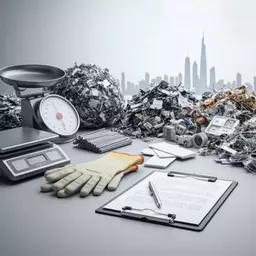
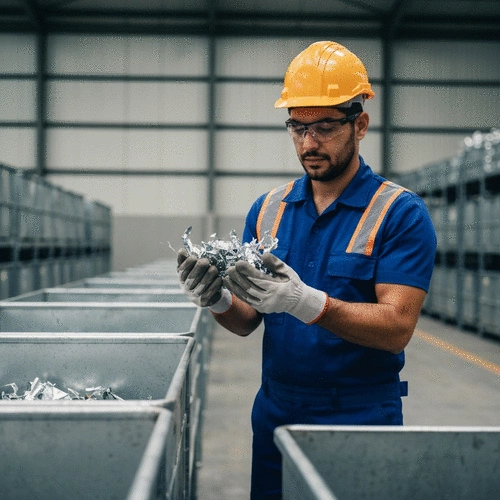
What will it take to secure a sustainable future for our communities and environment? The answer lies in our commitment to safe scrap metal handling and recycling practices. As the UAE continues to grow, understanding these responsibilities not only preserves our planet but also nurtures trust within our society.
What You Will Learn
- The significance of safe scrap metal handling for environmental protection and community safety.
- How compliance with UAE regulations helps businesses avoid legal penalties and enhance public trust.
- Common risks and safety concerns associated with scrap metal handling, including physical injuries and exposure to hazardous materials.
- Key regulatory bodies in the UAE that oversee safe scrap metal practices, ensuring sustainability and compliance.
- Best practices for effective scrap metal management, focusing on safety training, proper sorting, and community engagement.
- Ways to stay informed about local regulations and participate in community recycling initiatives.
Key Strategies for Safe Scrap Metal Handling & Compliance
Implementing best practices in scrap metal management ensures environmental protection, public safety, and regulatory compliance. The visual below highlights essential strategies for sustainable operations and community engagement.
Strategy 1: Stay Informed on Regulations
Keep up with local guidelines from UAE Ministry of Climate Change and Environment.
Strategy 2: Implement Effective Sorting
Segregate metal by type and condition for better recycling outcomes.
Strategy 3: Utilize Appropriate Storage
Use proper containers and protect scrap from environmental factors.
Strategy 4: Emphasize Safety Training
Train workers on equipment use and personal protective equipment (PPE) requirements.
Strategy 5: Engage with the Community
Participate in local recycling initiatives to broaden impact.
Understanding the Importance of Safe Scrap Metal Handling in the UAE
At EcoScrap UAE, we know that safe scrap metal handling is essential for protecting both the environment and the community. With the UAE's rapid development and increasing industrial activities, the need for effective recycling practices has never been more critical. Understanding the importance of these practices not only helps us contribute to a cleaner planet but also ensures compliance with local regulations.
When we talk about recycling scrap metal, we must consider how improper handling can lead to environmental hazards and safety risks. Proper training and adherence to regulations play a vital role in mitigating these issues. As a passionate advocate for sustainability, I believe that every step we take toward responsible disposal and recycling makes a difference.
Why Compliance with UAE Regulations is Crucial for Scrap Metal Businesses
Compliance with the regulations set forth for scrap metal businesses is not just a legal necessity; it is a cornerstone of our commitment to sustainability. Failure to comply can result in severe penalties, including fines and the suspension of operations. More importantly, abiding by these regulations helps foster trust within the community and demonstrates our dedication to responsible practices.
- Ensures environmental protection and public safety.
- Helps maintain a positive reputation in the community.
- Reduces the risk of legal issues and operational delays.
By understanding and adhering to these regulations, we not only protect our business but also contribute positively to the environment. This is a win-win situation for all stakeholders involved!
Overview of Scrap Metal Handling Risks and Safety Concerns
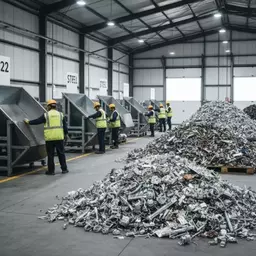
Handling scrap metal poses unique risks and safety concerns that cannot be overlooked. These risks range from physical injuries to environmental hazards. For instance, sharp edges or heavy materials can cause injuries if proper precautions are not taken. Moreover, if hazardous materials are present, they can lead to severe environmental issues if not handled appropriately. The Occupational Safety and Health Administration (OSHA) provides comprehensive guidelines on safe scrap metal recycling practices, emphasizing the importance of worker protection. Additionally, the National Institute for Occupational Safety and Health (NIOSH) offers valuable insights into reducing potential hazards in the recycling industry.
- Physical injuries from sharp or heavy materials.
- Exposure to hazardous substances like lead or mercury.
- Environmental pollution from improper disposal.
As someone deeply invested in recycling, I always emphasize the importance of safety training for workers. This training ensures that everyone knows how to handle materials safely and effectively, significantly reducing the risk of accidents. For further information on safety protocols, refer to OSHA's detailed guide on metal scrap recycling.
Key Regulatory Bodies Impacting Scrap Metal Handling in the UAE
In the UAE, several regulatory bodies govern scrap metal handling to ensure safety and compliance. Understanding their roles is crucial for any business operating in this sector. These organizations set the standards and guidelines that must be followed, making it essential for us to stay informed.
- The UAE Ministry of Climate Change and Environment
- Dubai Municipality
- Local environmental monitoring agencies
By engaging with these regulatory bodies, we can stay ahead of the curve and ensure that EcoScrap UAE not only meets but exceeds these expectations.
The Role of the UAE Ministry of Climate Change and Environment
The UAE Ministry of Climate Change and Environment plays a vital role in overseeing environmental safety and sustainability initiatives. They set regulations that govern waste management and recycle practices, ensuring that all operations align with national sustainability goals. This body supports initiatives that promote responsible recycling and the safe disposal of hazardous materials.
How Dubai Municipality Ensures Safe Scrap Metal Practices
Dubai Municipality is another key player in ensuring safe scrap metal handling practices. They conduct regular inspections and provide permits for scrap metal businesses. This oversight helps maintain high safety standards and encourages compliance with local regulations. By collaborating with Dubai Municipality, we at EcoScrap UAE can contribute to a safer and more sustainable environment for all.
Pro Tip
Did you know? Regularly engaging your employees in safety training not only minimizes risk but also cultivates a culture of safety within your organization. Consider monthly workshops to reinforce safety protocols and keep everyone updated on best practices for scrap metal handling!
Conclusion: Best Practices for Sustainable Scrap Metal Management in the UAE
As we wrap up our discussion on sustainable scrap metal management in the UAE, it's crucial to highlight the best practices that can lead to effective recycling and compliance with local regulations. By focusing on safety, proper handling, and community engagement, we can ensure that our efforts contribute positively to the environment and society.
At EcoScrap UAE, we believe that everyone can make a difference! Whether you're a small business owner or an individual looking to recycle responsibly, following these key strategies will help you navigate the complexities of scrap metal management.
Recap of Key Strategies for Safe Handling and Compliance
- Stay informed: Keep up with local regulations and guidelines provided by authorities like the UAE Ministry of Climate Change and Environment.
- Implement effective sorting: Ensure scrap metal is segregated by type and condition for better recycling outcomes.
- Utilize appropriate storage: Choose the right containers and protect your scrap from environmental factors to prevent contamination.
- Emphasize safety: Train workers on proper equipment use and personal protective equipment (PPE) requirements.
- Engage with the community: Participate in local recycling initiatives to broaden the impact of your efforts.
By following these strategies, you not only comply with regulations but also play a vital role in promoting sustainability across the UAE. Remember, responsible scrap metal management is a commitment we all share!
Engaging with the Community: Your Next Steps
Now that we've covered the fundamentals of scrap metal management, it's time to take action! Engaging with your community can amplify your efforts and spread awareness about the importance of recycling.
Here’s how you can stay connected and informed:
How to Stay Updated on UAE Scrap Metal Regulations
- Subscribe to newsletters from the UAE Ministry of Climate Change and Environment.
- Follow local recycling organizations on social media for the latest updates and tips.
- Attend workshops and seminars focused on recycling and environmental compliance.
By staying informed, you can proactively adapt to changes in regulations and enhance your recycling practices!
FAQs: Addressing Common Concerns About Scrap Metal Handling
We often get questions about scrap metal handling, and it's essential to address these to alleviate any concerns:
- What types of metals can be recycled?
Most common metals, including ferrous (iron, steel) and non-ferrous (aluminum, copper, brass, stainless steel), can be recycled. Proper sorting is crucial for efficient recycling.
- How do I ensure my scrap metal is free of contaminants?
To ensure metal is free of contaminants, it's important to clean it thoroughly and separate it from non-metal components like plastic, rubber, or hazardous residues. Following proper sorting guidelines helps maintain the purity of recycled materials.
- What are the penalties for non-compliance with recycling regulations?
Penalties for non-compliance can vary depending on the specific violation and local regulations, but they often include significant fines, operational suspensions, and potential legal action. Adhering to regulations is vital for both environmental protection and business continuity.
- Why is safety training important for scrap metal handling?
Safety training is crucial to prevent physical injuries from sharp objects or heavy materials, and to protect workers from exposure to hazardous substances. It ensures that personnel are knowledgeable about proper equipment use and personal protective equipment (PPE).
- Which regulatory bodies oversee scrap metal handling in the UAE?
The primary regulatory bodies include the UAE Ministry of Climate Change and Environment and Dubai Municipality, along with local environmental monitoring agencies. These bodies set guidelines and conduct inspections to ensure compliance and safety.
If you have more questions, feel free to reach out to EcoScrap UAE! I'm always here to help guide you through the recycling process.
Local Recycling Initiatives and Community Awareness Programs
Finally, consider participating in local recycling initiatives that focus on raising awareness and promoting sustainable practices. Here are a few ways you can get involved:
- Join community clean-up days to help collect scrap metal and other recyclables.
- Organize educational workshops in your neighborhood to teach others about the benefits of recycling.
- Collaborate with EcoScrap UAE for special events aimed at increasing recycling rates in your area!
Engaging with your community not only strengthens your recycling efforts but also fosters a collaborative spirit towards a greener future. Together, let’s make sustainable scrap metal management a priority in the UAE!
Recap of Key Points
Here is a quick recap of the important points discussed in the article:
- Stay informed: Keep up with local regulations and guidelines provided by authorities like the UAE Ministry of Climate Change and Environment.
- Implement effective sorting: Ensure scrap metal is segregated by type and condition for better recycling outcomes.
- Utilize appropriate storage: Choose the right containers and protect your scrap from environmental factors to prevent contamination.
- Emphasize safety: Train workers on proper equipment use and personal protective equipment (PPE) requirements.
- Engage with the community: Participate in local recycling initiatives to broaden the impact of your efforts.