Did you know that the scrap metal sector contributes significantly to the UAE's economy and environmental sustainability? This article delves into the recent Cabinet Decision No. 153 of 2025 and its implications for recycling practices in the region.
What You Will Learn
- Cabinet Decision No. 153 of 2025 introduces stricter guidelines for scrap metal recycling, aiming to enhance sustainability.
- The scrap metal sector supplies 40% of raw materials for the construction industry, showcasing its economic importance.
- The UAE government is investing in recycling innovation and public awareness to promote sustainable practices.
- Key milestones such as the VAT reverse charge mechanism will come into effect starting January 14, 2026, requiring businesses to adapt accordingly.
- The Dubai Clean Energy Strategy 2050 aims to incentivize cleaner technologies in the recycling sector, enhancing public participation and regulatory compliance.
Key Milestones for UAE Scrap Metal Recycling Sector
This timeline highlights critical dates for businesses to adapt to new regulations and contribute to a sustainable future.
January 14, 2026
VAT reverse charge mechanism comes into effect.
March 2026
Initial compliance evaluations for new VAT regulations.
June 2026
Expected updates on compliance guidelines from the UAE government.
December 2026
Deadline for submitting the first annual VAT report under the new system.
Understanding the Impact of UAE Government Policies on Scrap Metal Recycling
As an environmental advocate, I often reflect on how government policies shape our recycling landscape here in the UAE. One critical regulation is the Cabinet Decision No. 153 of 2025, which aims to enhance the sustainability of scrap metal recycling in the region. This decision signifies a major shift in how we handle scrap metal, impacting both businesses and the environment.

By focusing on responsible recycling practices, we can ensure that valuable materials are reused effectively, reducing waste and promoting a cleaner planet. In this section, I'll unpack some key aspects of this decision and its overall significance.
Introduction to Cabinet Decision No. 153 of 2025
Cabinet Decision No. 153 of 2025 introduces new regulations designed to streamline and enhance scrap metal recycling efforts in the UAE. One significant change is the implementation of stricter guidelines for sorting and processing scrap materials, making it easier for businesses to adhere to recycling best practices.
- Enhanced tracking systems for scrap metal transactions
- Mandatory recycling targets for businesses in the sector
- Increased penalties for non-compliance, promoting accountability
These measures not only promote environmental stewardship but also create a more transparent and efficient recycling market, which is vital for the success of companies like EcoScrap UAE. Further information on these regulations can be found in the UAE's policy for integrated management of recyclable materials.
Why the Scrap Metal Sector Matters for the UAE Economy
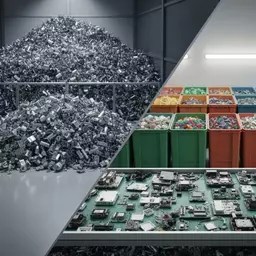
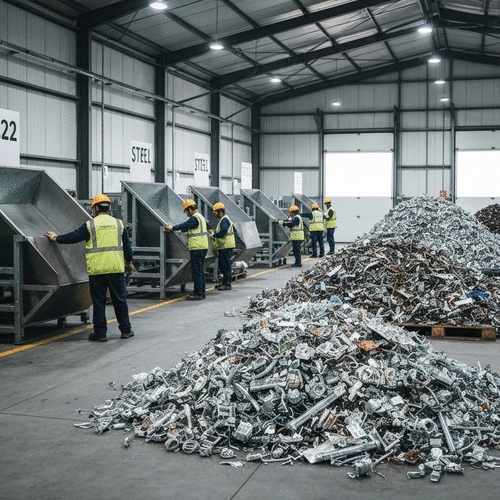
The scrap metal sector plays a crucial role in the UAE's economy. It provides essential materials for various industries, including construction and manufacturing, contributing to our nation's growth and development. Through effective recycling, we can reclaim valuable resources, reducing our reliance on imported materials.
- 40% of raw materials in construction come from recycled scrap metal
- The sector creates thousands of jobs in waste management and processing
- Recycling reduces landfill use, preserving land for future generations
By investing in scrap metal recycling, we not only support economic growth but also ensure a sustainable future for our communities.
The Role of the UAE Government in Promoting Sustainable Scrap Metal Practices
The UAE government has been proactive in promoting sustainable practices within the scrap metal industry. Through initiatives that encourage recycling, the government is setting a strong example for businesses to follow. As an advocate for responsible waste management, I appreciate the government's commitment to sustainability. The UAE government's stance on this is further detailed in its environmental and energy policies, which emphasize the importance of integrated management of recyclable materials.
- Funding for recycling innovation projects
- Educational campaigns to raise public awareness
- Partnerships with private companies to enhance recycling infrastructure
These efforts are paving the way for a cleaner, more sustainable environment in the UAE. They demonstrate a collective commitment to fostering a circular economy, where materials are reused and recycled rather than disposed of.
Pro Tip
Did you know? Engaging employees in recycling initiatives can significantly boost compliance and enthusiasm for sustainability practices within your organization. Consider hosting regular training sessions or workshops to educate your team about the importance of recycling and how they can participate effectively in your company's efforts.
Preparing for the Future: Transition Timeline and Key Milestones
As we look ahead to the evolving landscape of scrap metal recycling in the UAE, it's essential for businesses to stay informed about the upcoming changes. The implementation of the VAT reverse charge mechanism set for January 14, 2026, is just one key milestone that will shape our industry. I encourage businesses to proactively prepare for these changes to ensure a smooth transition and continue contributing to a sustainable future.
To help you get started, I've compiled a list of major dates that every stakeholder in the scrap metal sector should mark on their calendars:
- January 14, 2026: The VAT reverse charge mechanism comes into effect.
- March 2026: Initial compliance evaluations to assess adherence to new VAT regulations.
- June 2026: Expected updates on compliance guidelines from the UAE government.
- December 2026: Deadline for submitting the first annual VAT report under the new system.
These dates will serve as critical checkpoints as we navigate through the changes. It's vital to keep communication open and to stay updated on any potential adjustments to the timeline.
What to Expect Post-January 2026 for Scrap Metal Stakeholders
After the implementation of the VAT reverse charge mechanism, stakeholders can anticipate a significant shift in how scrap metal transactions are handled. This change will require both buyers and sellers to adapt their processes, ensuring all transactions are compliant with the new regulations. For instance, businesses will need to enhance their invoicing systems to reflect the VAT adjustments properly. The Ministry of Finance has announced details regarding this Cabinet Resolution on implementing the reverse charge mechanism for VAT on scrap metal trading.
Moreover, here are a few key expectations that stakeholders should prepare for:
- Increased scrutiny on transactions as the government enhances monitoring efforts.
- Need for more robust record-keeping to ensure compliance.
- Greater emphasis on training staff to understand the new VAT obligations.
By planning ahead and understanding these shifts, we can mitigate potential disruptions and continue our commitment to sustainability.
Impact of the Dubai Clean Energy Strategy 2050 on Scrap Metal Recycling
The Dubai Clean Energy Strategy 2050 aims to transform the city's energy landscape, setting ambitious goals for sustainability and reducing carbon emissions. As part of this initiative, the scrap metal recycling sector will play a crucial role in achieving these environmental targets. Businesses like EcoScrap UAE are actively engaged in supporting these goals by promoting responsible recycling practices and reducing waste.
Some of the expected impacts of this strategy on our industry include:
- Incentives for recycling and waste management companies to adopt cleaner technologies.
- Increased public awareness and participation in recycling initiatives.
- Stronger regulations encouraging the use of recycled metals in manufacturing processes.
By aligning our operations with the Dubai Clean Energy Strategy, we can significantly contribute to creating a greener, more sustainable environment for future generations.
Frequently Asked Questions (FAQs)
Q1: What is Cabinet Decision No. 153 of 2025?
A1: Cabinet Decision No. 153 of 2025 introduces stricter guidelines and new regulations for the scrap metal recycling sector in the UAE, aiming to enhance sustainability, streamline processes, and promote responsible recycling practices.
Q2: How important is the scrap metal sector to the UAE's economy?
A2: The scrap metal sector is highly important to the UAE's economy, providing 40% of the raw materials for the construction industry, creating thousands of jobs in waste management, and reducing reliance on imported materials.
Q3: What role does the UAE government play in promoting sustainable scrap metal practices?
A3: The UAE government actively promotes sustainable practices through funding for recycling innovation, educational campaigns to raise public awareness, and partnerships with private companies to enhance recycling infrastructure.
Q4: When does the VAT reverse charge mechanism come into effect for scrap metal trading?
A4: The VAT reverse charge mechanism for scrap metal trading comes into effect on January 14, 2026.
Q5: How will the Dubai Clean Energy Strategy 2050 impact the scrap metal recycling sector?
A5: The Dubai Clean Energy Strategy 2050 will impact the sector by providing incentives for adopting cleaner technologies, increasing public participation in recycling, and introducing stronger regulations to encourage the use of recycled metals in manufacturing.
Recap of Key Points
Here is a quick recap of the important points discussed in the article:
- Cabinet Decision No. 153 of 2025 introduces stricter guidelines for sorting and processing scrap materials, enhancing recycling practices.
- The scrap metal sector contributes significantly to the UAE economy, with 40% of raw materials in construction sourced from recycled metal.
- The UAE government promotes sustainable practices through funding, educational campaigns, and partnerships to improve recycling infrastructure.
- Key milestones for stakeholders include the VAT reverse charge mechanism implementation on January 14, 2026, and compliance evaluations in March 2026.
- Post-January 2026, expect increased scrutiny and a need for robust record-keeping to ensure compliance with new regulations.