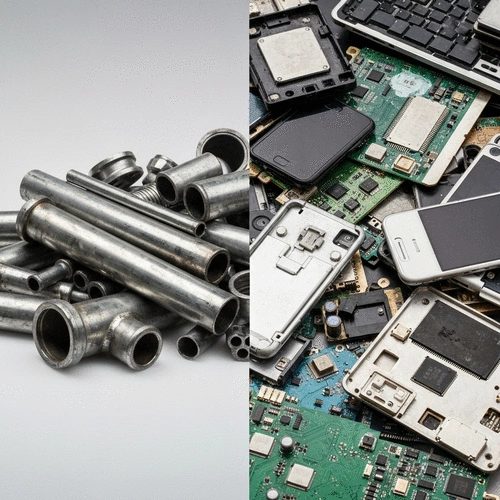
What if your old electronics could become the building blocks of new innovations? The truth is, understanding the value and proper disposal of materials can transform waste into valuable resources. Let's explore the key differences between scrap metal and e-waste, pivotal in our recycling journey!
What You Will Learn
- Scrap metal can be classified into ferrous and non-ferrous types, each with distinct sources and values.
- E-waste includes discarded electronics that may contain hazardous materials, necessitating careful recycling.
- The recycling processes for scrap metal and e-waste differ significantly, with e-waste requiring specialized handling due to its complexity.
- Understanding hazardous components in e-waste, such as lead and mercury, is crucial for environmental protection.
Scrap Metal vs. E-Waste: Key Differences and Recycling Insights
Understanding the fundamental distinctions between scrap metal and e-waste is crucial for effective recycling and environmental protection. This comparison highlights their unique characteristics and handling requirements.
Material Composition Overview
Scrap Metal: Mainly Pure Metals
- Ferrous: Iron, Steel
- Non-Ferrous: Aluminum, Copper, Brass
- Recyclability: High, easily melted & reused
E-Waste: Complex Mix
- Metals: Copper, Gold, Silver, Aluminum
- Non-Metals: Plastics, Glass, Circuit Boards
- Hazards: Lead, Mercury, Cadmium
Typical Sources
- Scrap Metal: Old cars, construction debris, industrial waste, household appliances.
- E-Waste: Smartphones, computers, TVs, tablets, washing machines, microwaves.
Recycling Complexity & Value
- Scrap Metal: Straightforward processing, generally higher market value (especially non-ferrous).
- E-Waste: Intricate dismantling, specialized equipment needed, lower overall value due to mixed materials & hazards.
Environmental Impact & Handling
Scrap Metal
Reduces waste, conserves natural resources, lower environmental footprint. Simple collection, sorting, and melting process.
E-Waste
Improper disposal causes soil/water contamination from hazardous materials. Requires specialized facilities for safe dismantling and material recovery.
Understanding the Key Differences Between Scrap Metal and E-Waste in the UAE
As we dive deeper into the world of recycling, it's crucial to understand the fundamental differences between scrap metal and e-waste. Both categories play significant roles in our recycling efforts, but they have unique characteristics and requirements. At EcoScrap UAE, we believe that knowledge is power, and being informed about these differences can help you make better recycling choices!
Defining Scrap Metal and E-Waste: What You Need to Know
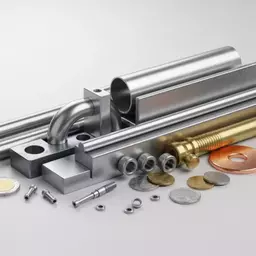
First, let’s take a look at what scrap metal entails. Scrap metal refers to any metal that is no longer in use and can be recycled, usually sourced from industrial processes or discarded items. It includes metals like aluminum, copper, brass, and steel, which can be melted down and reused to create new products.
- Types of Scrap Metal: Ferrous (iron and steel) and non-ferrous (aluminum, copper, etc.)
- Common Sources: Old cars, construction materials, and household appliances
- Value: Usually has a higher market value, especially non-ferrous metals
On the other hand, e-waste encompasses discarded electronic devices that contain hazardous materials. Examples include old computers, smartphones, televisions, and other electronic gadgets. It's essential to recycle e-waste properly to prevent harmful chemicals from contaminating our environment.
Characteristics of Scrap Metal
Scrap metal is often recognizable by its physical properties. It can be either ferrous, containing iron, or non-ferrous, which is lighter and doesn’t rust. Typically, scrap metal is prized for its recyclability, as it can be reprocessed into new metal products.
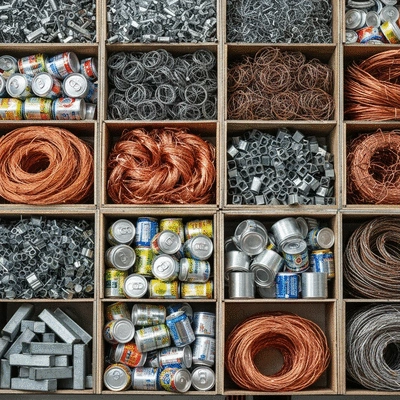
In the UAE, there is a robust market for scrap metal recycling, which not only helps reduce waste but also conserves natural resources. Metals are endlessly recyclable, which means we can significantly decrease our environmental footprint by participating in these recycling efforts.
What Constitutes E-Waste?
E-waste is defined as any electronic device that has reached its end of life. This can include everything from smartphones and tablets to larger items like washing machines or microwaves. What’s crucial to understand is that e-waste often contains hazardous materials such as lead, mercury, and cadmium.
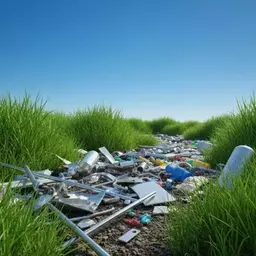
Improper disposal of e-waste can lead to these harmful substances leaching into soil and water, causing serious environmental damage. The World Health Organization (WHO) highlights the significant health risks associated with improper e-waste management, emphasizing the need for safe recycling practices. At EcoScrap UAE, we advocate for responsible e-waste management to safeguard our communities and the environment!
Composition and Handling: Scrap Metal vs. E-Waste
When it comes to recycling, understanding the composition of these materials is essential for proper handling. Scrap metal is largely composed of various types of metals, which can be easily sorted and processed. E-waste, however, is a complex mixture of metals, plastics, and other materials, making its recycling process more intricate.
Material Composition: Metals and Electronics
Scrap metal primarily comprises pure metals, allowing for straightforward recycling processes. In contrast, e-waste can contain a mix of materials, making it necessary for recycling facilities to have specialized equipment for processing. This diversity in composition means that the recycling of e-waste is often more challenging and requires a careful approach.
- Common Metals in E-Waste: Copper, gold, silver, and aluminum
- Other Components: Plastics, glass, and circuit boards
- Recycling Challenges: Requires specialized techniques to recover valuable materials safely
Handling and Recycling Processes for Each
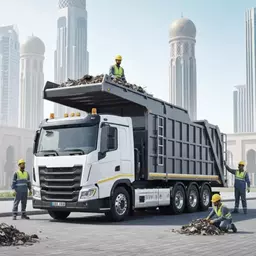
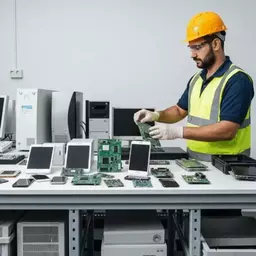
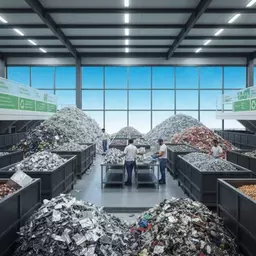
Scrap metal recycling typically involves collecting, sorting, and processing the metal. Facilities will melt down the metals and mold them into new products, which can be a quick turnaround. E-waste recycling, however, includes dismantling devices to separate valuable materials from hazardous components.
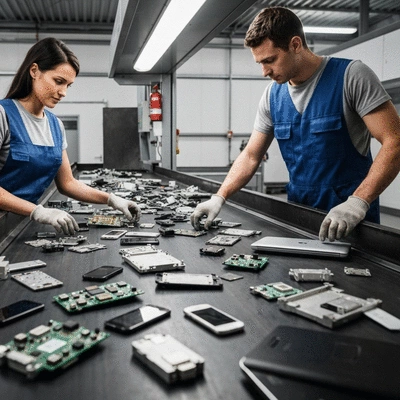
At EcoScrap UAE, we ensure that both scrap metal and e-waste are handled according to the highest standards, promoting a safe and efficient recycling environment for everyone involved.
Understanding Hazardous Materials in E-Waste
One of the most critical aspects of e-waste is the presence of hazardous materials. These can pose serious risks to both human health and the environment if not managed properly. By understanding these risks, we can take steps to mitigate potential harm.
- Lead: Found in circuit boards and older glass tubes
- Mercury: Present in various electronic devices like switches and lamps
- Cadmium: Often found in batteries and can lead to serious health issues
The U.S. Environmental Protection Agency (EPA) provides comprehensive information on hazardous materials in electronics and the importance of proper recycling. Recycling e-waste responsibly means working with certified facilities like EcoScrap UAE, which understand the complexities involved and can navigate these hazardous materials safely.
Pro Tip
Did you know? When recycling e-waste, always ensure that you remove personal data from devices before disposal. For smartphones and computers, perform a factory reset and remove SIM cards. This step not only protects your information but also facilitates the recycling process!
Frequently Asked Questions (FAQs)
Summarizing the Key Differences and Recycling Insights
As we dive deeper into the world of recycling, it’s essential to understand the core differences between scrap metal and e-waste. While both categories involve discarded materials, their compositions, recycling processes, and environmental impacts vary significantly. By grasping these differences, we can make informed decisions that contribute to a more sustainable future.
Scrap metal is generally made up of materials like aluminum, copper, and steel that can easily be repurposed. In contrast, e-waste encompasses a wide range of electronic devices, from smartphones to laptops, which contain not only metals but also plastics and potentially hazardous materials. Understanding these nuances is crucial for effective recycling and minimizing environmental harm.
The Role of Effective Recycling in A Sustainable Future
Effective recycling plays a pivotal role in building a sustainable future. It not only conserves natural resources but also reduces the energy consumption associated with manufacturing new products. Moreover, it helps mitigate the negative impact of waste on our environment. At EcoScrap UAE, we believe that adopting responsible recycling practices is a vital step towards achieving environmental stewardship.
One key concept to explore is the circular economy, which emphasizes keeping resources in use for as long as possible. Instead of the traditional linear model of "take, make, dispose," the circular economy encourages us to recycle materials, thereby minimizing waste and promoting sustainability. Here are some fundamental principles that define the circular economy:
- Designing products for durability and recyclability
- Implementing effective recycling systems to recover materials
- Encouraging businesses and consumers to adopt sustainable practices
- Fostering innovation in recycling technologies
Taking Action: How You Can Contribute to Recycling Efforts
Every individual can make a difference in the recycling movement! By taking action in your community, you help pave the way for a cleaner, greener environment. This involvement not only boosts local recycling rates but also raises awareness about the importance of proper waste management.
Encouraging Community Involvement and Awareness
Have you ever thought about how community engagement can amplify recycling efforts? By bringing people together, we can share knowledge, resources, and innovative recycling methods. This collaboration can lead to impactful initiatives that benefit both our neighborhoods and the environment.
Here are a few ways you can encourage community involvement:
- Organize local clean-up events
- Host informational workshops about recycling practices
- Partner with schools to educate students on sustainability
- Promote neighborhood recycling challenges to motivate participation
Getting Started with Your Own Recycling Journey
Starting your own recycling journey can be as simple as setting up a dedicated space at home for your recyclable materials. But it doesn’t stop there! Engaging with your community can amplify your impact. Consider integrating the following steps into your routine:
Community Programs Supporting Recycling Initiatives
Many organizations are dedicated to promoting recycling initiatives in the UAE. By connecting with these programs, you can contribute to larger efforts that aim to reduce waste. Reach out to local recycling centers and inquire about community programs they may have, such as:
- Recycling workshops and educational sessions
- Collection drives for e-waste and scrap metal
- Incentives for recycling participation, like discounts or rewards
Together, we can foster a culture of sustainability and ensure that we’re all playing our part in protecting the environment. So, are you ready to join the movement? Your efforts can lead to meaningful change!
Recap of Key Points
Here is a quick recap of the important points discussed in the article:
- Scrap Metal: Composed of recyclable metals like aluminum, copper, and steel, which can be easily processed and have a higher market value.
- E-Waste: Includes discarded electronic devices that often contain hazardous materials, requiring careful disposal to mitigate environmental risks.
- Recycling Processes: Scrap metal recycling involves straightforward processes, while e-waste recycling is more complex due to its varied composition and the need for specialized handling.
- Community Engagement: Encouraging community involvement in recycling efforts can lead to greater awareness and improved recycling practices.
- Circular Economy: Emphasizes designing products for durability and recyclability, promoting sustainability through effective recycling systems.