
As the UAE evolves into a technology powerhouse, understanding the importance of electronic waste management becomes essential. How can we navigate the complexities of e-waste regulations to create a sustainable future? Here’s what you need to know.
What You Will Learn
- The UAE's increasing e-waste crisis necessitates effective management practices to protect the environment.
- Compliance with mandatory e-waste recycling policies can position your business as a leader in sustainability.
- The Ministry of Climate Change and Environment (MOCCAE) plays a crucial role in promoting responsible disposal and recycling initiatives.
- Staying informed on evolving regulations is vital for businesses to avoid penalties and adapt swiftly.
- Engaging in sustainable practices fosters corporate social responsibility, enhancing your brand's reputation.
Key Aspects of UAE E-Waste Management Policies
The UAE government has implemented a comprehensive framework to manage electronic waste, focusing on environmental protection, resource recovery, and public health. This visual highlights the key regulations and future developments that businesses and individuals should be aware of.
Importance of E-Waste Management
Environmental Protection
Prevents toxic materials from contaminating soil and water.
Resource Recovery
Reclaims valuable materials like gold, silver, copper.
Public Health
Unsafe disposal methods can lead to health hazards.
Current Regulations & Business Impact
Mandatory Recycling
Companies must use certified recycling programs.
Reporting Requirements
Businesses must document e-waste disposal.
Penalties
Significant fines for non-compliance.
Future E-Waste Developments (Post-2026 Focus)
EPR Program Updates
Extended Producer Responsibility programs.
New Product Bans
Bans on certain electronic products.
Enhanced Penalties
Stricter penalties for non-compliance.
Understanding UAE Government Policies on Electronic Waste Management
As an environmental advocate and founder of EcoScrap UAE, I’m passionate about the critical need for effective electronic waste (e-waste) management in our region. The UAE is rapidly becoming a tech hub, leading to an inevitable increase in e-waste. Understanding the government's role in managing this waste is essential for both businesses and consumers who share the goal of a sustainable future.
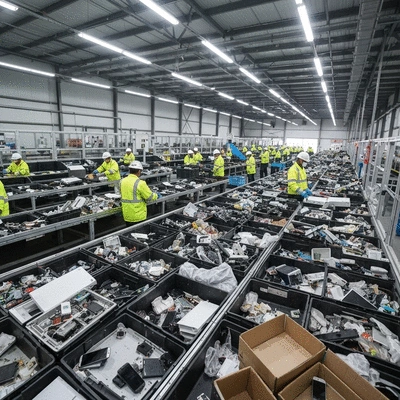
E-waste management is not just about disposing of old electronics; it’s about ensuring that harmful materials are handled responsibly to protect our environment. The UAE government recognizes this urgency and has implemented several policies to address e-waste, which we'll explore in detail.
The Importance of E-Waste Management in the UAE
The significance of e-waste management in the UAE cannot be overstated. With the growing consumption of electronic devices, the volume of electronic waste is expanding at an alarming rate. Here are some key reasons why effective e-waste management is vital:
- Environmental Protection: Proper disposal prevents toxic materials from contaminating our soil and water.
- Resource Recovery: Recycling e-waste can reclaim valuable materials like gold, silver, and copper.
- Public Health: Unsafe disposal methods can lead to health hazards for communities.
By understanding these critical aspects, we can appreciate the collective responsibility we share in managing e-waste effectively. The UAE government's commitment to waste management is further detailed in official resources, including the UAE's official portal for waste management information.
Current Regulations and Their Impact on Businesses
UAE regulations surrounding e-waste are designed to create a framework for responsible disposal and recycling. These regulations not only ensure compliance but also promote a culture of sustainability among businesses. For instance, the Integrated Waste Management Law provides a comprehensive legal basis for waste management practices across the Emirates. Additionally, specific local laws, such as Law No. (18) of 2024 Regulating Waste Management in Dubai, further detail the requirements for businesses within the emirate. Here are a few important regulations affecting businesses:
- Mandatory E-Waste Recycling: Companies must ensure that their e-waste is recycled through certified programs.
- Reporting Requirements: Businesses must document the disposal of e-waste to track compliance.
- Penalties for Non-Compliance: Businesses that fail to adhere to regulations may face significant fines.
Understanding these regulations not only helps avoid penalties but also positions your business as a responsible entity committed to sustainability.
UAE Ministry of Climate Change and Environment's Role in E-Waste Management
The UAE Ministry of Climate Change and Environment (MOCCAE) is at the forefront of e-waste management initiatives in the region. Their efforts focus on creating a circular economy, where waste is minimized, and materials are reused. They implement various programs, including:
- Public Awareness Campaigns: Educating citizens about the importance of responsible e-waste disposal.
- Partnerships with Private Sector: Collaborating with businesses to develop effective recycling programs.
- Regulatory Frameworks: Establishing guidelines to streamline e-waste management practices.
By recognizing the MOCCAE's vital role, businesses can better align their practices with national goals and contribute to a more sustainable future.
We Want to Hear From You!
How does your business approach e-waste management? Share your thoughts or strategies in the comments below:
Frequently Asked Questions about UAE E-Waste Management
- What is e-waste and why is it a concern in the UAE?
- E-waste, or electronic waste, refers to discarded electronic devices. It is a growing concern in the UAE due to the country's rapid technological advancement, leading to an increasing volume of waste that contains toxic materials harmful to the environment and public health if not disposed of properly.
- What are the main goals of UAE e-waste management policies?
- The policies aim to protect the environment by preventing toxic contamination, promote resource recovery by recycling valuable materials, and safeguard public health from hazards associated with unsafe disposal methods.
- What are the key regulations for businesses regarding e-waste in the UAE?
- Businesses are subject to mandatory e-waste recycling through certified programs, must meet reporting requirements to document disposal, and face significant penalties for non-compliance with the regulations.
- What role does the Ministry of Climate Change and Environment (MOCCAE) play in e-waste management?
- MOCCAE leads initiatives to create a circular economy by minimizing waste and reusing materials. They conduct public awareness campaigns, partner with the private sector for recycling programs, and establish regulatory frameworks for e-waste management.
- What future developments are expected in UAE e-waste regulations?
- Future developments are expected to include updates to Extended Producer Responsibility (EPR) programs, new bans on certain electronic products, and enhanced penalties for non-compliance, all aimed at stricter adherence and higher recycling rates.
Key Takeaways from UAE E-Waste Management Policies
As we navigate the evolving landscape of electronic waste management in the UAE, it’s crucial for businesses to stay informed about compliance steps. Understanding these regulations will not only help avoid potential penalties but will also position your business as an environmentally responsible player in the market.
Here’s a quick summary of essential compliance steps for businesses operating in the UAE:
- Familiarize yourself with the Integrated Waste Management Law.
- Implement waste segregation practices to separate e-waste from general waste.
- Maintain accurate documentation of all e-waste disposed of or recycled.
- Engage with certified e-waste collection and recycling services like EcoScrap UAE.
By adhering to these steps, businesses can contribute to a more sustainable future while ensuring they are compliant with UAE regulations.
Future Developments in E-Waste Regulations to Watch
We can expect significant changes in e-waste regulations as the UAE continues to enhance its sustainability goals. Future developments will likely focus on stricter compliance requirements and new initiatives aimed at increasing recycling rates. Keeping an eye on these changes will be essential for all businesses, especially as we approach 2026.

Some key developments to watch for include:
- Updates on the Extended Producer Responsibility (EPR) programs.
- New bans on certain electronic products in alignment with sustainability goals.
- Enhanced penalties for non-compliance with e-waste regulations.
Staying ahead of these changes can help businesses adapt more swiftly and maintain compliance in this dynamic regulatory environment.
Engaging with E-Waste Management in the UAE
How to Stay Updated on Regulatory Changes
With regulations constantly evolving, it’s vital to stay updated on the latest news in e-waste management. Here are some effective ways to keep informed:
- Subscribe to newsletters from the UAE Ministry of Climate Change and Environment.
- Join local industry groups or forums focused on waste management.
- Follow EcoScrap UAE on social media for updates and insights.
Engaging with these resources will keep you well-informed and ready to adapt as necessary.
Encouraging Sustainable Practices: Call to Action
Every business has a role to play in promoting sustainable practices, especially in e-waste management. It’s time to take action! Consider implementing these practices in your operations:
- Set up an e-waste collection point in your office.
- Organize awareness campaigns to educate employees on e-waste recycling.
- Collaborate with EcoScrap UAE for responsible disposal of electronic waste.
By encouraging these practices, you not only contribute to a cleaner environment but also inspire others in your community to join the effort!
Corporate Social Responsibility in E-Waste Management Initiatives
At EcoScrap UAE, we believe in corporate social responsibility as a cornerstone of sustainable business practices. Engaging with e-waste management initiatives not only demonstrates your commitment to the environment but also enhances your brand’s reputation. By actively participating in sustainability efforts, businesses can:
- Build trust and loyalty among customers.
- Attract environmentally conscious consumers.
- Increase employee morale and engagement through meaningful initiatives.
Let’s work together to create a more sustainable future for the UAE! Remember, every small step counts, and I encourage you to start today.
Recap of Key Points
Here is a quick recap of the important points discussed in the article:
- Environmental Protection: Proper e-waste disposal prevents toxic materials from contaminating soil and water.
- Mandatory E-Waste Recycling: Businesses must recycle e-waste through certified programs to comply with regulations.
- Engaging with MOCCAE: Collaborating with the UAE Ministry of Climate Change and Environment enhances sustainability efforts.
- Stay Informed: Subscribe to newsletters and follow relevant industry groups to keep up with regulatory changes.
- Encouraging Sustainable Practices: Implement e-waste collection points and organize awareness campaigns in your community.