Have you ever considered how scrap metal could be more than just waste? Understanding the different types, their values, and effective recycling strategies can transform your approach to sustainability and profitability.
What You Will Learn
- The two main categories of scrap metal: ferrous (contains iron) and non-ferrous (does not contain iron), each with distinct characteristics and values.
- Key identification techniques for scrap metals including using a magnet, checking for color and shine, and looking for markings to determine the type and value.
- Common scrap metals like aluminum, copper, and brass, along with their high recyclability and market values, enhancing your recycling returns.
- Strategies for maximizing profitability, such as investing in efficient sorting equipment and employing effective inventory management techniques.
Scrap Metal Valuation: Ferrous vs. Non-Ferrous & Efficiency Gains
This visual breaks down the key distinctions between ferrous and non-ferrous metals and highlights the profit-driving impact of efficient sorting equipment.
Ferrous Metals
- Contain iron
- Magnetic
- Common: Steel, Cast Iron
- Value: Generally lower per kg
Non-Ferrous Metals
- No iron
- Non-magnetic
- Common: Aluminum, Copper, Brass
- Value: Generally higher per kg
Client A: Equipment Upgrade
Before: Manual sorting, high labor costs
After: Metal shears investment
Client B: System Implementation
Before: Basic hand sorting
After: Conveyor belt system
Understanding Scrap Metal: Types and Their Value
When diving into the world of recycling, understanding the different types of scrap metal is essential. It’s not just about collecting metals; it’s about knowing their value and how they can contribute to a sustainable future! As detailed by the EPA's recycling basics on metal, scrap metal is generally categorized into two groups: ferrous and non-ferrous metals. Each type has its own unique characteristics and worth, which can significantly impact your recycling efforts.
At EcoScrap UAE, we believe that knowledge is power! By grasping the nuances of these metal types, you can maximize your recycling efforts and earnings. So, let’s break it down!

Defining Ferrous and Non-Ferrous Metals
Ferrous metals contain iron and are magnetic, which makes them easily identifiable. Common examples include:
- Steel
- Cast iron
- Stainless steel
On the other hand, non-ferrous metals do not contain iron, making them lighter and less prone to rust. This category includes valuable metals such as:
- Aluminum
- Copper
- Brass
- Nickel
Understanding whether a metal is ferrous or non-ferrous will help determine its market value and the best way to recycle it. This simple distinction can guide you in sorting your scrap effectively!
Key Metal Identification Techniques for Profitability
To ensure you’re making the most out of your scrap metal, it’s vital to be able to identify the types accurately. Here are some key techniques:
- Use a magnet: If it sticks, it's ferrous!
- Check color and shine: Non-ferrous metals often have a distinct luster.
- Look for markings: Many metals contain stamps indicating their type.
These identification methods can help you sort your scrap quickly and efficiently, ultimately aiding in profitability. The more you know about your materials, the better your returns!
Exploring Common Scrap Metal Categories and Their Value
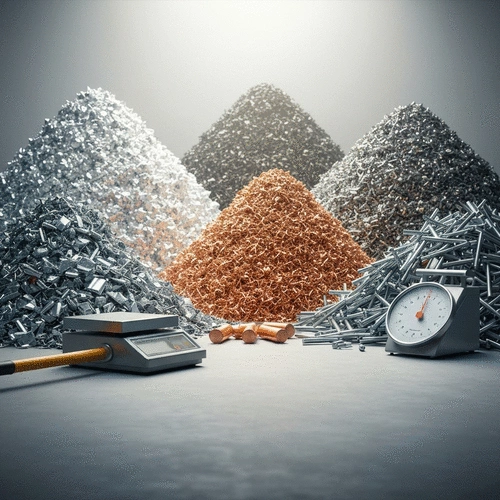
Understanding the common categories of scrap metals can significantly impact your recycling strategy. Below are some prevalent types and their potential value:
- Aluminum: Lightweight and often found in cans and foil, it's highly recyclable.
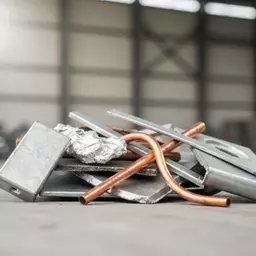
- Copper: Known for its excellent conductivity, often found in wiring. It holds a high market value!
- Brass: Usually found in plumbing fixtures, it’s a mix of copper and zinc and very valuable.
- Stainless steel: Renowned for its rust-resistance, it’s found in kitchen appliances and medical equipment.
Each category of scrap metal has its distinct market demand and value. By focusing on these categories, you can not only recycle responsibly but also enhance your financial returns, as highlighted by Wikipedia's overview of scrap.
Pro Tip
To maximize your profits when recycling scrap metal, always keep up-to-date with current market prices. Prices for metals can fluctuate significantly based on demand and supply. Websites like ScrapMonster or local scrap yards can provide real-time pricing information, helping you decide the best time to sell your scrap!
Evaluating Your Scrap Metal Strategy for Maximum Profit
When it comes to maximizing profit from scrap metal, a well-thought-out strategy is essential. At EcoScrap UAE, we believe that understanding the nuances of your operations can lead to significant financial gains. This means evaluating both your equipment investments and your sorting processes. Not only does this ensure efficiency, but it also boosts your bottom line.
To get started, consider the tools and systems in place for sorting your scrap metal. Investing in the right equipment can drastically reduce the time and labor involved in the sorting process, ultimately increasing your profit margins!
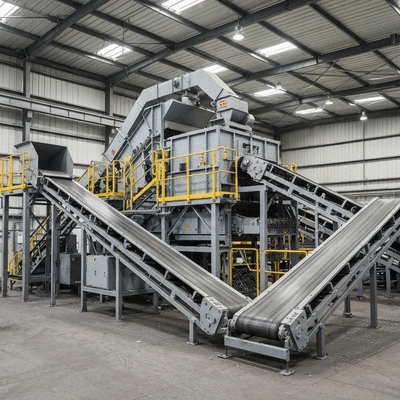
Analyzing Equipment Investment for Efficient Sorting
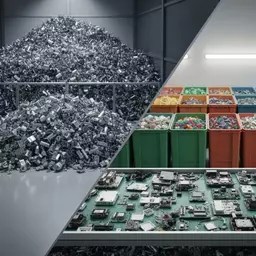
Investing in high-quality equipment for sorting can seem daunting, but it pays off in the long run. Here are some key tools you might consider:
- Magnetic separators: These are essential for quickly identifying ferrous metals, as discussed by ISRI regarding ferrous scrap.
- Metal shears: They help in cutting large pieces into manageable sizes.
- Balers: Ideal for compacting materials, making transport easier and more cost-effective.
- Conveyor belts: These streamline the sorting process, enhancing efficiency significantly.
By evaluating your current equipment against these options, you can identify opportunities for upgrades that will lead to better sorting efficiency and higher profits.
Real-World Case Studies: Profit Comparisons Before and After
Let’s look at a couple of examples from our clients who have transformed their operations:
- Client A: Before investing in metal shears, this client struggled with labor costs during sorting. After the investment, they reported a 30% increase in productivity and 15% higher profits.
- Client B: This client used basic hand sorting methods. Upon implementing a conveyor belt system, they achieved a 40% reduction in sorting time and doubled their monthly earnings!
These case studies illustrate the importance of evaluating and upgrading your equipment. The right tools not only enhance efficiency but can also yield significant profit increases.
Inventory Management Techniques for Scrap Metal Businesses
Effective inventory management is crucial for any scrap metal operation. A streamlined system allows for better tracking of materials, leading to more informed decisions and maximized profits. Here are some techniques to consider:
- Use inventory management software: This simplifies tracking and can provide real-time data on your stock levels.
- Implement a first-in, first-out (FIFO) approach: This ensures that older stock is sold before newer stock, minimizing potential loss.
- Regular audits: Conducting frequent checks on your inventory helps identify discrepancies and inefficiencies.
At EcoScrap UAE, we understand that managing scrap metal inventory can be overwhelming. However, with the right techniques, you can maintain accurate records, optimize storage, and ultimately boost your profitability!
Frequently Asked Questions (FAQs) About Scrap Metal Recycling
Here are some common questions about scrap metal recycling to help you further understand this valuable industry:
- Q1: What are the two main categories of scrap metal?
- A1: The two main categories are ferrous metals (which contain iron and are magnetic) and non-ferrous metals (which do not contain iron, are non-magnetic, and generally more valuable per kg).
- Q2: How can I identify different types of scrap metal?
- A2: Key identification techniques include using a magnet to distinguish between ferrous and non-ferrous metals, checking for distinct colors and shine (especially for non-ferrous), and looking for markings or stamps on the metal.
- Q3: Which common scrap metals have high market values?
- A3: Non-ferrous metals typically have higher market values. Common examples include copper (known for conductivity), brass (a copper-zinc alloy), and aluminum (lightweight and highly recyclable).
- Q4: How can businesses maximize profitability in scrap metal recycling?
- A4: Maximizing profitability involves several strategies, including investing in efficient sorting equipment (like magnetic separators, metal shears, and conveyor belts) and implementing effective inventory management techniques such as using software, a FIFO approach, and regular audits.
- Q5: What are the benefits of upgrading sorting equipment?
- A5: Upgrading sorting equipment can lead to significant benefits such as increased productivity, reduced labor costs, faster sorting times, and ultimately, higher profit margins, as demonstrated by our client case studies.
Recap of Key Points
Here is a quick recap of the important points discussed in the article:
- Scrap metal is categorized into ferrous (containing iron) and non-ferrous (lacking iron) metals, each with distinct properties and values.
- Key identification techniques include using a magnet, checking color and shine, and looking for metal markings.
- Understanding common scrap metals like aluminum, copper, and brass can enhance your recycling strategy and profitability.
- Investing in quality sorting equipment, such as magnetic separators and balers, can significantly improve efficiency.
- Effective inventory management techniques, including software use and regular audits, are crucial for maximizing profits in scrap metal operations.