In the UAE, the complexity of recycling plastic waste is not just an environmental issue; it’s a community challenge that demands urgent attention. Can we reshape our recycling processes to foster a sustainable future? Let's delve into some key insights that highlight the path forward.
What You Will Learn
- Infrastructure Gaps: Investment in improved recycling infrastructure is essential to manage increasing plastic waste effectively.
- Mixed Plastics Issue: Addressing the challenges of mixed plastics can enhance recovery rates and improve recycling outcomes.
- Cost Challenges: Identifying cost-effective recycling solutions is vital for sustaining recycling operations economically.
- Public Engagement: Increasing awareness and participation in recycling initiatives fosters a community-driven approach to waste management.
- Regulatory Clarity: Streamlining regulations will help businesses comply and improve local recycling efforts.
Key Challenges and Solutions in UAE Plastic Recycling
This visual outlines the critical issues hindering effective plastic scrap recycling in the UAE and proposes actionable solutions.
Infrastructure Gaps
Lack of adequate recycling facilities, limited collection systems, and insufficient drop-off points.
Mixed Plastics Issue
High contamination rates and increased processing costs due to varying plastic properties.
High Costs & Viability
Recycling operations are often more expensive than landfilling, deterring investment.
Public Awareness
Low participation rates due to insufficient understanding of waste disposal impact.
Regulatory Inconsistencies
Variations in regulations across emirates cause confusion for businesses and consumers.
Export Reliance
Vulnerability to global market changes and competition with cheaper virgin plastics.
Understanding the Challenges of Plastic Scrap Recycling in UAE
The challenge of recycling plastic scrap in the UAE is a pressing issue that affects both our environment and our communities. As an advocate for sustainable waste management through EcoScrap UAE, I’ve witnessed firsthand the complexities involved. We need to address several critical infrastructure gaps and economic factors to enhance our recycling systems. According to a report by the EPA, improving recycling infrastructure is crucial for effective waste management.
One major hurdle is the lack of adequate recycling facilities across the region. Many areas lack the necessary technology and resources to process plastic waste effectively, leading to a higher volume of materials ending up in landfills instead of being recycled.
Identifying Key Infrastructure Gaps in Recycling Systems
The recycling infrastructure in the UAE is not uniform, which complicates efforts to improve plastic waste management. In many cases, municipalities and private companies operate independently, resulting in a disconnect in services offered to residents. The State of Recycling Report highlights the importance of cohesive recycling frameworks.
- Limited collection systems for plastic waste
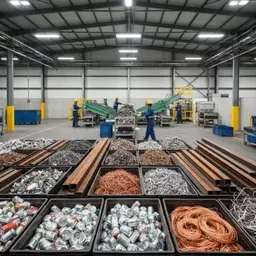
- Inadequate sorting technologies at recycling plants
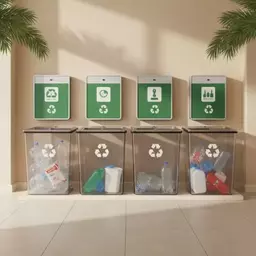
- Insufficient public facilities for recycling drop-off
By identifying and addressing these gaps, we can create a more cohesive recycling framework that effectively serves our communities. For example, the introduction of dedicated recycling hubs could streamline waste collection and processing, benefiting everyone involved.
Examining the Impact of Mixed Plastics on Recyclability
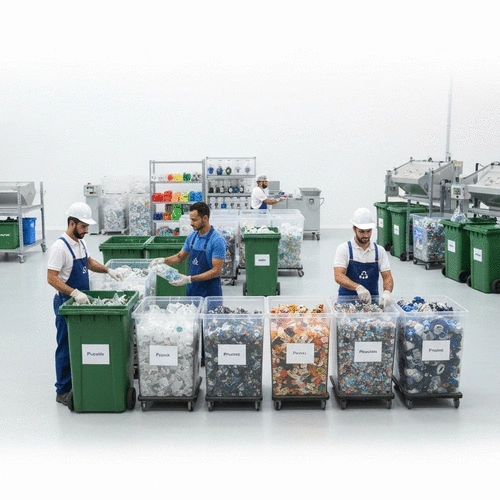
Another significant challenge we face is the prevalence of mixed plastics in recycling streams. Unlike single-type plastics, mixed plastics often have varying properties and cannot be easily recycled together. This complexity can significantly reduce the recyclability of materials.
- Increased contamination rates in recycling bins
- Higher processing costs for recycling facilities
- Lower quality of recycled materials produced
At EcoScrap UAE, we emphasize the importance of educating the public about proper sorting and disposal of plastics. When individuals know which plastics can be recycled, it not only improves the quality of the materials but also encourages more responsible behavior.
Addressing High Costs and Economic Viability of Recycling
Economic factors play a crucial role in the success of plastic recycling initiatives. The high costs associated with recycling operations often deter investment and innovation in the sector. For many businesses, the cost of recycling compared to landfilling can be a tough decision. The U.S. Plastics Recycling Economy report discusses financial viability challenges and opportunities in detail.
- Investment in technology to enhance efficiency
- Government incentives for recycling operations
- Partnerships with local businesses for sustainability efforts
To create a more sustainable future, it’s vital that we work together to find solutions that make recycling economically viable. For instance, local businesses could collaborate with recycling services like EcoScrap to streamline processes and share the financial burden.
Boosting Public Awareness to Enhance Participation in Recycling
Public awareness is a critical factor in the success of any recycling program. Many individuals do not fully understand the impact of their waste disposal choices, leading to low participation rates in recycling initiatives.
- Community workshops on recycling best practices
- Social media campaigns to spread awareness
- Collaboration with schools to educate kids about recycling
At EcoScrap UAE, I believe that by engaging the community through educational programs, we can foster a culture of recycling that benefits everyone. Every small action can lead to a big change in our environmental impact.
Frequently Asked Questions (FAQs)
- What are the main challenges for plastic recycling in the UAE?
The main challenges include infrastructure gaps, the issue of mixed plastics, high operational costs, low public awareness, regulatory inconsistencies, export reliance, and contamination in recycling streams.
- How can infrastructure gaps in recycling be addressed?
Infrastructure gaps can be addressed by investing in dedicated recycling hubs, streamlining collection services, improving sorting technologies, and increasing the number of public drop-off facilities.
- Why are mixed plastics an issue for recyclability?
Mixed plastics pose a challenge due to varying properties that lead to high contamination rates, increased processing costs, and lower quality recycled materials, making them difficult to recycle together.
- What solutions exist for the high costs of recycling operations?
Solutions include government incentives, fostering business partnerships, and investing in advanced technologies to enhance efficiency and make recycling more economically viable.
- How can public participation in recycling be improved?
Public participation can be improved through community workshops, social media campaigns, and collaborations with schools to educate individuals about proper waste disposal and the impact of their choices.
- What is the impact of regulatory inconsistencies on recycling efforts?
Regulatory inconsistencies across different emirates create confusion for businesses and consumers, hindering compliance and effective recycling efforts. Standardized regulations are needed for clarity.
- How does the UAE's reliance on exporting recyclables affect the local industry?
Export reliance makes the local industry vulnerable to global market fluctuations and competition from cheaper virgin plastics, impacting the stability and viability of domestic recycling operations.
Navigating Regulatory Inconsistencies and Compliance Issues
Regulatory inconsistencies can create confusion around recycling practices, making it challenging for companies to comply with laws. With various regulations across the UAE, businesses often struggle to navigate the legal landscape.
- Variation in recycling regulations by emirate
- Confusing compliance requirements for businesses
- Lack of clear guidelines for consumers
To improve compliance and enhance recycling efforts, it’s essential that we advocate for standardized regulations across the UAE. This will provide clarity and support for both businesses and residents, enabling more effective recycling practices.
Mitigating Contamination in Recycling Streams
Contamination of recycling streams is a significant barrier to successful recycling. Contaminated materials can render an entire batch of recyclables unusable, leading to increased costs and waste.
- Education on proper recycling techniques
- Use of sorting technology to minimize contamination
- Community initiatives to clean up contaminated areas
As part of our mission at EcoScrap UAE, we promote initiatives that help reduce contamination in recycling. By working together, we can improve the quality of materials that are ultimately recycled and make more efficient use of resources.
Understanding Export Reliance and Virgin Plastic Economics
The UAE’s reliance on exporting recyclables poses challenges for the local recycling industry. When markets for these materials fluctuate, it can impact the viability of domestic recycling operations.
- Vulnerability to global market changes
- Challenges in maintaining a stable supply of recycled materials
- Competition with cheaper virgin plastics
To address this issue, we must explore alternatives that prioritize local recycling efforts and reduce dependence on export markets. Supporting businesses like EcoScrap that focus on domestic solutions can help create a more resilient recycling sector.
Exploring the Impact of Government Regulations on the UAE Recycling Industry
The role of government regulations is pivotal in shaping the recycling landscape in the UAE. These regulations can either support or hinder recycling initiatives, depending on their design and implementation.
- Incentives for recycling versus penalties for non-compliance
- Support for innovation and technology in recycling
- Clarity in regulations to encourage participation
By engaging with policymakers to shape effective regulations, we can ensure that the recycling industry thrives and evolves to meet the needs of our changing environment.
Assessing the Role of Local Municipalities in Plastic Waste Management
Local municipalities play a crucial role in managing plastic waste and implementing recycling programs. Their policies directly impact how effectively recycling is carried out within communities.
- Provision of adequate recycling bins and facilities
- Public outreach campaigns to increase awareness
- Collaboration with local businesses for effective waste management
At EcoScrap UAE, I believe that working closely with local municipalities is essential to achieving our shared goals. By collaborating and sharing resources, we can cultivate a more sustainable environment for everyone.
We Want to Hear From You!
What do you think about the current challenges of plastic scrap recycling in the UAE? Share your thoughts below:
Summarizing the Path Forward in Plastic Scrap Recycling
As we navigate the complex landscape of plastic scrap recycling, it's clear that a collective effort is essential for meaningful progress. At EcoScrap UAE, we believe that understanding both the challenges and the innovative solutions available can pave the way for a more sustainable future. Here are some key takeaways that outline our path forward:
Key Takeaways on Challenges and Solutions
- Infrastructure Gaps: We need to invest in better recycling infrastructure to handle the growing amounts of plastic waste.
- Mixed Plastics Issue: Addressing the recyclability of mixed plastics can significantly enhance recovery rates.
- Cost Challenges: Finding cost-effective recycling solutions is vital for the economic viability of recycling operations.
- Public Engagement: Boosting awareness and participation in recycling initiatives will foster a community-driven approach.
- Regulatory Clarity: Streamlining regulations can help businesses comply and enhance local recycling efforts.
By recognizing these challenges and implementing targeted solutions, we can effectively improve plastic recycling in the UAE.
Encouraging Collective Action for a Sustainable Future
Collective action is the cornerstone of sustainable change. As an environmental advocate, I encourage everyone—individuals, businesses, and governments—to join hands in this crucial mission. Together, we can:
- Support local recycling initiatives and community programs.
- Advocate for policies that promote sustainability.
- Collaborate across sectors to enhance recycling systems.
By working together, we can create a robust recycling culture that thrives on shared responsibility and mutual benefit.
Call to Action: Engaging Stakeholders and the Community
It's time to take action! I invite stakeholders across the recycling ecosystem to engage with their communities actively. Here’s how you can contribute:
- Organize local clean-up events to raise awareness about plastic waste.
- Collaborate with EcoScrap UAE for workshops that educate on recycling practices.
- Support initiatives that promote the circular economy.
Your involvement can lead to tangible improvements in waste management and environmental conservation.
Highlighting Eco-Friendly Practices for Businesses in the Recycling Sector
At EcoScrap UAE, we prioritize eco-friendly practices that not only benefit our operations but also contribute to the broader goal of sustainability. Here are some practices we advocate:
- Waste Segregation: Implementing strict waste segregation policies ensures higher recycling rates.
- Energy Efficiency: Utilizing energy-efficient technologies in recycling processes reduces our carbon footprint.
- Community Engagement: Involving local communities in recycling efforts fosters a collaborative environment.
These practices not only enhance our efficiency but also position us as leaders in the recycling sector.
Outlining Industry Best Practices for Effective Plastic Waste Management
To maximize the effectiveness of plastic waste management, the industry must adopt best practices that drive results. Here are some recommendations:
- Establish clear guidelines for plastic waste collection and sorting.
- Invest in advanced recycling technologies, such as chemical recycling.
- Promote educational campaigns to inform the public about recycling benefits.
By implementing these best practices, we can transform the recycling landscape in the UAE and ensure a cleaner, more sustainable future for generations to come.
Recap of Key Points
Here is a quick recap of the important points discussed in the article:
- Infrastructure Gaps: Investment in better recycling infrastructure is necessary for effective plastic waste management.
- Mixed Plastics Issue: Addressing the recyclability of mixed plastics can significantly enhance recovery rates.
- Cost Challenges: Finding cost-effective recycling solutions is vital for the economic viability of recycling operations.
- Public Engagement: Boosting awareness and participation in recycling initiatives will foster a community-driven approach.
- Regulatory Clarity: Streamlining regulations can help businesses comply and enhance local recycling efforts.