What if every piece of scrap metal you discarded could help protect the environment and even put some cash in your pocket? Sorting and recycling scrap metals is not just a responsible choice—it's an opportunity to contribute to a cleaner planet.
What You Will Learn
- Understanding what scrap metals are and the importance of sorting them for recycling.
- The environmental benefits of recycling scrap metals, including energy conservation and pollution reduction.
- Key differences between ferrous and non-ferrous metals and how these categories affect recycling.
- Practical tips for finding local scrap yards and maximizing your profits through informed selling.
Ferrous vs. Non-Ferrous Metals: A Key Distinction for Recycling
Understanding the difference between ferrous and non-ferrous metals is essential for efficient recycling and maximizing profit. This comparison highlights their key characteristics and common examples.
Ferrous Metals
- • Iron Content: Contain iron.
- • Magnetic: Are magnetic.
- • Examples: Steel, Cast Iron.
Often found in appliances, auto parts, and construction.
Non-Ferrous Metals
- • Iron Content: Do not contain iron.
- • Magnetic: Generally not magnetic.
- • Examples: Aluminum, Copper, Brass.
Commonly found in cans, wiring, pipes, and car radiators.
Understanding Scrap Metals: A Home Guide
Have you ever wondered what happens to metals once they leave your hands? Understanding scrap metals is the first step in ensuring responsible recycling practices. By identifying and sorting scrap metals at home, we can contribute to a cleaner environment while potentially earning some extra cash. Let’s dive into what scrap metals are and why taking the time to sort them is valuable!
What Are Scrap Metals and Why Sort Them?
Scrap metals refer to materials that can be recycled and reused, rather than ending up in a landfill. This includes everything from old appliances to leftover building materials. Sorting them is crucial because it allows recycling facilities to process these materials efficiently and effectively. If you’ve ever visited a scrap yard, you might have noticed how organized they are—this organization starts at home! According to the Occupational Safety and Health Administration (OSHA), proper waste management, including the sorting of scrap metals, is vital for safety and environmental protection in green jobs like recycling.
- Reduces waste: Sorting scrap metals helps decrease landfill overflow.
- Increases recycling efficiency: Properly sorted metals are easier to process.
- Earn some cash: Many scrap yards pay for various metals, turning your waste into profit!
At EcoScrap UAE, we believe that every little effort counts! Sorting scrap metals not only helps the environment but also fosters a sense of community responsibility. So, what are you waiting for? Let’s get sorting!
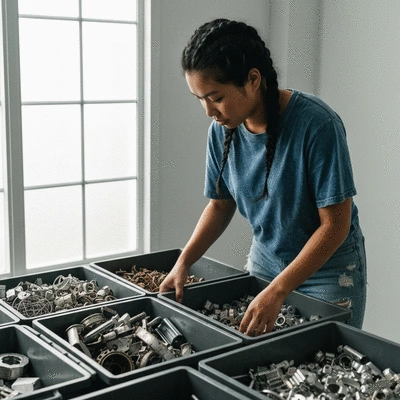
Key Benefits of Identifying and Separating Scrap Metals
Identifying and separating scrap metals at home can seem like a daunting task, but the benefits are immense! Not only does it create a more organized space, but it also contributes to sustainability efforts. Here are some key benefits you should consider:
- Environmental impact: Recycling metals conserves energy and natural resources.
- Community support: By recycling, you support local recycling programs and initiatives.
- Educational opportunity: Teaching kids about recycling can instill lifelong sustainable habits!
At EcoScrap, we’re passionate about making recycling accessible and engaging. By understanding the benefits, you can inspire others to join the cause!
Types of Scrap Metals: Ferrous vs. Non-Ferrous Overview
It’s essential to know that not all metals are the same. They fall into two main categories: ferrous and non-ferrous metals. Understanding this distinction will make your sorting process much smoother! The proper identification and disposition of scrap materials are also important for government contractors, as outlined by the Federal Acquisition Regulation (FAR) 45.606, which addresses the reporting, reinvestment, and disposal of scrap.
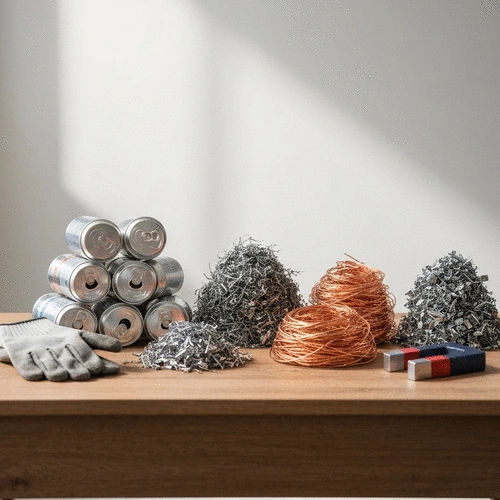
- Ferrous metals: Contain iron and are magnetic. Examples include steel and cast iron.
- Non-ferrous metals: Do not contain iron and are generally not magnetic. Common types are aluminum, copper, and brass.
Sorting these metals not only improves recycling outcomes but can also impact the value you receive at scrap yards. So, the next time you come across a metal item, think about its type and how it can be recycled effectively!
Frequently Asked Questions About Scrap Metal Recycling
Here are some common questions about identifying and recycling scrap metals:
- Q: What is the main difference between ferrous and non-ferrous metals?
- A: Ferrous metals contain iron and are magnetic (e.g., steel, cast iron), while non-ferrous metals do not contain iron and are generally not magnetic (e.g., aluminum, copper, brass).
- Q: Why is sorting scrap metals important for recycling?
- A: Sorting increases recycling efficiency, reduces waste in landfills, and can help you earn more money at scrap yards because different metals have different values and processing requirements.
- Q: What are the environmental benefits of recycling scrap metals?
- A: Recycling metals conserves natural resources, significantly reduces energy consumption compared to producing new materials, and decreases harmful emissions and pollution associated with mining and manufacturing.
- Q: How can I find a reliable local scrap yard?
- A: You can find local scrap yards through online searches (Google, local directories), by asking for recommendations from friends or family, or by checking community bulletin boards and online platforms. It's recommended to call ahead to inquire about accepted metals and pricing.
- Q: How can I estimate the profit from my scrap metal?
- A: You can estimate profit by checking scrap metal price sheets provided by yards, using online calculators, or downloading apps that track real-time scrap prices. Staying informed about market rates helps maximize your returns.
We Want to Hear From You!
What do you think about sorting scrap metals? Have you already started recycling at home? Share your thoughts below:
Next Steps: Turning Scrap Metal into Profit
Now that you’ve gained a solid understanding of identifying scrap metals, it's time to think about how to turn your efforts into profit! At EcoScrap UAE, we believe that recycling is not just good for the planet, but it can also be a valuable source of income. Let’s explore how you can make the most out of your scrap metal!
Finding Local Scrap Yards: A Guide to Recycling Your Metals
Finding a reliable scrap yard is crucial for maximizing your returns. Here’s how you can locate one nearby:
- Online Research: Use Google or local directories to find scrap yards in your area.
- Ask for Recommendations: Connect with friends or family who might have experience in scrap metal recycling.
- Visit Community Bulletin Boards: Local community centers or online platforms often list recycling services.
Once you find a few scrap yards, it’s wise to call ahead and ask about their accepted metals and pricing policies. Each yard may have different rates based on the current market! Understanding these details can help you choose the best option for profit.
Using Price Tables and Calculators for Profit Estimation
Estimating potential profit is easier when you have access to up-to-date pricing. Here are some resources you can utilize:
- Scrap Metal Price Sheets: Many scrap yards provide monthly or weekly price lists online.
- Calculators: Online tools can help you estimate the value of your metals based on current prices.
- Apps: Consider downloading apps that track scrap prices in real-time—keeping your eyes on the market can lead to better profits!
Remember, the more informed you are about pricing, the better deals you can negotiate with scrap yards. Your effort in research can lead to a significant increase in your returns!
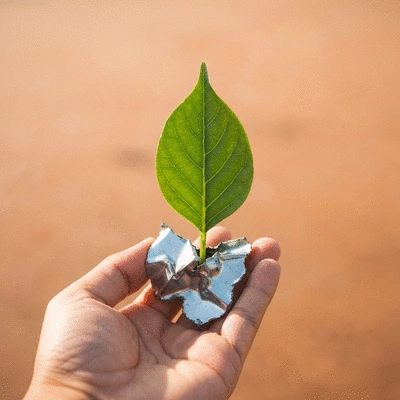
Understanding the Recycling Process and Its Environmental Impact
Recycling scrap metal is not just about profit—it also plays a crucial role in protecting our environment. Here’s how:
- Conserves Natural Resources: Recycling reduces the need for new raw materials, which helps preserve our planet's resources.
- Reduces Energy Consumption: The process of recycling metals typically uses less energy than extracting new materials.
- Decreases Pollution: By recycling, we can significantly reduce harmful emissions associated with mining and production processes. Advanced technologies, such as X-ray diagnostics for scrap metal sorting, are continuously being developed to improve the efficiency and environmental benefits of recycling.
As an environmental advocate, I’m passionate about promoting these practices. Every piece of metal you recycle contributes to a cleaner, healthier planet. At EcoScrap UAE, we’re here to support your journey in responsible recycling!
Recap of Key Points
Here is a quick recap of the important points discussed in the article:
- Understanding Scrap Metals: Scrap metals are recyclable materials that can prevent landfill overflow.
- Sorting Benefits: Sorting scrap metals increases recycling efficiency and can turn waste into profit.
- Types of Metals: Know the difference between ferrous (magnetic) and non-ferrous (non-magnetic) metals for better sorting.
- Finding Scrap Yards: Use online research and community recommendations to locate reliable scrap yards.
- Profit Estimation: Stay informed on current scrap prices using price sheets and online calculators to maximize returns.
- Environmental Impact: Recycling conserves natural resources, reduces energy consumption, and decreases pollution.