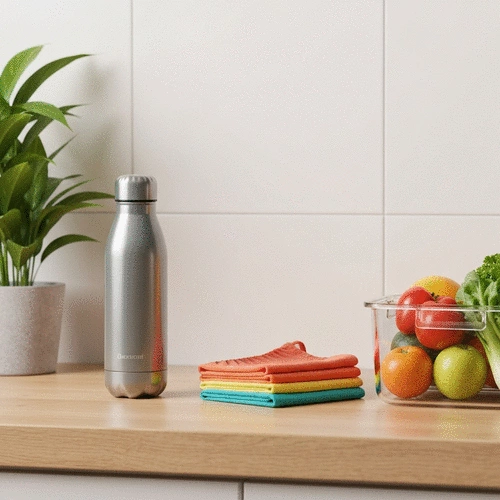
As the world shifts towards sustainability, the UAE is taking bold steps with its upcoming single-use plastic ban. This initiative not only aims to reduce waste but also encourages us to adopt eco-friendly practices in our daily lives. Let's explore what you can expect and how you can contribute to this crucial movement.
What You Will Learn
- The single-use plastic ban in the UAE aims to significantly reduce pollution by 2026.
- Consumers will need to transition to reusable products, like tote bags and glass containers.
- Key dates include 2024 for initial regulations and a complete ban by 2026.
- The UAE government is offering support through educational programs and incentives for businesses.
- A wide range of products will be affected, including plastic cutlery, straws, and food containers.
- Understanding biodegradable plastics is essential for making informed choices in the new landscape.
UAE Single-Use Plastic Ban: Key Dates and Affected Products
This visual outlines the phased implementation of the UAE's single-use plastic ban and lists common products that will be eliminated, encouraging sustainable alternatives.
Phased Implementation Timeline
Year: 2024
Introduction of regulations on specific plastic items.
Year: 2025
Increase in awareness campaigns for consumers.
Year: 2026
Complete ban on all designated single-use plastic products.
Banned Single-Use Plastic Products
- ✓ Plastic Bags
- ✓ Plastic Cutlery (forks, knives, spoons)
- ✓ Plastic Straws
- ✓ Styrofoam Food Containers
- ✓ Single-Use Plastic Cups
- ✓ Plastic Plates
- ✓ Stir Sticks
- ✓ Plastic-Wrapped Food Items
Understanding the Single-Use Plastic Ban in the UAE
The single-use plastic ban in the UAE marks a significant step toward fostering a more sustainable environment. By 2026, this initiative aims to reduce the reliance on disposable plastics that contribute to pollution and waste. As an environmental advocate with a passion for sustainability, I believe this ban represents an incredible opportunity for us all to rethink our consumption habits and embrace more responsible choices.
Many consumers might be wondering how this ban will affect their daily lives. It’s essential to understand that while it may require some adjustments, the ultimate goal is to protect our planet. By gradually shifting away from single-use plastics, we can contribute to a healthier, cleaner environment in the UAE.

What the 2026 Plastic Ban Means for Consumers
The 2026 plastic ban is a pivotal moment for consumers in the UAE. It means that many everyday items we currently use will no longer be available in plastic form. This transition encourages us to explore alternative solutions that are better for our environment. For example, think about swapping out plastic bags for reusable tote bags or opting for glass containers instead of plastic ones.
- Increased awareness of sustainable practices
- Adoption of reusable products to minimize waste
- Opportunities to support local businesses offering eco-friendly solutions
These changes aren’t just about compliance; they are about fostering a culture of sustainability among consumers. It’s an exciting challenge that I, along with EcoScrap UAE, am eager to tackle with our community!
Key Dates in the Phased Implementation of Plastic Regulations
The phased approach to implementing the plastic regulations highlights the government’s commitment to a smooth transition. Key dates to remember include:
- 2024: Introduction of regulations on specific plastic items.
- 2025: Increase in awareness campaigns to educate consumers.
- 2026: Complete ban on all designated single-use plastic products.
Being aware of these dates allows us to prepare and adapt gradually. It’s a fantastic way to align our habits with the UAE’s environmental goals, and I’m excited to see how we can all play our part in this journey.
Government Support: Role of the UAE Government and Relevant Ministries
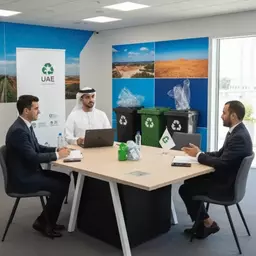
The UAE government, along with various ministries, plays a crucial role in supporting the plastic ban. Their commitment includes not only setting regulations but also providing resources and guidance to businesses and consumers. This collaborative effort aims to ensure a seamless transition to sustainable practices. The U.S. Environmental Protection Agency (EPA) also provides valuable resources on plastics and their sustainable management, offering insights that align with the UAE's goals.
- Development of educational programs focused on recycling and waste management
- Incentives for businesses to adopt eco-friendly practices
- Community initiatives that engage citizens in sustainability efforts
As we move forward, it’s vital to recognize that this is a shared effort. At EcoScrap UAE, we are dedicated to empowering our community with knowledge and resources, enabling everyone to participate actively in this positive change! The National Strategy to Prevent Plastic Pollution further emphasizes the importance of governmental and community collaboration in tackling plastic waste.
Interactive Poll: Your Thoughts Matter!
As we move towards the single-use plastic ban in the UAE, we want to know—what changes are you most excited about? Select one option below:
Identifying Products Affected by the Ban
As the UAE moves toward a more sustainable future with the single-use plastic ban, it’s crucial for consumers to understand which products are impacted. This knowledge empowers us to make informed choices and prepare for the transition. Knowing what items will be banned can help us adapt our habits and explore sustainable alternatives.
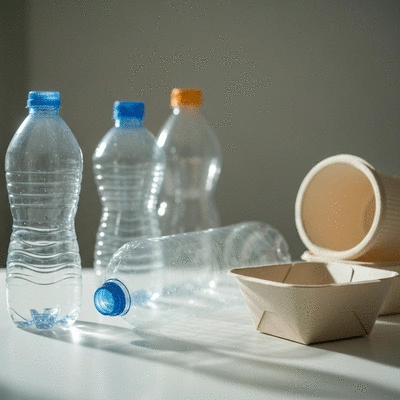
Some of the most common single-use plastics that will be phased out include packaging items, utensils, and more. Let’s dive into a comprehensive list of these products so that we can all take proactive steps in reducing our plastic footprint.
Comprehensive List of Banned Single-Use Plastics
- Plastic bags
- Plastic cutlery (forks, knives, spoons)
- Plastic straws
- Food containers made from expanded polystyrene (Styrofoam)
- Single-use plastic cups
- Plastic plates
- Stir sticks
- Plastic-wrapped food items
Understanding this list allows consumers to pivot towards reusable or biodegradable options. For instance, replacing plastic cutlery with stainless steel alternatives not only helps the environment but also enhances your dining experience. The more we engage with these changes, the quicker we can normalize sustainable habits!
Specific Categories: Cutlery, Containers, Straws, and More
To better visualize the impact of the ban, let’s break down the specific categories affected:
- Cutlery: No more plastic forks, knives, or spoons at your next picnic or party!
- Containers: This includes take-out food containers and any items made from Styrofoam.
- Straws: A simple switch to reusable straws can make a big difference!
These changes challenge us to rethink our daily habits. Embracing alternatives not only reduces waste but can also create a more enjoyable and eco-friendly lifestyle. Have you considered investing in a reusable cutlery set or eco-friendly containers for your food storage needs? It’s a great way to contribute to the planet!
Understanding Biodegradable Plastics and Their Role in the Ban
While transitioning away from single-use plastics, many people wonder about biodegradable plastics. These materials are designed to break down under specific conditions, making them an appealing alternative. However, they are not a perfect solution and come with their own set of challenges.
It's essential to differentiate between biodegradable plastics and traditional plastics. Biodegradable options still require proper disposal methods to ensure they decompose effectively. Here are some key points to consider:
- Biodegradable plastics can be made from natural materials like corn or sugarcane.
- They may still leave microplastics behind if not disposed of correctly.
- Consumers should look for certification labels that indicate compostability.
With the right knowledge, we can navigate this new landscape of materials and make choices that align with our values. At EcoScrap UAE, we believe that understanding these options will empower each of us to contribute to a cleaner environment. Remember, being eco-conscious is a journey, and every step counts! For more detailed information on managing plastics sustainably, you can refer to the EPA's Sustainable Materials Management of Plastics initiative.
Frequently Asked Questions (FAQs)
1. When does the single-use plastic ban in the UAE go into full effect?
The complete ban on all designated single-use plastic products is scheduled for 2026. Prior to that, regulations on specific plastic items will be introduced in 2024, followed by increased awareness campaigns in 2025.
2. What types of products are affected by the ban?
A wide range of single-use plastic products will be banned, including plastic bags, plastic cutlery (forks, knives, spoons), plastic straws, Styrofoam food containers, single-use plastic cups, plastic plates, stir sticks, and plastic-wrapped food items.
3. How can consumers prepare for the plastic ban?
Consumers can prepare by transitioning to reusable alternatives such as tote bags for shopping, glass containers for food storage, and stainless steel cutlery. Embracing these eco-friendly habits will help minimize waste and support the ban's objectives.
4. What role does the UAE government play in supporting this initiative?
The UAE government, along with relevant ministries, is actively involved in supporting the ban through educational programs, incentives for businesses to adopt sustainable practices, and community initiatives aimed at engaging citizens in sustainability efforts.
5. Are biodegradable plastics a suitable alternative to traditional single-use plastics?
Biodegradable plastics can be an alternative, as they are designed to break down under specific conditions. However, it's crucial to understand that they still require proper disposal methods to decompose effectively and may leave microplastics if not handled correctly. Consumers should look for certified compostable labels.
Recap of Key Points
Here is a quick recap of the important points discussed in the article:
- The UAE's single-use plastic ban aims to reduce reliance on disposable plastics by 2026, promoting a sustainable environment.
- Consumers are encouraged to adopt reusable products, such as tote bags and glass containers, to minimize waste.
- Key implementation dates include regulations starting in 2024, awareness campaigns in 2025, and a complete ban in 2026.
- The government provides support through educational programs and incentives for businesses to adopt eco-friendly practices.
- Understanding the list of banned items, such as plastic cutlery and bags, helps consumers transition to sustainable alternatives.
- Biodegradable plastics can be an alternative, but proper disposal methods are essential to ensure they break down effectively.