
What if your daily actions could help shape a more sustainable future? In the UAE, government regulations on paper waste recycling are not just guidelines; they are the backbone of a nationwide effort toward environmental stewardship. Understanding these regulations is crucial for anyone looking to contribute meaningfully to a cleaner planet.
What You Will Learn
- The UAE aims for a 75% increase in recycling rates through its National Waste Management Strategy.
- Key regulations mandate proper sorting, packaging, and recycling processes to minimize contamination.
- The Federal Authority for the Environment plays a crucial role in enforcing recycling guidelines and promoting awareness.
- Emerging technologies, such as AI, are transforming recycling processes, making them more efficient and effective.
- Community engagement and awareness are essential for successful recycling initiatives in the UAE.
Framework for Paper Waste Recycling in UAE
The visual below outlines the key pillars and future outlook for paper waste recycling in the UAE, driven by government regulations and technological advancements.
Current Regulatory Landscape
- National Waste Management Strategy: 75% recycling target by 2021.
- Local Government Programs: Investment in facilities & awareness.
- Key Regulations: Sorting, labeling, minimizing contamination.
- Federal Authority for Environment: Guidelines, monitoring, promotion.
Driven by UAE Vision 2030
Future Outlook & Innovation
- Emerging Policies: Stricter segregation, increased penalties, incentives.
- AI & Tech Integration: Automated sorting, supply chain transparency.
- Circular Economy Initiatives: Waste minimization, material reuse.
- Community Participation: Household & business engagement.
Advancing towards a greener UAE
Understanding UAE Government Regulations on Paper Waste Recycling
The recycling landscape in the UAE is shaped significantly by government regulations that aim to promote responsible waste management, particularly concerning paper. As the owner of EcoScrap UAE, I have seen firsthand how these regulations not only guide businesses like ours but also empower individuals to engage in sustainable practices. Understanding the framework of these policies is essential for anyone looking to contribute to a cleaner environment.
At the core of these initiatives is the commitment to achieving sustainability goals outlined in the UAE Vision 2030. This visionary plan emphasizes the importance of environmental conservation, and recycling plays a pivotal role in this journey. By comprehending the regulations governing paper waste recycling, we can better appreciate how they influence our daily lives and contribute to our collective responsibility.
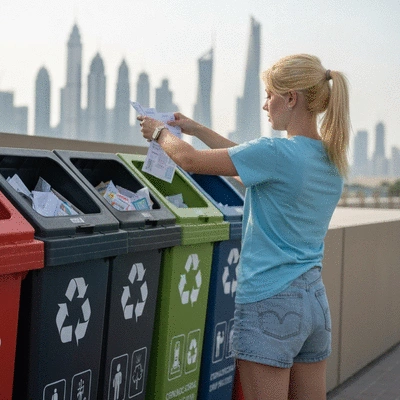
Overview of UAE Recycling Policies and Initiatives
The UAE has implemented a range of recycling policies and initiatives designed to enhance waste management practices. These policies are structured to create a circular economy, where resources are reused and recycled rather than discarded. Some key initiatives include:
- National Waste Management Strategy: A comprehensive framework to reduce waste production and increase recycling rates by 75% by 2021.
- Local Government Programs: Initiatives at the emirate level that invest in recycling facilities and public awareness campaigns.
- Incentive Programs: Financial and logistical support for businesses that embrace recycling practices and contribute to sustainability.
These policies not only provide a roadmap for businesses like EcoScrap UAE but also lay the groundwork for community engagement and awareness, which are crucial for successful recycling efforts.
The Role of UAE Vision 2030 in Promoting Sustainable Practices
The UAE Vision 2030 is a guiding force behind the country's shift toward sustainability. By prioritizing environmental responsibility, this vision aims to cultivate a culture of sustainability across all sectors. It emphasizes the need for innovative recycling solutions, which directly aligns with our mission at EcoScrap UAE. We are wholly committed to fostering a more sustainable future through our recycling services.
This national vision has also led to increased investment in recycling technologies and facilities. The result? A more efficient system that encourages residents and businesses to participate actively in recycling.
Key Regulations Governing Paper Waste Recycling
Understanding the key regulations governing paper waste recycling in the UAE is crucial for compliance and effective recycling. These regulations mandate:
- Proper sorting and separation of recyclable materials from general waste.
- Adherence to specific packaging and labeling requirements for recyclables.
- Implementation of efficient recycling processes that minimize contamination.
Being compliant with these regulations not only helps individuals and businesses avoid penalties but also enhances the overall recycling rate. At EcoScrap UAE, we ensure that our services are fully aligned with these regulations, making it easier for our clients to contribute positively to the environment.
Federal Authority for the Environment’s Role in Paper Recycling
The Federal Authority for the Environment plays a vital role in overseeing and enforcing recycling regulations. Their responsibilities include:
- Establishing guidelines for waste management and recycling.
- Monitoring compliance among businesses and municipalities.
- Promoting public awareness of recycling initiatives and benefits.
Through our partnership with the Federal Authority for the Environment, EcoScrap UAE stays updated on regulations and best practices, ensuring that we provide the most efficient recycling solutions possible.
Impact of Government Regulations on Recycling Practices
The impact of government regulations on recycling practices in the UAE cannot be overstated. These rules shape how we manage waste and influence individual behaviors regarding recycling. By understanding these regulations, we can actively participate in sustainable practices that truly benefit our environment. Indeed, paper recycling is key to Dubai's environmental efforts, highlighting the importance of these policies.
In the following sections, we will delve deeper into how these regulations not only foster compliance but also inspire a culture of recycling across the UAE. Stay tuned as we explore the intricate relationship between government policies and community engagement in recycling initiatives!
Pro Tip
Did you know? Properly preparing your paper for recycling can significantly enhance the quality of the recycled material. Make sure to remove any plastic bindings, tape, or non-paper materials from your paper waste. Clean and dry paper increases the chances of it being effectively processed and reused, contributing to a more sustainable recycling cycle!
Frequently Asked Questions about Paper Waste Recycling in the UAE
What is the UAE's main goal for recycling rates?
The UAE aims for a 75% increase in recycling rates through its National Waste Management Strategy.
What are the key regulations for paper waste recycling in the UAE?
Key regulations mandate proper sorting, packaging, and recycling processes to minimize contamination of paper waste.
How does the Federal Authority for the Environment contribute to paper recycling?
The Federal Authority for the Environment plays a crucial role in enforcing recycling guidelines, monitoring compliance, and promoting public awareness regarding paper recycling initiatives.
What role do emerging technologies like AI play in recycling processes?
Emerging technologies such as AI are transforming recycling processes by enabling automated sorting, improving efficiency, and ensuring the effective processing of recyclable materials.
Why is community engagement important for successful recycling initiatives?
Community engagement and awareness are essential for successful recycling initiatives in the UAE because they foster a culture of sustainability and encourage active participation from households and businesses.
Looking Ahead: Future of Paper Waste Recycling in the UAE
As we look towards the future of paper waste recycling in the UAE, it’s clear that we are on the brink of significant changes. The landscape of recycling is ever-evolving, shaped by emerging policies and innovative technologies. At EcoScrap UAE, we are excited to witness how these advancements will enhance our recycling efforts and contribute to our mission of promoting a cleaner environment.
In particular, the integration of AI and other cutting-edge technologies will redefine our recycling processes. Imagine automated sorting systems that can identify and separate different types of paper waste more efficiently than ever before! This not only increases recycling rates but also minimizes contamination—a critical factor in ensuring that recyclable materials are processed correctly.

Emerging Policies and Technological Innovations
The UAE government is committed to developing policies that encourage sustainable recycling practices. Among these, I anticipate changes in regulations that will significantly enhance enforcement measures in the recycling sector. These measures are designed to ensure compliance and drive accountability among businesses and residents alike. The Federal Law No. (12) of 2018 on Integrated Waste Management further strengthens these efforts.
- Strengthening regulations surrounding waste segregation
- Increased penalties for non-compliance
- Enhanced support for recycling facilities through government incentives
Such policies will empower organizations like EcoScrap UAE to operate more effectively within a structured framework, ensuring that we contribute positively to environmental stewardship.
Integration of AI and Other Technologies in Recycling Processes
The role of technology in recycling cannot be overstated. With advancements like AI-driven sorting machines, we can improve the accuracy and speed of recycling operations. These technologies facilitate the sorting of paper waste based on quality and type, allowing us to recover higher volumes of usable materials. It’s truly a game-changer! Our aim at EcoScrap UAE is to adopt these technologies to refine our processes further.
In addition to AI, other innovations like blockchain technology can enhance transparency in the recycling supply chain. Imagine having detailed records of where recycled materials go, ensuring they are processed responsibly. This not only builds trust with our clients but also promotes a culture of accountability in the recycling industry.
Circular Economy Initiatives and Their Role in Recycling
Another exciting development is the push towards a circular economy, where waste is minimized, and materials are continuously reused. This concept is vital in redefining how we view paper waste. Instead of seeing it as trash, we can view it as a valuable resource that can be reincorporated into the production cycle.
- Support for local businesses using recycled materials
- Incentives for companies to adopt sustainable packaging
- Community programs encouraging the reuse of paper products
At EcoScrap UAE, we believe that embracing circular economy initiatives will not only reduce waste but also create economic opportunities within our communities. By working together, we can foster a more sustainable future that benefits both the environment and our economy.
Summarizing the Impact of UAE Government Regulations
As we evaluate the impact of these regulations, it’s important to recognize the positive effects they have on sustainability and environmental stewardship. By fostering a mindset of responsibility and accountability, we can collectively contribute to a cleaner, greener UAE.
The Positive Effects on Sustainability and Environmental Stewardship
We often gather insights from various stakeholders, including local businesses and community members, about the efficacy of these regulations. Many express their support for stricter guidelines that promote responsible recycling behavior. This feedback is invaluable in shaping future policies that align with our sustainability goals.
- Increased community participation in recycling programs
- Improved awareness of sustainable practices
- Enhanced corporate responsibility within the recycling sector
The enthusiasm from businesses partnering with EcoScrap UAE encourages us to continue advocating for effective recycling practices that protect our environment.
Environmental Impact Assessment of Recycling Practices
Conducting thorough environmental impact assessments of recycling practices reveals the substantial benefits of recycling initiatives. Not only do these practices reduce landfill waste, but they also conserve natural resources and lower carbon emissions. It’s encouraging to see that with each recycled ton of paper, we make strides toward a healthier planet for future generations.
Call to Action for Community Participation in Recycling Initiatives
As part of our mission at EcoScrap UAE, we encourage all community members to get involved in recycling initiatives. Every small effort counts. Together, we can create a culture of sustainability that spans households and businesses alike. So, let’s take those first steps today!
Encouraging Sustainable Practices Within Households and Businesses
I often remind my friends and family: sustainability starts at home. Simple actions like setting up recycling stations and educating family members about what can be recycled make a big difference. Imagine if every household committed to recycling! The impact would be monumental.
Private Sector Partnerships in Advancing Recycling Goals
Additionally, forging partnerships with local businesses can amplify our recycling efforts. Businesses play a crucial role in supporting sustainable practices, and we invite them to collaborate with EcoScrap UAE in pursuing innovative recycling solutions. Together, we can pave the way for a cleaner, more sustainable future!
Recap of Key Points
Here is a quick recap of the important points discussed in the article:
- UAE government regulations support responsible waste management, particularly for paper recycling.
- The National Waste Management Strategy aims to increase recycling rates significantly.
- Key regulations include proper sorting, adherence to packaging requirements, and efficient recycling processes.
- UAE Vision 2030 emphasizes environmental conservation and promotes a culture of sustainability.
- Emerging technologies like AI will enhance recycling processes and improve efficiency.
- Community participation and private sector partnerships are crucial for advancing recycling goals.