What if every piece of plastic you discarded could be transformed into something new? The journey towards a sustainable future is driven by the principles of the circular economy, which not only reshapes how we view waste but also paves the way for innovative recycling practices in the UAE.
What You Will Learn
- Understanding the circular economy emphasizes reuse, recycling, and waste minimization.
- The UAE's 2026 plastics ban aims to reduce single-use plastics and drive innovation in recycling.
- Extended Producer Responsibility (EPR) holds manufacturers accountable for their products' lifecycle, promoting recyclability.
- The Circular Economy Policy 2031 targets a 75% waste diversion rate, encouraging community and business participation.
Key Milestones and Projections for the UAE's Circular Economy
The visual below illustrates the strategic framework and future projections driving the UAE's commitment to sustainability and plastic recycling.
Circular Economy Policy 2031 Goal
75% Waste Diversion
Target by 2030
UAE Plastic Ban Impact
2026
Significant Reduction in Single-use Plastics
Extended Producer Responsibility
EPR Schemes
Manufacturers Accountable for Product Lifecycle & Recyclability
The Circular Economy Model: A New Approach to Plastic Recycling in the UAE
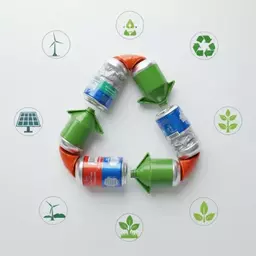
The circular economy model is revolutionizing how we think about waste and resources, especially in the context of plastic recycling here in the UAE. Instead of the traditional linear model, where we take, make, and dispose of products, the circular economy emphasizes reuse, recycling, and waste minimization. This approach not only helps in reducing waste but also promotes sustainable resource management, allowing materials to be kept in circulation for as long as possible. The UAE is actively pursuing this model, as detailed in its official circular economy initiatives.
At EcoScrap UAE, we believe that by adopting circular economy principles, individuals and businesses can significantly reduce their environmental impact. It’s about changing our mindset to view waste as a resource. This shift can lead to innovative solutions and opportunities that benefit both our communities and the planet.
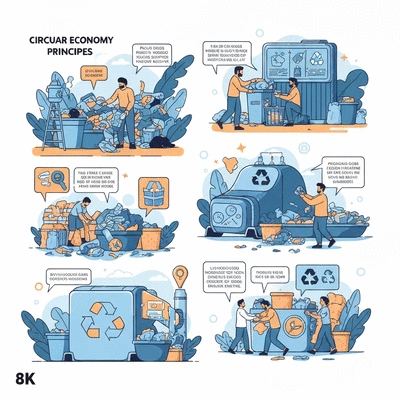
Understanding the Circular Economy Principles
The core principles of the circular economy include:
- Reuse: Finding new uses for products instead of discarding them.
- Recycling: Converting waste materials into new products, thus conserving resources.
- Waste Minimization: Reducing the amount of waste generated in the first place.
By focusing on these principles, we can foster a more sustainable future. Each principle plays a crucial role in the lifecycle of plastic products, ensuring that they do not simply end up in landfills but instead are reintegrated into the production cycle.
Impacts of the UAE's 2026 Plastics Ban on Recycling Initiatives
In an effort to combat plastic pollution, the UAE has announced a 2026 plastics ban that aims to significantly reduce single-use plastics. This ban is set to transform plastic waste management by pushing businesses and consumers to seek alternative materials and solutions. As an advocate for sustainable practices, I see this as a great opportunity for companies like EcoScrap UAE to step up and support the transition.
The implications of this ban are profound—it will not only drive innovation in recycling technologies but also motivate communities to engage in more responsible waste disposal practices. As we adapt to these changes, it’s crucial to understand how they will shape our recycling initiatives and overall sustainability goals.
Key Policies and Strategies Driving Circular Economy in the UAE
Exploring the UAE Circular Economy Policy 2031
The Circular Economy Policy 2031 is a strategic framework that outlines the UAE’s commitment to sustainability and waste management. One of its ambitious goals is to achieve a 75% waste diversion rate by 2030. This policy aims to encourage businesses and individuals to participate in recycling and waste reduction efforts, as highlighted in the official UAE Circular Economy Policy.
As we move forward, it’s essential for all sectors to align with this policy and contribute toward achieving these targets. At EcoScrap UAE, we are excited to be part of this journey and actively support initiatives that promote recycling and responsible waste management.
Extended Producer Responsibility (EPR) Implementation in the UAE
Extended Producer Responsibility (EPR) schemes are becoming increasingly important in the UAE as they hold manufacturers accountable for the lifecycle of their products. Under EPR, producers must manage the disposal and recycling of products after consumers are done with them. This not only incentivizes companies to design products with recyclability in mind but also encourages them to invest in recycling solutions. The Ministry of Climate Change and Environment provides further details on these frameworks.
As we see more EPR schemes being phased in, it’s clear that they play a vital role in shaping a sustainable waste management system. By working closely with producers, we can create a circular economy that benefits everyone.
Government Regulations Influencing Plastic Waste Management
Several government regulations are currently in place to support the transition to a circular economy in the UAE. These regulations include strict guidelines on plastic usage, incentives for businesses adopting sustainable practices, and penalties for non-compliance. By fostering a regulatory environment that prioritizes sustainability, the government is paving the way for effective plastic waste management.
As an owner of EcoScrap UAE, I recognize the importance of these regulations in motivating both businesses and consumers to make more environmentally conscious choices. Together, we can create a resilient recycling ecosystem that benefits our communities and the environment.
We Want to Hear From You!
As we dive deeper into the circular economy model and its impact on plastic recycling in the UAE, we want to know your thoughts! How do you currently engage with recycling in your daily life? Share your experiences and ideas below:
Frequently Asked Questions (FAQs)
- What is the circular economy model?
- The circular economy model is an alternative to the traditional linear economy (take, make, dispose) that emphasizes the reuse, recycling, and minimization of waste to keep resources in circulation for as long as possible.
- When will the UAE's plastics ban take effect and what is its goal?
- The UAE's plastics ban is set for 2026 and aims to significantly reduce the use of single-use plastics, driving innovation in recycling and promoting alternative materials.
- What is the UAE Circular Economy Policy 2031?
- This policy is a strategic framework by the UAE government that outlines its commitment to sustainability and waste management, with a goal to achieve a 75% waste diversion rate by 2030.
- How does Extended Producer Responsibility (EPR) work in the UAE?
- EPR schemes hold manufacturers accountable for the entire lifecycle of their products, including their disposal and recycling after consumer use, encouraging sustainable product design and investment in recycling solutions.
- How can businesses contribute to a circular economy in the UAE?
- Businesses can contribute by conducting material audits to identify recyclable waste, partnering with recycling companies, innovating packaging to reduce plastic, and engaging employees in sustainability initiatives.
Future Projections: The Road Ahead for Plastic Recycling in the UAE
As we look toward the future of plastic recycling in the UAE, it's exciting to think about the potential transformations that lie ahead. With the circular economy model gaining momentum, we can expect significant advancements in recycling practices and sustainability efforts. The initiatives set forth by the government and businesses alike will shape a landscape where waste is minimized and resources are reused.
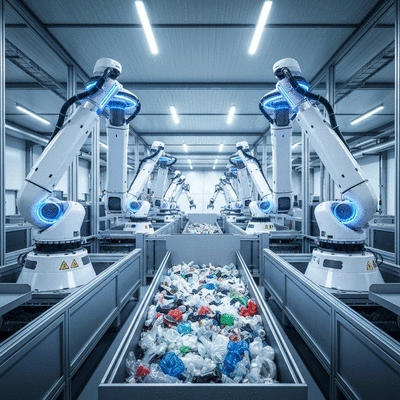
By 2031 and beyond, I envision a UAE where innovative recycling technologies are commonplace, making it easier for individuals and businesses to engage in recycling. Imagine a world where every plastic item is not only recyclable but also repurposed into something new and valuable! This journey requires collective effort and a commitment to embracing sustainable practices.
- Increased investment in recycling technology
- Development of community recycling programs
- Enhanced public awareness campaigns about recycling
- Stricter regulations promoting sustainable packaging
With these developments, we can create an environment that supports sustainable practices. The key will be fostering collaboration between all stakeholders—from government agencies to private businesses like EcoScrap UAE—to ensure a cleaner, greener future for the UAE.
Taking Action: How Businesses Can Contribute to a Circular Economy
For businesses looking to make a positive impact on the environment, adopting circular economy principles is not just a trend; it’s a necessity! At EcoScrap UAE, we believe that every organization can play a role in promoting sustainability through responsible practices. Here are some actionable steps that businesses can take:
- Conduct a material audit to assess waste generation and identify recyclable materials.
- Partner with recycling companies like EcoScrap UAE to ensure proper waste disposal.
- Innovate packaging solutions that reduce plastic use and enhance recyclability.
- Engage employees in sustainability initiatives through training and educational programs.
By implementing these strategies, businesses not only contribute to a healthier planet but can also realize cost savings and foster a positive brand image. Each small action counts, and together, we can shift towards a more sustainable model that benefits everyone.
Conclusion: Embracing Circular Economy for a Sustainable Future
In conclusion, transitioning to a circular economy model for effective plastic recycling is crucial for the future of the UAE. As we embrace these practices, we pave the way for a sustainable future—one where waste is minimized, resources are reused, and communities thrive. It’s an exciting journey that I invite you to join! Let's take action together, because a cleaner planet starts with us.
Recap of Key Points
Here is a quick recap of the important points discussed in the article:
- The circular economy model focuses on reuse, recycling, and waste minimization to reduce environmental impact.
- The UAE's 2026 plastics ban aims to eliminate single-use plastics, driving innovation in recycling practices.
- The Circular Economy Policy 2031 targets a 75% waste diversion rate by 2030, promoting participation in recycling efforts.
- Extended Producer Responsibility (EPR) holds manufacturers accountable for product lifecycle, encouraging sustainable design.
- Businesses can contribute by conducting material audits, partnering with recycling companies, and engaging employees in sustainability initiatives.