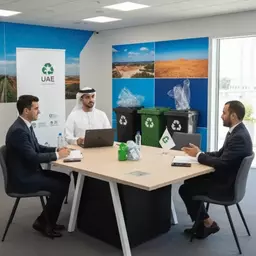
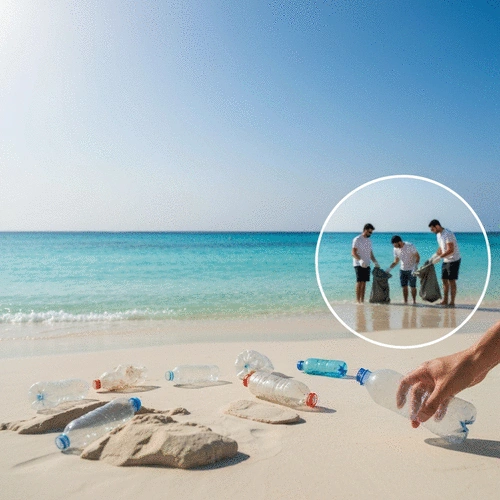
Did you know that each person in the UAE generates about 1.5 kilograms of plastic waste daily? This statistic highlights the urgency of addressing plastic pollution in our environment.
What You Will Learn
- The UAE produces approximately 3.5 million tons of plastic waste each year, with only about 10% being recycled.
- Plastic pollution poses severe threats to marine life, with species like turtles and seabirds suffering from ingestion of plastic debris.
- Microplastics, which can accumulate in the food chain, represent significant potential health risks to both wildlife and humans.
- Government initiatives, such as the ban on single-use plastics, aim to reduce consumption and promote sustainable alternatives.
- Innovative recycling solutions, including plastic-to-fuel technology, are emerging to combat plastic waste and promote a circular economy.
- Community engagement and public awareness campaigns play a crucial role in fostering sustainable practices and recycling behaviors among individuals.
- The upcoming 2026 plastic ban presents an opportunity to significantly reduce plastic waste in the UAE.
UAE Plastic Pollution at a Glance: Key Statistics & Impacts
Understanding the scale of plastic waste and its consequences in the UAE is crucial for driving change. Below are key figures highlighting the current situation and its environmental impact.
Per Capita Plastic Footprint
1.5 kg / person / day
Estimated plastic waste generated by each resident daily, accumulating to millions of tons annually.
Annual Plastic Waste Production
3.5 Million Tons
The total plastic waste generated across the UAE each year.
Unrecycled Plastic Waste
>80%
The vast majority of plastic waste is not recycled, posing a significant environmental challenge.
Impact on Marine Life
- Turtles: Ingestion leads to blockages & malnutrition.
- Seabirds: Microplastic consumption impacts reproductive success.
- Dugongs: Habitat degradation from plastic pollution.
Plastic debris mistaken for food causes serious health issues and death among marine species.
The Impact of Plastic Pollution on the Environment in the UAE
Plastic pollution is a pressing issue that affects not just the UAE, but the entire planet. In our vibrant and rapidly developing country, the per capita plastic footprint is alarmingly high. It’s estimated that each person in the UAE generates around 1.5 kilograms of plastic waste per day. That adds up to millions of tons of plastic waste that often ends up in landfills or, worse, in our beautiful oceans.
Understanding the scope of this problem is crucial for everyone, especially as we work at EcoScrap UAE to promote effective recycling practices. We’re passionate about turning this trend around, but we need collective efforts to make a significant difference. Let’s dive into the specifics.
Understanding the Scope of Plastic Waste in the UAE
The statistics surrounding plastic waste generation in the UAE are alarming. In recent years, the country has faced a significant increase in plastic consumption driven by a growing population and a booming economy. Over 80% of plastic waste is not recycled, which highlights a substantial challenge we must address.
- Annual plastic waste production: The UAE produces approximately 3.5 million tons of plastic waste each year.
- Recycling rates: Only about 10% of this waste is recycled, leaving vast amounts to pollute our environment.
- Per capita plastic usage: UAE residents use an average of 100 kilograms of plastic per year.
As an advocate for sustainable waste management, I find these numbers disheartening. When we consider how much plastic is used and discarded daily, it becomes clear that we need effective strategies in place to mitigate this crisis.
Effects of Plastic Pollution on Marine Life in the Persian Gulf
Plastic pollution poses a severe threat to marine life, particularly in the rich ecosystems of the Persian Gulf. Species such as turtles, seabirds, camels, and dugongs are among those most affected. These creatures often mistake plastic debris for food, leading to serious health issues and even death.
- Turtles: Ingesting plastic can cause blockages and malnutrition.
- Seabirds: Many species consume microplastics, leading to reduced reproductive success.
- Dugongs: These gentle sea cows are at risk due to habitat degradation from plastic pollution.
As I look out at the sparkling waters of the Gulf, it’s heartbreaking to think about how our actions impact these magnificent creatures. At EcoScrap UAE, we strive to raise awareness about these issues and encourage responsible recycling practices.
The Microplastics Crisis: Implications for Food Safety
Microplastics are tiny plastic particles that have entered our environment, and they have serious implications for food safety. These particles can be found in various food items, including seafood, and pose potential health risks to both wildlife and humans. Research indicates that microplastics can accumulate in the human body, leading to unknown long-term effects.
- Food chain contamination: Microplastics can easily permeate the food chain, starting from small fish to larger predators.
- Health risks: Potential risks include hormonal disruption and toxicity.
- Environmental impact: The pervasive presence of microplastics can lead to biodiversity loss.
Recognizing the danger of microplastics highlights why initiatives focused on reducing plastic waste are essential. It’s a conversation I frequently have with my team at EcoScrap UAE as we explore ways to educate the public on this critical issue.
The Role of Environmental Regulations in Tackling Plastic Pollution
Environmental regulations play a vital role in managing plastic waste and reducing its impact. In the UAE, both local and international regulations are shaping the landscape of plastic waste management. These regulations often set guidelines for recycling practices and mandates for reducing plastic usage. For example, Dubai has recently introduced Law No. (18) of 2024 Regulating Waste Management, providing a comprehensive framework for waste management.
- Regulatory frameworks: Laws are being introduced to curb plastic production and increase recycling.
- International agreements: The UAE is part of global initiatives that focus on reducing plastic pollution.
- Impact on industries: Businesses are adapting to comply with these regulations, which is a step in the right direction.
As an environmental advocate, I see the importance of these regulations in shaping a sustainable future. They empower us at EcoScrap UAE to engage with businesses and communities to foster a culture of responsible waste management.
Government Policies and Initiatives to Combat Plastic Pollution
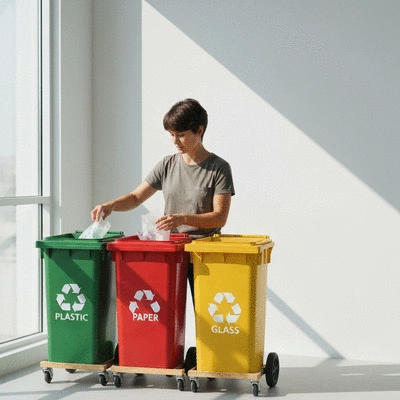
In recent years, the UAE government has taken significant steps to combat plastic pollution, including the ban on single-use plastics. This initiative aims to reduce plastic consumption and promote sustainable alternatives. The timeline for phased implementation is set to culminate in a nationwide ban planned for 2026. The Single-Use Plastic Policy outlines these efforts.
- Single-use plastic ban: Plans to phase out single-use plastics have been officially announced.
- Awareness campaigns: The government is actively promoting public awareness about the importance of reducing plastic use.
- Support for alternatives: Incentives for businesses to adopt eco-friendly packaging solutions are being explored.
These government policies resonate with my mission at EcoScrap UAE to reduce plastic waste. It’s encouraging to see action being taken, but we must also focus on community involvement and education to amplify these efforts.
Innovative Recycling Solutions and Technologies in the UAE
The UAE is witnessing exciting advancements in recycling infrastructure and waste-to-materials technologies. These innovations aim to reduce plastic waste significantly while promoting a circular economy.
- Plastic-to-fuel technology: New processes are being developed to convert plastic waste into usable fuel.
- Enhanced recycling facilities: Investments in modern recycling plants are increasing the capacity to handle plastic waste.
- Collaboration with tech companies: Partnerships are being formed to harness cutting-edge technology for better waste management.
At EcoScrap UAE, we are excited about these developments. They align with our commitment to sustainability and responsible waste management, and we will continue to champion these technologies in our community.
Community Engagement and Public Awareness in Plastic Waste Reduction
Community engagement is crucial in rallying support for plastic waste reduction. Public awareness campaigns can substantially influence consumer behavior and inspire individuals to adopt eco-conscious habits.
- Local recycling initiatives: Neighborhood recycling programs encourage residents to participate actively.
- School programs: Educational outreach in schools fosters environmental stewardship among young people.
- Social media campaigns: Leveraging platforms to spread awareness about the dangers of plastic pollution.
As I engage with the community through my work at EcoScrap UAE, I see first-hand the positive impact these efforts can have. Together, we can turn the tide on plastic pollution and foster a culture of sustainability.
Case Study: Sharjah Seabird Study and Its Findings
The Sharjah seabird study is a landmark research initiative that highlights the impact of plastic pollution on marine birds in the region. This first-of-its-kind study in the Middle East provides critical insights into the challenges seabirds face due to plastic waste.
- Findings: The study revealed a significant correlation between plastic ingestion and decreased bird populations.
- Importance: It underscores the need for urgent action to protect marine life and habitats.
- Future research: The study sets a precedent for further research on the effects of environmental pollution.
As I reflect on this research, it reinforces my belief that we must act swiftly to address plastic pollution. At EcoScrap UAE, we use such studies to guide our advocacy efforts and drive change in our practices.
Economic Opportunities: The Circular Economy Approach
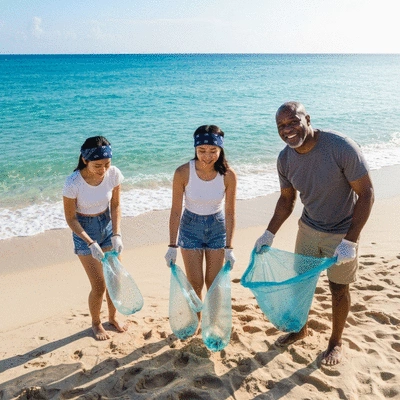
Addressing plastic pollution can unlock new economic opportunities through the framework of a circular economy. This approach minimizes waste and recovers materials to create a more sustainable system.
- Job creation: The recycling and waste management sector can provide numerous job opportunities.
- Innovation: Businesses can innovate to create sustainable products that meet consumer demand.
- Resource recovery: Extracting value from waste materials leads to a more resilient economy.
As I continue my journey with EcoScrap UAE, I am optimistic about the potential for economic growth in sustainable practices. By investing in our planet, we are investing in our future.
Pro Tip
Did you know? Implementing a habit of rinsing and properly sorting your recyclables can significantly enhance the recycling process. Just a few moments of your time can ensure that materials are clean and ready for transformation, reducing contamination and increasing the efficiency of recycling facilities. Every little effort counts in the fight against plastic pollution!
Looking Ahead: The Future of Plastic Pollution Management in the UAE
As we look toward the future, the 2026 plastic ban marks a pivotal moment for waste management in the UAE. It’s essential to assess how effective this ban will be in reducing plastic waste and improving our recycling efforts. To do this, we need to identify key metrics that can help us evaluate its success.
We might consider factors such as the volume of plastic waste generated, the rates of recycling participation, and the overall impact on marine and terrestrial ecosystems. By focusing on these areas, we can determine whether this ambitious initiative will lead to a cleaner environment for generations to come!
Assessing the Effectiveness of the 2026 Plastic Ban
Measuring success will be critical in understanding the implications of the plastic ban. Here are some of the metrics we might use:
- Reduction in plastic waste generated
- Increased rates of recycling participation
- Improvement in local wildlife health indicators
- Community engagement levels in sustainability practices
Tracking these metrics will provide valuable insights into the effectiveness of our policies and help us adjust strategies as needed. At EcoScrap UAE, we are committed to supporting these efforts by offering reliable recycling solutions that align with these goals.
Exploring Eco-friendly Alternatives to Conventional Plastics
In addition to the upcoming plastic ban, there’s a growing interest in eco-friendly alternatives that can replace traditional plastics. Biodegradable materials are gaining traction as viable options, and here are some popular alternatives:
- Plant-based plastics
- Compostable packaging
- Reusable shopping bags
- Glass and metal containers
These alternatives not only help reduce plastic pollution but also contribute to a more sustainable economy. As an advocate for responsible waste management, I urge everyone to consider these options when making purchasing decisions!
Engaging the Community: Awareness Campaigns and Consumer Behavior
Community engagement is vital in the fight against plastic pollution. Public awareness initiatives can significantly change consumer behavior towards plastic use and recycling practices. Effective campaigns can:
- Educate individuals on the importance of recycling
- Encourage sustainable practices at home and work
- Promote local recycling programs and events
- Foster a culture of environmental stewardship
At EcoScrap UAE, we are actively involved in community outreach programs that promote responsible disposal and recycling of materials. Together, we can inspire others to join us on this journey toward a cleaner planet!
Frequently Asked Questions about Plastic Pollution and Recycling in the UAE
It's common for people to have questions about plastic pollution and recycling. Here are a few frequently asked questions we encounter:
- What is the per capita plastic waste generated in the UAE? Each person in the UAE generates approximately 1.5 kilograms of plastic waste daily.
- How much plastic waste does the UAE produce annually, and how much is recycled? The UAE produces around 3.5 million tons of plastic waste each year, with only about 10% being recycled.
- What are microplastics, and why are they a concern? Microplastics are tiny plastic particles that contaminate the environment and food chain, posing potential health risks to wildlife and humans.
- What government initiatives are in place to combat plastic pollution in the UAE? The UAE government is implementing a ban on single-use plastics, with a nationwide ban planned for 2026, and promoting awareness campaigns.
- How can individuals contribute to reducing plastic pollution? Individuals can participate in local recycling programs, choose eco-friendly products, educate others, and support sustainable businesses.
Being informed is the first step towards making a positive change. If you have more questions, feel free to reach out to us at EcoScrap UAE!
Collaboration Between Government and NGOs for Pollution Mitigation
Addressing plastic pollution effectively requires collaboration between various stakeholders. Public-private partnerships and NGO initiatives play a crucial role in reducing plastic waste and promoting sustainability. These collaborations can:
- Facilitate knowledge sharing and resource pooling
- Develop innovative recycling technologies
- Implement community-based environmental programs
- Enhance policy development for better waste management
As an environmental advocate, I believe that together we can amplify our efforts to create a more sustainable future for the UAE!
Call to Action: How You Can Contribute to Reducing Plastic Pollution
Every action counts when it comes to reducing plastic pollution! Here are some ways you can contribute:
- Participate in local recycling programs
- Choose eco-friendly products whenever possible
- Educate friends and family about the importance of recycling
- Support businesses that prioritize sustainability, like EcoScrap UAE
Let’s work together to make a difference! Your involvement matters, and together we can foster a cleaner, greener environment for all!
Recap of Key Points
Here is a quick recap of the important points discussed in the article:
- High Plastic Footprint: UAE residents generate around 1.5 kilograms of plastic waste per day, leading to millions of tons of plastic waste annually.
- Limited Recycling: Over 80% of plastic waste is not recycled, with only about 10% being processed properly.
- Impact on Marine Life: Plastic pollution severely affects marine species in the Persian Gulf, causing health issues and habitat degradation.
- Microplastics Concern: Microplastics can contaminate the food chain and pose potential health risks to humans and wildlife.
- Government Initiatives: The UAE government is implementing a ban on single-use plastics and promoting awareness campaigns to reduce plastic consumption.
- Community Engagement: Local initiatives and educational outreach are crucial for fostering a culture of sustainability and responsible waste management.
- Future Outlook: The upcoming 2026 plastic ban presents an opportunity to assess the effectiveness of policies aimed at reducing plastic waste.